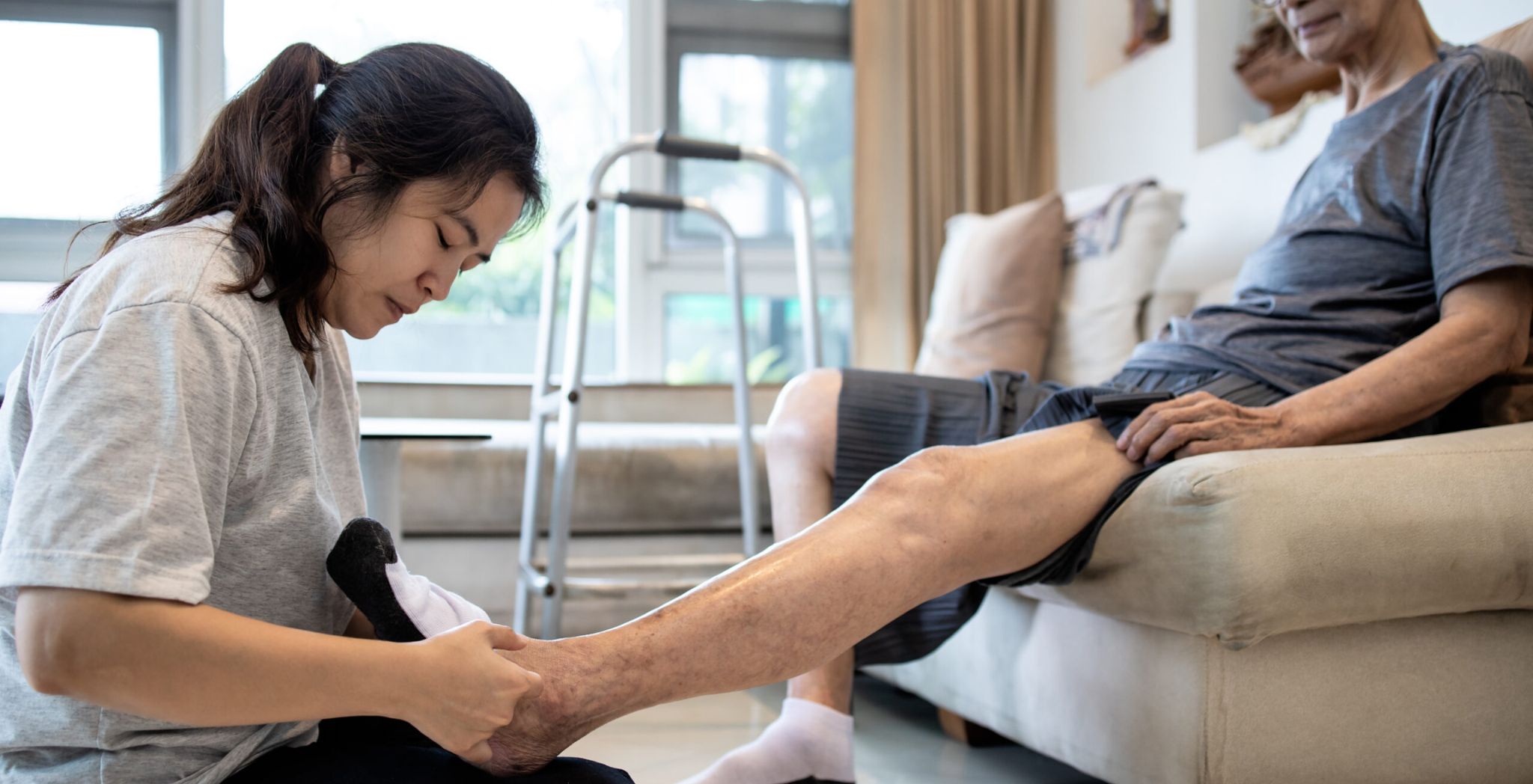

For many people living in the Beehive State, an active lifestyle isn’t just a hobby it’s a way of life. Whether you are hiking the steep trails of Wasatch Front, skiing down the Greatest Snow on Earth, or simply keeping up with grandkids in the backyard, your joints are the engine behind every move you make. However, when joint pain, stiffness, or persistent inflammation sets in, those mountain vistas can feel a lot further away.
In recent years, a shift has occurred in how we approach joint health. Rather than jumping straight to invasive surgeries or relying indefinitely on pain medications, many residents are looking toward stem cell therapy for joints. As a cornerstone of regenerative joint treatment, this approach focuses on supporting the body’s own internal repair mechanisms.
While Utah stem cell therapy has become a popular non-surgical joint pain treatment, it is important to understand that it isn’t a “magic wand.” Results vary based on your age, lifestyle, and the specific condition of your joints. However, for those seeking joint pain relief and a path back to movement, this regenerative option offers a fascinating glimpse into the future of orthopedic care.
What Is Stem Cell Therapy for Joints?

Stem cell therapy for joints is a form of regenerative medicine that uses the body’s master cells to repair damaged tissues and reduce chronic inflammation. Unlike other cells, stem cells can transform into different tissue types and signal the body to initiate healing. In joints, this helps reduce inflammation, slow cartilage breakdown, and promote a healthier joint environment, improving mobility and function.
By stimulating the body’s natural repair mechanisms, stem cell therapy not only relieves pain but also supports long-term tissue regeneration. It offers a sustainable solution for joint issues like arthritis, helping to slow degeneration and restore joint health.
How Stem Cell Therapy for Joints Works
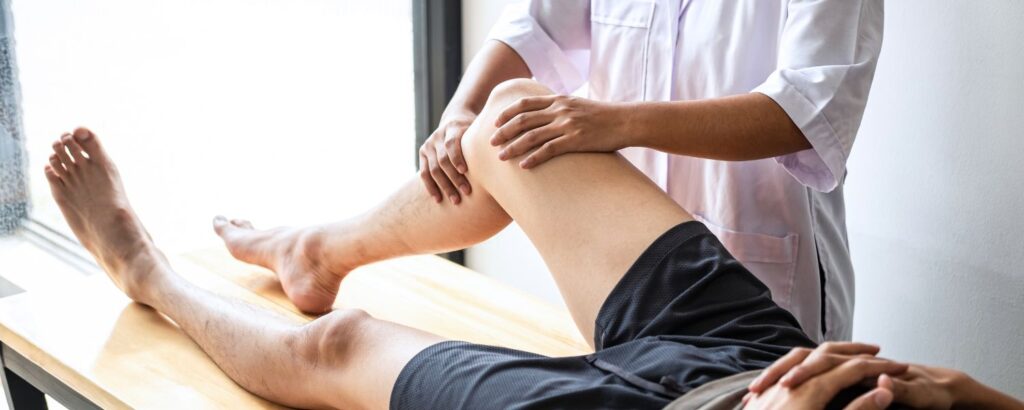
Understanding the stem cell therapy process helps take the mystery out of the treatment. It’s not about growing a new joint overnight, but about promoting healing in harmony with your biology.
Stem cell therapy supports tissue regeneration and reduces inflammation, while PRP therapy enhances healing by using the body’s own platelets. Together, these therapies work synergistically to reduce pain, improve joint health, and support long-term recovery.
The Evaluation: A provider typically starts by reviewing your symptoms and medical history. They will likely look at imaging, such as X-rays or MRIs, to see the extent of the joint wear.
The Source: In most clinical settings, stem cells are harvested from the patient’s own body (often from bone marrow or adipose tissue) or sourced from regulated, ethically donated tissues.
The Application: Once the cells are concentrated, they are injected precisely into the affected joint.
The Response: Once inside, these cells act as biological managers. In the world of regenerative joint therapy, these cells release signaling proteins cytokines that may help reduce inflammation and encourage the body’s natural repair cells to get to work.
Conditions Stem Cell Therapy May Help With

One of the reasons joint pain treatment involving stem cells has gained so much traction is its versatility. It isn’t just for one specific injury; it is being used to address a wide range of musculoskeletal issues:
- Stem cell therapy for knee pain: This is perhaps the most common application. Whether it’s runner’s knee or chronic wear from years of hiking, the knee is a prime candidate for regenerative care.
- Stem cell therapy for arthritis: While it cannot cure arthritis, it may help manage the chronic inflammation and discomfort associated with osteoarthritis.
- Stem cell therapy for shoulder pain: Rotator cuff tears or general shoulder instability can benefit from the regenerative support of stem cell injections.
- Stem cell therapy for hip pain: Labral tears or early-stage hip degeneration often respond well to non-surgical interventions.
- Cartilage Wear and Sports Injuries: From ligament strains to thinning cartilage, stem cells provide an alternative for those not yet ready for a total joint replacement.
Benefits of Stem Cell Therapy for Joints

Why are patients moving away from traditional maintenance and toward regenerative therapy benefits? Here are a few key reasons:
1. Improved Mobility
The ultimate goal of any joint pain relief program is to get you moving again. By potentially reducing inflammation, patients often find they can walk, climb, and cycle with less grinding sensation and better range of motion.
2. A Non-Surgical Path
Surgery involves anesthesia, incisions, and often a very long, painful recovery. Non-surgical joint treatment like stem cell therapy is minimally invasive, usually performed in an office setting, and involves significantly less downtime.
3. Natural Recovery Support
Unlike synthetic drugs or steroid shots which can sometimes weaken tendons over time stem cell therapy utilizes biological materials to support the body’s own innate healing ability.
What to Expect During Stem Cell Therapy

If you decide to move forward, the process is generally straightforward, but it helps to know the roadmap.
The Consultation and Evaluation
Everything starts with a stem cell therapy consultation. This isn’t a one size fits all deal. Your provider will perform a thorough joint evaluation to ensure you are a good candidate. If a joint is bone-on-bone with zero cartilage left, they might be honest with you that surgery is a better route.
The Procedure
The actual stem cell therapy procedure usually takes about an hour or two. The joint injection treatment is often performed using ultrasound or fluoroscopy (X-ray) guidance to ensure the cells are placed exactly where the damage is located.
Stem Cell Therapy Recovery
Recovery is much faster than surgery. You might experience some mild soreness or temporary swelling at the injection site for a few days this is actually a good sign, as it means the body’s inflammatory healing response has been triggered. Most patients are encouraged to take it easy for a week before gradually returning to their normal activities.
Conclusion
The landscape of orthopedic care is changing, and Utah is at the forefront of this evolution. Stem cell therapy for joints offers a promising, non-surgical joint pain treatment for those struggling with knee pain, shoulder pain, hip pain, or the daily grind of arthritis-related discomfort.
By focusing on the body’s natural ability to repair itself, this therapy provides a bridge to a more active, less painful life. However, it is essential to remember that every body is different. Success depends on a variety of factors, and the first step should always be a conversation with a specialist.
Frequently Asked Questions
Q1: Can stem cells help with joint pain?
Yes, many patients report significant joint pain relief. By targeting the underlying inflammation and supporting tissue health, stem cells can help dampen the pain signals that come from a damaged joint.
Q2: Which is better, PRP or stem cell therapy?
Platelet-Rich Plasma (PRP) uses your own blood platelets to trigger healing. While effective for minor strains, stem cell therapy is often considered a stronger version of regenerative medicine, typically used for more significant degeneration or chronic conditions. Sometimes, they are used together for a synergistic effect.
Q3: How long does stem cell therapy take to work for joints?
Regenerative medicine is not an instant fix. It usually takes time for the cells to influence the joint environment. Most patients begin to notice a difference within 4 to 6 weeks, with continued improvement for up to 6 months.
Q4: Is stem cell therapy for joints safe?
When performed by a qualified professional using proper protocols, it is generally considered very safe. Because the treatment often uses the patient’s own cells, the risk of rejection is virtually zero.
Q5: How long do stem cell therapy results last for joints?
Results vary, but many patients enjoy benefits for several years. Longevity depends on the severity of the initial condition and how well the patient maintains their joint health through diet, exercise, and physical therapy.