
What Is Regenerative Medicine? Chronic pain and inflammation affect millions of people, limiting daily activities and overall well-being. Whether it is a lingering sports injury, the grinding discomfort of arthritis, or the fatigue of fibromyalgia, traditional treatments often only mask the symptoms.
Regenerative medicine offers a revolutionary solution by using the body’s natural healing processes to repair damaged tissues, organs, and cells at their source.
Instead of simply managing pain, this innovative field involves therapies such as stem cell therapy, PRP therapy, and tissue regeneration to promote genuine biological healing.
In this blog, we’ll explain what is regenerative medicine, how it works, and how it can help treat chronic pain and inflammation.
We’ll also cover specific treatments like stem cell injections and PRP, comparing them to traditional pain management methods.
Discover how these therapies can provide long-term relief, restore function, and help you return to the activities you love.
What is Regenerative Medicine?

Regenerative medicine is a multidisciplinary field of medicine that seeks to find ways to “reboot” the body’s ability to heal itself. For decades, the standard medical approach to damaged tissue or failing organs was to either replace them (transplants), manage the symptoms (medication), or structurally alter them (surgery). Regenerative medicine changes this paradigm by focusing on the repair, replacement, and regeneration of human cells, tissues, or organs to restore normal function.
A Modern Definition
Regenerative medicine is a branch of translational research in tissue engineering and molecular biology which deals with the “process of replacing, engineering or regenerating human cells, tissues or organs to restore or establish normal function.” It utilizes a combination of stem cell therapy, bioengineering, and cellular therapies to stimulate the body’s internal repair system.
Key Benefits and Use Cases
One of the most significant roles of this field is providing regenerative medicine for arthritis. While traditional treatments focus on anti-inflammatory drugs that can be hard on the stomach or liver, regenerative techniques aim to regrow worn-down cartilage. Beyond joint health, it is highly effective for:
- Muscle and Tendon Injuries: Faster recovery for tears and strains.
- Chronic Diseases: Potential treatments for cardiovascular issues and neurological disorders.
- Wound Healing: Accelerating the closure of non-healing wounds.
How It Works (The Cellular Level)
The magic of tissue regeneration happens because our bodies are naturally programmed to heal. When you get a cut, your blood clots and new skin grows. Cellular therapies in regenerative medicine harness this exact biological instinct but amplifies it. By concentrating specific “signaling” cells or growth factors and delivering them directly to a site of injury, we can jumpstart healing through stem cells in areas where the body might have otherwise given up on the repair process.
How Does Regenerative Medicine Work?
Understanding how does regenerative medicine work requires a look at the “ingredients” of healing. The body uses a complex communication network of cells to signal when something is wrong and what needs to be fixed.
The Mechanisms: Stem Cells, PRP, and Gene Therapy
- Stem Cell Therapy: Stem cells are the body’s “raw materials.” They are undifferentiated cells that have the unique ability to transform into specialized cells (like bone, cartilage, or muscle cells). When injected into a damaged area, they can take on the characteristics of the surrounding tissue to help it rebuild.
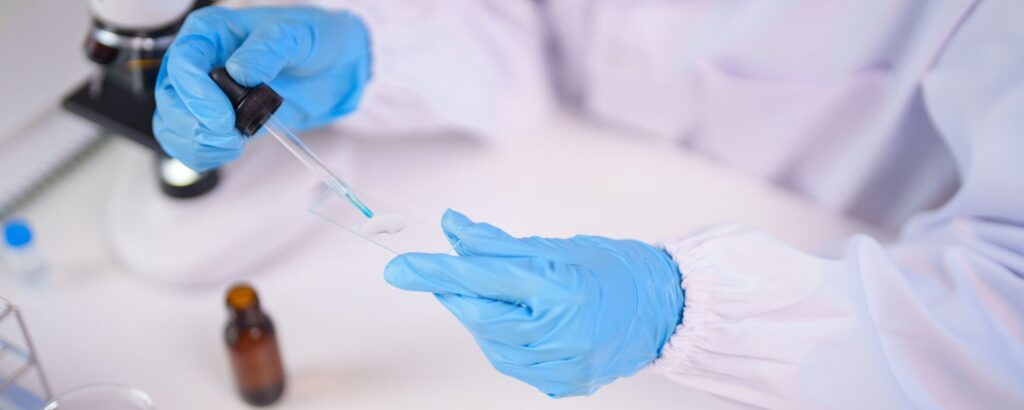
- Platelet-Rich Plasma (PRP): Your blood contains platelets that are rich in growth factors. By spinning a patient’s blood in a centrifuge, doctors can isolate a high concentration of these platelets. This “liquid gold” is then injected into the injury site to flood the area with the signals needed to trigger repair.
- Gene Therapy: This involves modifying or replacing faulty genes. By introducing healthy genetic material into cells, we can potentially cure diseases at their genetic root.
Scientific Insights and Oxygen’s Role
Scientific studies have shown that for regeneration to be successful, the environment must be “pro-healing.” This means reducing localized inflammation so that the new cells can survive. Oxygen and growth factors are essential in this stage. Increased blood flow to the area often stimulated by these therapies ensures that the metabolic waste of the injury is cleared out while the building blocks of new tissue are brought in.
Therapeutic Effects: Breaking the Cycle of Pain
The most profound effect of these treatments is the reduction of chronic pain and inflammation. Traditional pain management often involves steroids, which can actually weaken tendons and ligaments over time. In contrast, regenerative treatments promote faster recovery by strengthening the structural integrity of the body, providing a permanent or long-lasting solution rather than a temporary chemical block.
Examples of Regenerative Medicine
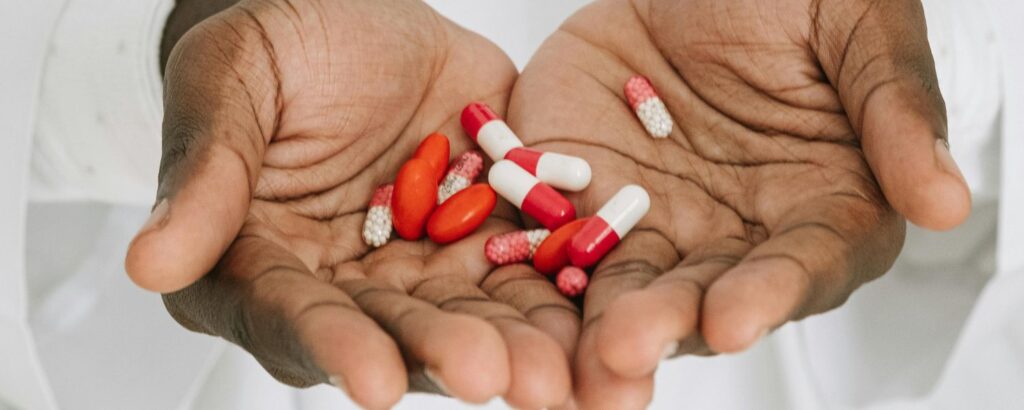
To see the impact of this field, we have to look at the practical examples of regenerative medicine currently changing lives in clinics today.
Stem Cell Injections
Stem cell injections are perhaps the most well-known application. They are frequently used for patients who are “bone on bone” in their knees or hips. By harvesting cells from the patient’s own bone marrow or adipose (fat) tissue, clinicians can provide a concentrated dose of repair cells that help mitigate the effects of regenerative medicine for arthritis.
PRP Injections
PRP Injections has become a go-to treatment in regenerative medicine for repairing soft tissues like tendons and ligaments. It works by using the patient’s own blood to stimulate tissue regeneration and accelerate healing. Since PRP utilizes the body’s natural healing factors, the risk of allergic reactions or rejection is virtually eliminated, making it a safe and effective option for regenerative treatments.
Tissue Engineering and Organ Transplants
Beyond injections, tissue engineering involves growing “scaffolds” in a lab. For instance, scientists can now grow skin for burn victims or even engineered bladders. The future of this field points toward growing entire organs, which would eventually eliminate the long waiting lists for organ donors.
Real-world Applications
Consider a patient with a chronic rotator cuff tear who faces a six-month recovery from surgery. With regenerative treatments, many patients report significant functional improvement and pain reduction within weeks, often avoiding the scalpel entirely.
Benefits of Regenerative Medicine for Chronic Pain and Inflammation

The benefits of regenerative medicine extend far beyond the physiological repair; they impact the patient’s entire lifestyle.
Advanced Pain Management
For those suffering from fibromyalgia or chronic back pain, the traditional path is often a cycle of opioids or heavy painkillers. Regenerative medicine offers a path out of that cycle. By treating the underlying tissue damage, the pain signal naturally dissipates because the “emergency” in the body has been resolved.
Restoring Movement and Flexibility
Inflammation is the body’s way of protecting an area, but chronic inflammation causes stiffness and further damage. Regenerative therapies act as a biological “reset button,” reducing swelling and allowing for a greater range of motion. This is vital for maintaining independence as we age.
Speed of Recovery
Traditional surgery often involves “robbing Peter to pay Paul” you fix a joint, but you create scar tissue and trauma in the process. Regenerative treatments are typically minimally invasive, meaning there is little to no “down time.” You aren’t just healing; you are healing faster.
Why Use Regenerative Medicine for Chronic Pain and Inflammation?

With so many options available, why should a patient choose this path?
Accessibility and Ease
What was once a “secret treatment” for the elite is now highly accessible. Clinics specializing in these therapies are popping up across the country, offering stem cell and PRP therapies as outpatient procedures. You can often have your treatment and be home in time for dinner.
Long-term Cost-Effectiveness
While the upfront cost of a regenerative injection might seem higher than a bottle of pills, the long-term math tells a different story. When you calculate the years of lost wages, the cost of physical therapy, and the high price of major surgery (plus hospital stays), regenerative medicine often emerges as the more economical choice. It is an investment in a permanent fix rather than a subscription to a temporary management plan.
Effectiveness and Quality of Life
Ultimately, the goal is effectiveness. While a steroid shot might last three months, a successful regenerative treatment can provide relief for years. It allows patients to return to gardening, playing with grandchildren, or competitive sports things that a “pain management” routine rarely achieves.
Frequently Asked Questions (FAQ)
Q1. What is the biggest problem with regenerative medicine?
The primary challenges currently include the out-of-pocket cost and the fact that insurance coverage has not yet caught up with the rapid pace of innovation. Additionally, because the field is evolving, there is a lack of standardization across all clinics, making it vital to choose a reputable provider.
Q2. What are examples of regenerative medicine?
The most common examples include stem cell therapy, PRP (Platelet-Rich Plasma), gene therapy, and tissue engineering (such as lab-grown skin or cartilage scaffolds).
Q3. Is regenerative medicine covered by insurance?
Coverage varies significantly. While some well-established treatments (like certain bone marrow transplants) are covered, many “orthobiologic” treatments like PRP are currently considered “elective” by insurance companies, though this is beginning to change as more clinical data is published.
Q4. Is regenerative medicine legitimate?
Yes. Regenerative medicine is a legitimate, evidence-based field of medical science. It is practiced by licensed physicians and backed by thousands of peer-reviewed studies. However, it is important to distinguish between FDA-compliant clinics and “unregulated” stem cell clinics.
Q5. Where should I get Regenerative Medicine in Utah, United States?
For those in Utah seeking professional, safe, and tailored treatment, Happy Valley Regeneration is the premier destination. They specialize in regenerative medicine, helping clients overcome chronic pain and repair damaged cells, tissues, and organs using cutting-edge techniques like stem cell therapy.
Conclusion
Regenerative medicine offers a promising solution for chronic pain and inflammation, focusing on healing rather than just managing symptoms. With treatments like stem cell therapy and PRP, it harnesses the body’s natural healing abilities to provide long-lasting relief and improve overall quality of life. This approach empowers individuals to take control of their recovery and regain a healthier, more active lifestyle.