Introduction
Hair loss is one of the most common problems people face today. Whether it is thinning at the crown, a receding hairline, or patchy bald spots, losing hair affects more than just your looks — it can shake your confidence and change how you feel about yourself every day.
For a long time, the only real options were medications like minoxidil, hair transplant surgeries, or expensive topical treatments that only slowed the problem down. But things are changing fast. A newer approach called stem cell hair treatment is gaining serious attention from doctors and patients around the world.
This is not a magic fix, but the science behind it is real and growing stronger. In this blog, you will learn exactly what stem cell hair treatment is, how it works, who it is best suited for, and what kind of results you can realistically expect.
What Is Stem Cell Hair Treatment?
Stem cells are special cells in your body that have the unique ability to repair, regenerate, and become different types of cells depending on what your body needs. They are essentially your body’s own repair crew.
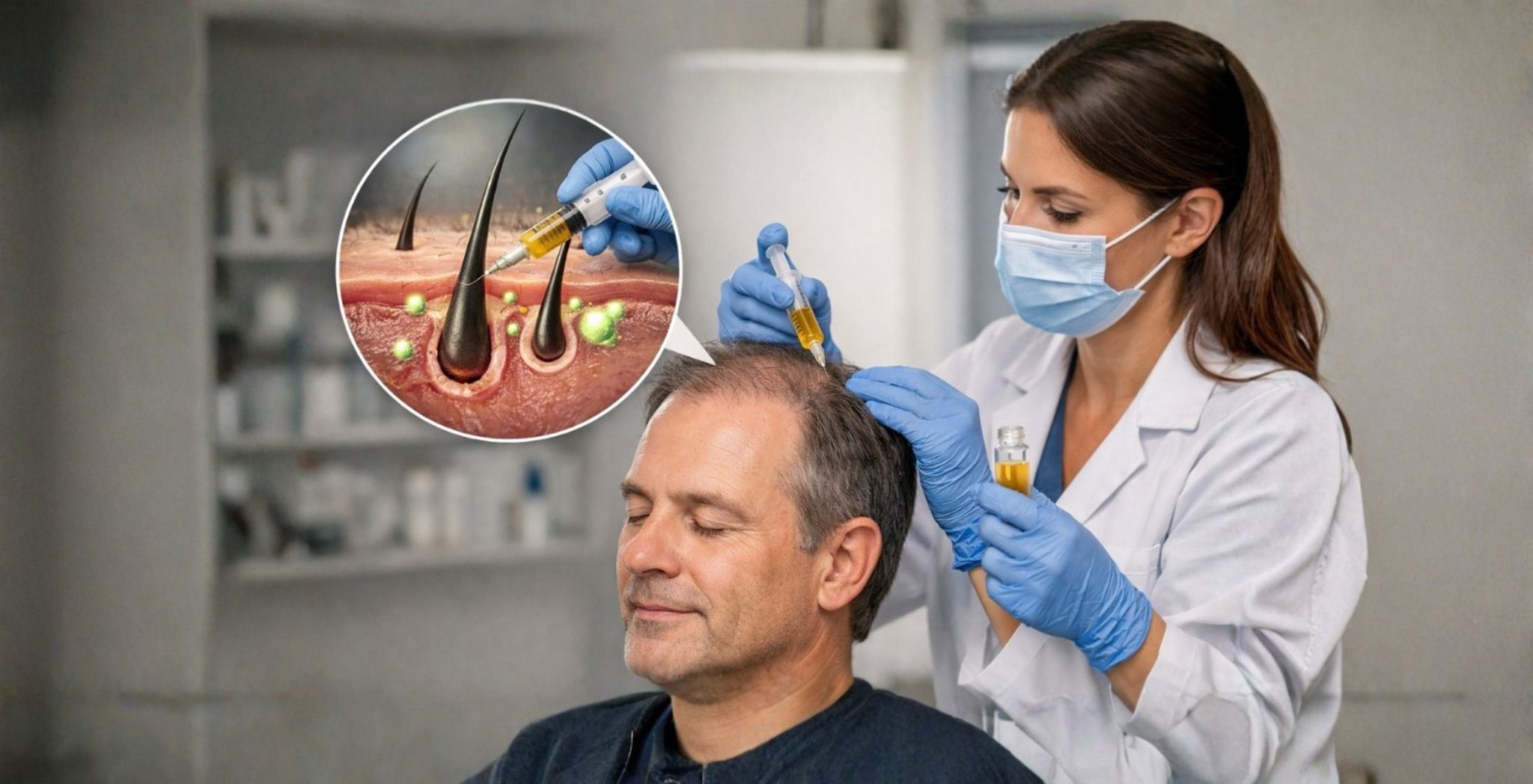
Stem cell hair treatment uses these regenerative cells to target the root cause of hair loss — damaged or dormant hair follicles. Instead of just covering up the problem or moving existing hair around like a traditional transplant, stem cell therapy tries to wake up inactive follicles or create the conditions for new ones to grow.
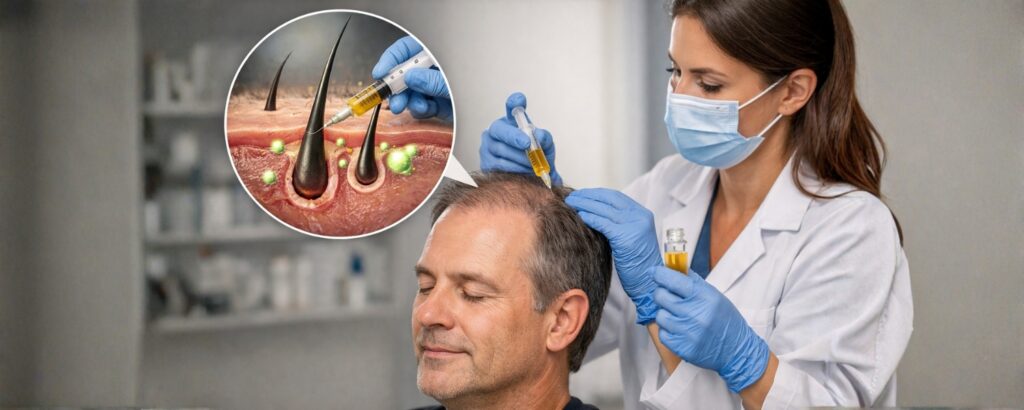
According to published medical research, stem cells can be directly injected into the scalp to stimulate the growth of new hair follicles. They can also send growth factor signals to follicles that have gone dormant, essentially encouraging them to become active again. This is what makes stem cell hair treatment fundamentally different from older approaches.
How Stem Cell Hair Treatment Works
The process of stem cell hair treatment begins at a biological level. Here is a simplified breakdown of the science:
Your hair follicles go through cycles — growing, resting, and shedding. When follicles are healthy, this cycle continues normally. But when follicles shrink due to hormones, stress, age, or genetics, they stop producing healthy hair.
A key hormone called DHT (dihydrotestosterone) is often responsible for this shrinkage in people with pattern baldness. DHT binds to follicles and triggers a process called miniaturization, where the follicle gets smaller and smaller until it stops working.
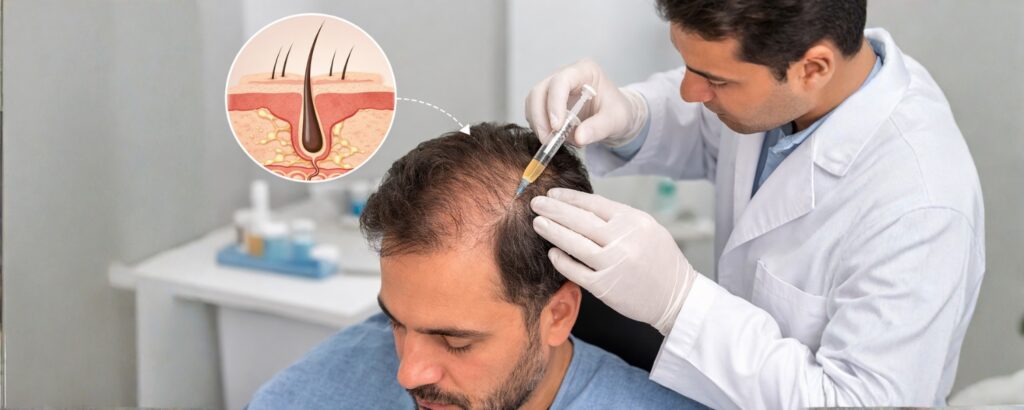
Stem cells work by introducing regenerative signals into this damaged environment. They can influence growth factors, restart dormant follicle stem cells in an area called the “bulge” (located near the base of each hair follicle), and encourage the production of proteins that support healthy hair growth.
The cells used in treatment are typically harvested from the patient’s own body — often from fat tissue through a small liposuction procedure — or from other clinical sources. Once processed, these cells are injected into the areas of the scalp experiencing hair loss.
Benefits of Stem Cell Hair Treatment
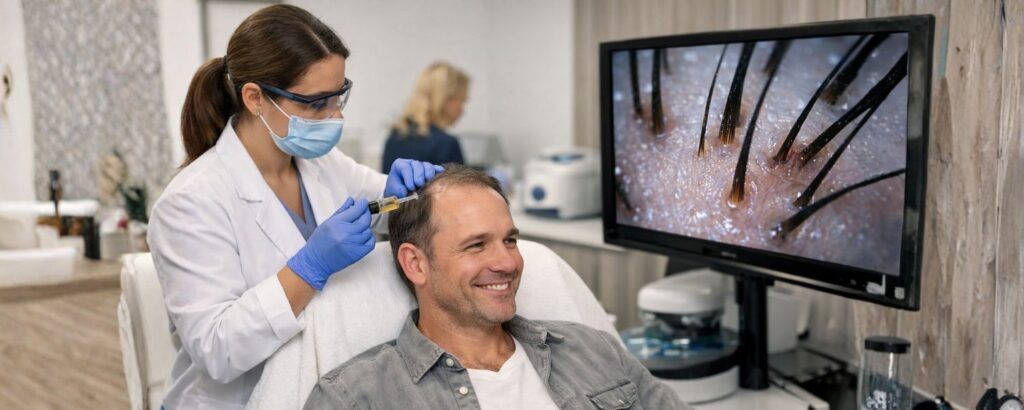
There are several reasons why people are choosing stem cell hair treatment over traditional options:
Natural and long-lasting results. Because the treatment works with your body’s own biology, the hair growth it stimulates tends to look and feel natural. There are no artificial implants or synthetic solutions involved.
Minimal scarring. Unlike hair transplant surgeries that can leave visible scars on the scalp or donor area, stem cell procedures are minimally invasive.
Addresses the root cause. Rather than just masking hair loss, regenerative therapy targets the actual follicle damage that causes hair to stop growing.
Suitable for early to moderate hair loss. People who still have some active follicles can see significant improvement, as the treatment can reactivate follicles before they are completely lost.
Shorter recovery time. Most patients return to their regular routine within a day or two.
No rejection risk. When your own cells are used, your body recognizes them, reducing the chance of adverse reactions.
Stem Cell Hair Treatment vs PRP for Hair Loss

You may have heard of PRP for hair loss — Platelet-Rich Plasma therapy. It is one of the most popular non-surgical hair restoration treatments available today. Both PRP and stem cell therapy fall under the umbrella of regenerative medicine, but they are not the same thing.
PRP for hair loss involves drawing a small amount of the patient’s blood, spinning it in a centrifuge to concentrate the platelets, and injecting this platelet-rich solution into the scalp. Platelets contain growth factors that stimulate hair follicles and encourage thicker, stronger hair.
Stem cell hair treatment goes a step further. While PRP uses growth factors already present in your blood, stem cell therapy introduces cells that can actively regenerate tissue, create new follicle structures, and produce sustained growth signals over a longer period.
In simple terms, PRP is like watering a plant to help it grow. Stem cell therapy is like replacing the damaged roots entirely so the plant can thrive on its own.
For mild hair loss or people who want maintenance, PRP for hair loss is often a great starting point. For more advanced thinning or those who have not responded well to PRP, stem cell hair treatment may offer stronger results. In many cases, doctors actually combine both treatments for a more powerful outcome.
Who Is the Right Candidate for Stem Cell Hair Treatment?

Stem cell hair treatment is not for everyone. Here is who tends to benefit the most:
People with androgenic alopecia (male or female pattern baldness) who still have some functioning follicles remaining. People experiencing thinning due to stress, hormonal changes, or nutritional deficiencies. Those who want to avoid surgery but need more than what PRP alone can offer. Adults in generally good health without active scalp infections or autoimmune conditions that affect the scalp.
Those who may not be good candidates include people who have completely bald areas with no remaining follicle activity, those with certain medical conditions that affect wound healing, and pregnant or breastfeeding individuals.
The best way to know if you qualify is to have a proper scalp analysis performed by a qualified cellular therapy specialist.
Role of Regenerative Therapy in Hair Restoration
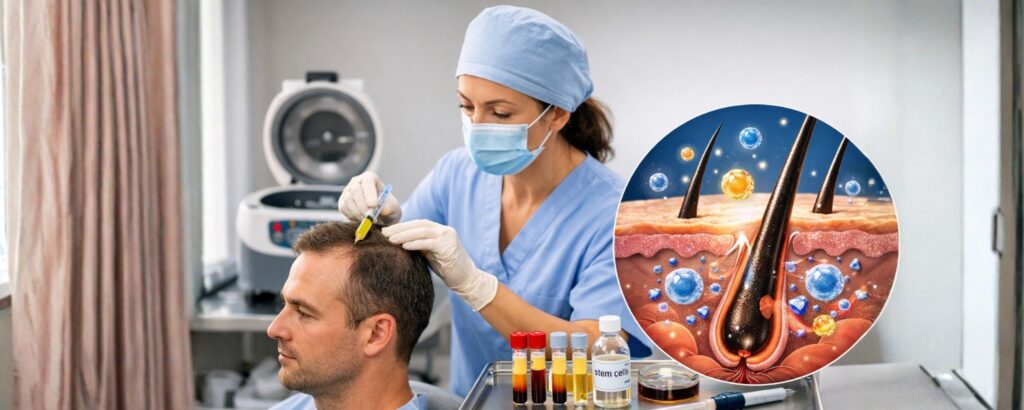
Regenerative therapy is a broad medical field focused on using the body’s own healing mechanisms to repair damaged tissue. Hair restoration is one of the most exciting areas where regenerative therapy is making a real difference.
The idea is straightforward: instead of fighting hair loss with chemicals or surgery, regenerative approaches support the body’s natural ability to repair and rebuild. Stem cells, growth factors, exosomes, and other biological tools are all part of this regenerative toolkit.
Hair follicles are actually some of the most regenerative structures in the human body under normal conditions. Regenerative therapy simply helps restore the right conditions when things have gone wrong.
How a Cellular Therapy Specialist Performs the Treatment
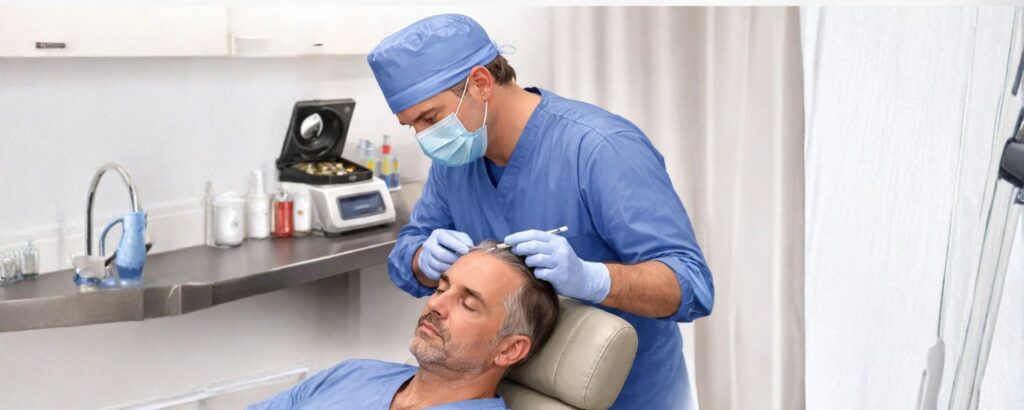
A cellular therapy specialist is a doctor trained in using biological materials — like stem cells, growth factors, and platelet-based therapies — to treat conditions at the cellular level.
The typical treatment process looks like this:
First, the specialist conducts a thorough consultation and scalp evaluation. This may include digital scalp imaging to assess follicle density and health.
Next, cells are harvested. This is usually done through a small procedure — often a minor liposuction of fat from the abdomen or thighs, since fat tissue is rich in stem cells called adipose-derived stem cells (ADSCs).
The harvested tissue is then processed in a clinical setting to isolate and concentrate the stem cells.
Finally, the specialist injects the processed stem cells into targeted areas of the scalp using fine needles. The procedure itself usually takes one to three hours depending on the area being treated.
What to Expect During the Stem Cell Hair Treatment Process
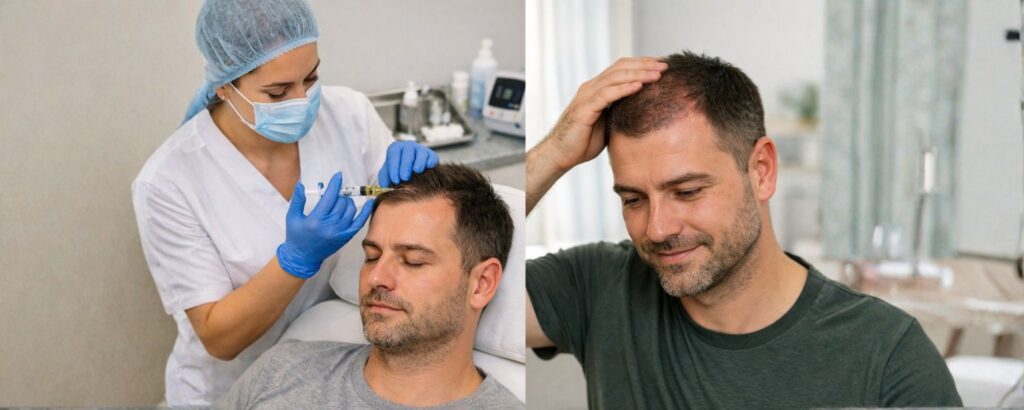
On the day of treatment, you will be given a local anesthetic to keep you comfortable. The injection process is generally well-tolerated. Most patients describe minor pressure or slight discomfort during injections, but significant pain is uncommon.
After the procedure, your scalp may feel tender or mildly swollen for a day or two. This is completely normal. You can usually return to non-strenuous activities the next day. Your doctor will advise you to avoid heavy exercise, swimming, or direct sun exposure on the scalp for about a week.
Recovery Time and Results of Stem Cell Hair Treatment
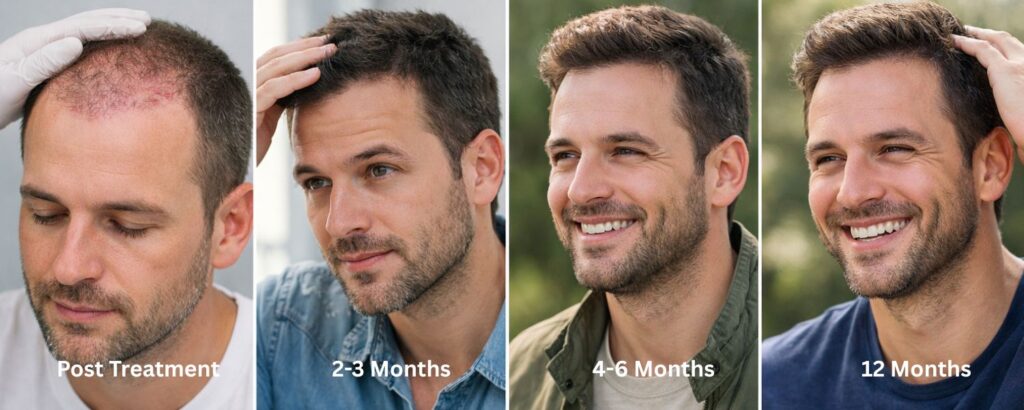
Recovery from stem cell hair treatment is generally quick. Most people experience only mild redness or sensitivity for 24 to 48 hours. There is no significant downtime required.
As for results, patience is key. Hair growth is a slow biological process. Most patients begin to notice improvements in hair texture and thickness within two to three months. Visible new hair growth is typically seen between four and six months after treatment. Full results can take up to 12 months to appear.
Results vary depending on the extent of hair loss, age, overall health, and whether the treatment is combined with other therapies. Some people benefit significantly from a single session while others may need two or more treatments spaced several months apart.
Additional Therapies That Support Hair Growth

PRP for Hair Loss
As mentioned earlier, PRP for hair loss works well alongside stem cell treatment. Many clinics offer combined protocols where PRP sessions are performed between stem cell treatments to keep the scalp environment stimulated and supportive of new growth. PRP is also a great standalone maintenance therapy for people who have completed their stem cell treatment course.
Regenerative IV Therapy
Regenerative IV therapy involves delivering vitamins, minerals, amino acids, and other nutrients directly into the bloodstream through an intravenous drip. While not a hair treatment on its own, it supports overall cellular health, reduces inflammation, and ensures your body has the building blocks it needs for hair regeneration. When used alongside stem cell therapy, many patients find that their recovery is smoother and their results are more consistent.
Conclusion: Is Stem Cell Hair Treatment Right for You?
Stem cell hair treatment represents one of the most exciting developments in hair restoration medicine. It moves beyond symptom management and works at the biological level where hair loss actually begins. For people dealing with pattern baldness, thinning, or follicle damage, this approach offers a genuine possibility of meaningful, natural-looking improvement.
That said, it is important to have realistic expectations. This is not an overnight solution, and results depend heavily on how early you start treatment and how healthy your remaining follicles are. Consulting with a qualified cellular therapy specialist is the essential first step.
If you are tired of temporary fixes and want a treatment that works with your body rather than against it, stem cell hair treatment is worth exploring seriously.
Frequently Asked Questions
1. What is stem cell hair treatment?
A. Stem cell hair treatment is a regenerative procedure where stem cells — often harvested from the patient’s own body — are injected into the scalp to stimulate dormant hair follicles and encourage new hair growth. It addresses the underlying biological causes of hair loss rather than just treating symptoms.
2. Is stem cell hair treatment better than PRP for hair loss?
A. Both are effective, but they work differently. PRP for hair loss uses growth factors from your blood to stimulate existing follicles. Stem cell treatment introduces regenerative cells that can create a more sustained and deeper level of healing. For moderate to advanced hair loss, stem cell therapy often produces stronger results. Many specialists recommend combining both for the best outcome.
3. How long does it take to see results from stem cell hair treatment?
A. Initial improvements in hair texture and thickness are usually noticeable within two to three months. Visible new hair growth typically appears between four and six months. Full results may take up to a year. Hair growth is a gradual biological process, so consistent patience and follow-up are important.
4. Who should perform stem cell hair treatment?
A. Stem cell hair treatment should always be performed by a trained and certified cellular therapy specialist or a dermatologist with specific experience in regenerative hair restoration. Due to the nature of the procedure — including cell harvesting and injection — it requires clinical expertise and sterile medical conditions. Always verify your provider’s credentials and experience before proceeding.