
Modern medicine is shifting from simply managing symptoms to helping the body heal from within. For years, many treatments for injury, aging, and chronic illness focused on medication or surgery. Today, regenerative medicine is offering a different approach by supporting the body’s natural ability to repair, rebuild, and recover.
One option gaining attention is IV stem cell therapy. This non-surgical treatment delivers stem cells directly into the bloodstream, allowing them to circulate throughout the body. It may help support recovery, balance inflammation, and promote overall wellness.
What Is IV Stem Cell Therapy?
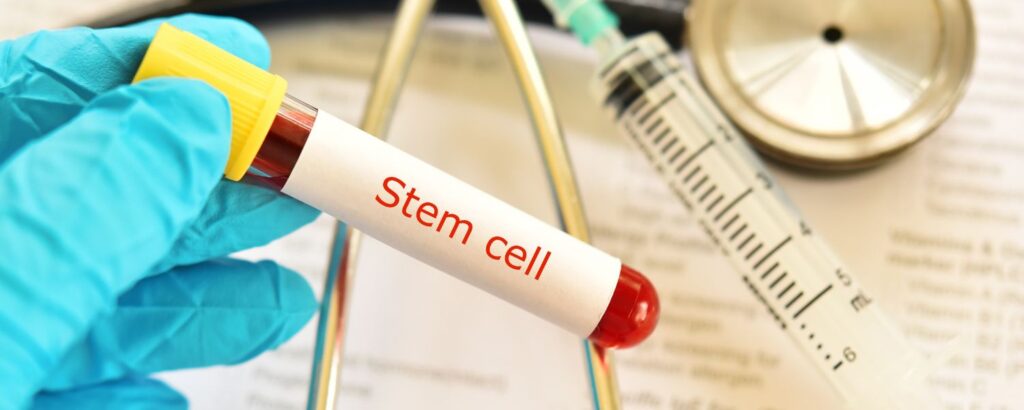
To understand IV stem cell therapy, it helps to first understand what stem cells actually are. Think of stem cells as the raw building blocks of the human body. They are unspecialized cells, which means they have the unique ability to develop into many different types of cells, such as muscle cells, nerve cells, or blood cells. They also act as a natural internal repair system, dividing and tracking down areas of need to replace damaged tissues.
An stem cell therapy session involves taking these powerful cellular products and delivering them directly into a patient’s vein through an IV line. This process is called a stem cell IV infusion.
Historically, cellular therapy was only used in highly specific, localized ways, such as injecting cells directly into a damaged knee or shoulder. However, researchers and doctors realized that many health issues are not isolated to a single joint. Conditions like chronic fatigue, systemic inflammation, and aging affect the whole body. By using an IV line, doctors can introduce these cells into the vascular system, allowing them to travel everywhere the blood flows. This makes it a foundational regenerative treatment for widespread vitality.
How IV Stem Cell Therapy Works

The human body naturally knows how to heal itself. When you get a cut, bruise, or injury, your body sends signals to start the healing process.But with age or chronic illness, this natural repair system can slow down. The body may produce fewer active stem cells, and its healing signals may become weaker.
So, how IV stem cell therapy works comes down to systemic circulation and cellular signaling. The process unfolds in a few clear stages:
- Direct Bloodstream Entry: The cells bypass the digestive system entirely, ensuring that 100 percent of the cellular product enters the bloodstream immediately.
- Systemic Circulation: Once inside the veins, the cells travel through the heart and lungs, eventually pumping out to every organ, tissue, and blood vessel in the body.
- Homing In on Damage: Stem cells can move toward areas that need support. When tissues become damaged or inflamed, they release chemical signals. The infused cells may detect these signals and travel to those areas to support the healing process.
- Stimulating the Repair Cascade: Once they reach the target tissues, the cells do not just replace old cells. They release growth factors, cytokines, and signaling molecules that kickstart regenerative healing in the surrounding tissue.
By supporting the natural repair process, this therapy encourages whole-body healing by giving your biology the extra resources it needs to repair itself efficiently.
Why IV Stem Cell Therapy Is Used for Whole-Body Healing

When people think of regenerative medicine, they often picture a doctor injecting a single arthritic joint Localized injections can work well for a specific injury, but they only target one area of the body. If a patient is dealing with widespread fatigue, body-wide joint discomfort, or an overactive immune system, treating one spot at a time is not enough.
This is why systemic stem cell therapy is becoming so popular. A regenerative therapy session offers a macro approach to wellness. Instead of focusing on a single point, stem cell therapy through IV treats the body as a single, interconnected system.
When stem cells travel through the bloodstream, they can address multiple hidden areas of inflammation at the same time. This systemic approach is essential for whole-body regenerative care. It acknowledges that poor gut health, joint pain, and brain fog are often connected by a single underlying thread, which is systemic inflammation. By treating the whole body, patients often report improvements not just in their primary area of concern, but also in their sleep quality, mental clarity, and overall energy levels.
Potential Benefits of IV Stem Cell Therapy

Choosing a non-surgical treatment comes with a long list of potential advantages. Because the therapy works at a deep cellular level, the benefits of IV stem cell therapy can manifest across many areas of your health.
Advanced Inflammation Support
Chronic inflammation is the root cause of many modern health complaints, from joint stiffness to autoimmune flare ups. Stem cells naturally produce anti inflammatory molecules that help calm an overactive immune response, providing vital inflammation support.
Enhanced Recovery Support
Whether you are an athlete looking to bounce back from intense training or someone recovering from an illness, cellular therapy can accelerate the timeline. By delivering raw materials directly to tired tissues, it offers robust recovery support.
Improved Mobility Support
When systemic inflammation decreases, joint and muscle stiffness often decrease along with it. Patients frequently notice they can move more freely, walk longer distances, and enjoy daily activities with less physical restriction.
Long-Term Wellness Support
Many individuals use this therapy as a proactive tool for healthy aging. By clearing out cellular debris and promoting tissue renewal, it provides comprehensive whole-body wellness that helps you feel vibrant from the inside out.
What Patients Can Expect During IV Stem Cell Therapy

Starting any new medical treatment can feel overwhelming, but the IV stem cell therapy process is actually straightforward, comfortable, and minimally invasive. Here is a step by step breakdown of what to expect with stem cell therapy.
The Regenerative Care Consultation
Your journey begins with a thorough medical history review. A specialist will look at your current symptoms, past diagnoses, and wellness goals to ensure you are a safe and ideal candidate for the procedure.
Creating a Customized Stem Cell Treatment Plan
No two bodies are exactly alike. Your provider will design a personalized plan that outlines the source of the cells, the specific dosage required, and the ideal schedule for your sessions.
The IV Therapy Appointment
On the day of your appointment, you will relax in a comfortable chair. A healthcare provider will gently insert a small needle into a vein, usually in your arm, to establish the IV line. The stem cell infusion will then drip slowly into your system. The entire process typically takes between thirty minutes to an hour. It is virtually painless, and many patients pass the time reading, listening to music, or resting.
Post-Treatment Guidance and Follow-Up Care
Because this is a non-surgical option, there is zero downtime. You can drive yourself home immediately after your appointment and resume your normal daily routine. Your care team will provide simple lifestyle guidelines to help maximize your results, along with scheduling follow-up checks to monitor your progress over the coming months.
Conclusion
In a world where chronic health challenges are on the rise, IV stem cell therapy stands out as a beacon of hope. It offers a powerful, non-surgical regenerative option that works in harmony with your biology. By delivering vital resources directly through the bloodstream, this therapy supports whole-body healing, helps balance inflammation, accelerates recovery, and elevates overall wellness.
If you are tired of temporary fixes and want to invest in deep, cellular healing, it is time to take the next step. Reach out to a qualified regenerative medicine provider today to discover how an IV infusion can support your personal journey toward lasting health.
Frequently Asked Questions
Q1: Does IV stem cell therapy work?
Many patients report significant improvements in pain reduction, energy levels, and mobility. The effectiveness often depends on the individual’s overall health, the condition being treated, and the quality of the cellular products used. Ongoing clinical research continues to show promising results for its role in reducing systemic inflammation and boosting tissue repair.
Q2: Can stem cells fix spinal stenosis?
Stem cells cannot physically change the bony narrowing of the spinal canal that occurs with advanced spinal stenosis. However, they can help manage the condition by reducing inflammation in the surrounding nerves, repairing damaged discs, and soothing localized joint pain, which may provide noticeable relief from symptoms.
Q3: Should I get a stem cell transplant for multiple myeloma?
An IV infusion for general wellness is very different from a stem cell transplant used for oncology. A stem cell transplant for multiple myeloma is a highly specific, intense conventional medical treatment designed to replace bone marrow after high dose chemotherapy. You must consult with an oncologist to determine if a transplant is the right path for cancer care.
Q4: How often can you do stem cell IV?
The frequency of therapy varies from person to person. Some patients experience long lasting benefits from a single session, while others with chronic health conditions might benefit from a series of infusions spaced several months or a year apart. Your provider will customize this timeline in your personal care plan.
Q5: Is IV stem cell therapy a non-surgical treatment?
Yes, it is entirely non-surgical. The procedure is performed in an outpatient setting using a standard intravenous line, just like a hydration or vitamin IV drip. There are no incisions, no anesthesia is required, and there is no downtime needed for recovery after the appointment.