Thinning hair can feel like a losing battle. Whether you notice a few extra strands in the shower drain or see your scalp peeking through in photos, hair loss is a deeply personal experience that affects confidence and self-image. For a long time, the options were limited: you either wore a hat, used messy topical creams, or went under the knife for a hair transplant.
However, the field of regenerative medicine has opened a new door. Stem cell hair restoration is emerging as a compelling regenerative hair treatment for those looking to support natural hair growth without the downtime of surgery.
What Is Stem Cell Hair Restoration?
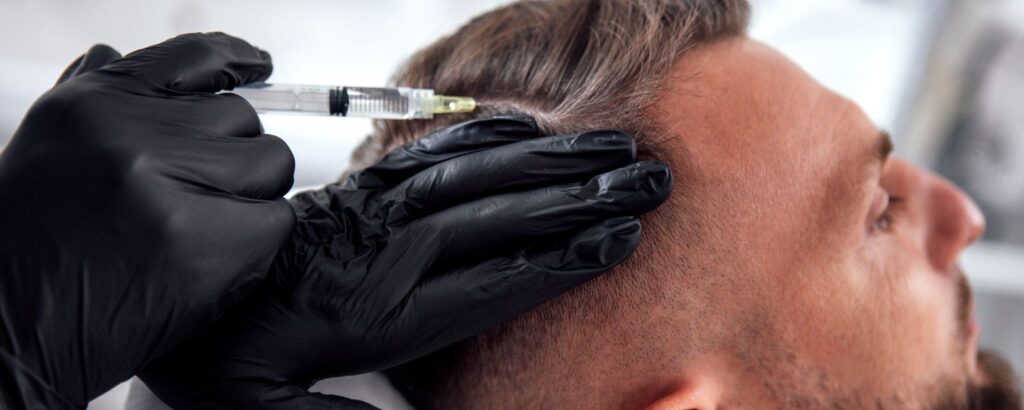
When we talk about what is stem cell hair restoration, it’s best to think of it as bio-hacking for your scalp. Unlike traditional transplants that move hair from one spot to another, stem cell therapy for hair loss focuses on repair and renewal.
At its core, this is a regenerative hair restoration method. Stem cells are the body’s master cells unique because they have the ability to transform into different types of cells or signal other cells to start repairing damage. In a hair follicle treatment, these cells (or the growth factors derived from them) are introduced into the scalp. The goal is to provide a boost to weak or inactive follicles that have stopped producing thick, healthy hair strands.
It is a science-backed approach that views hair loss not just as a cosmetic issue, but as a biological decline that can potentially be slowed or reversed through cellular support.
How Stem Cell Hair Restoration Works
Understanding how stem cell hair restoration works requires a quick look at the hair growth cycle. Your hair follicles go through phases: growth (anagen), transition (catagen), and rest (telogen). Hair loss often happens because the follicles stay in the resting phase too long or begin to shrink (miniaturization).
The stem cell hair therapy process typically involves these key steps:
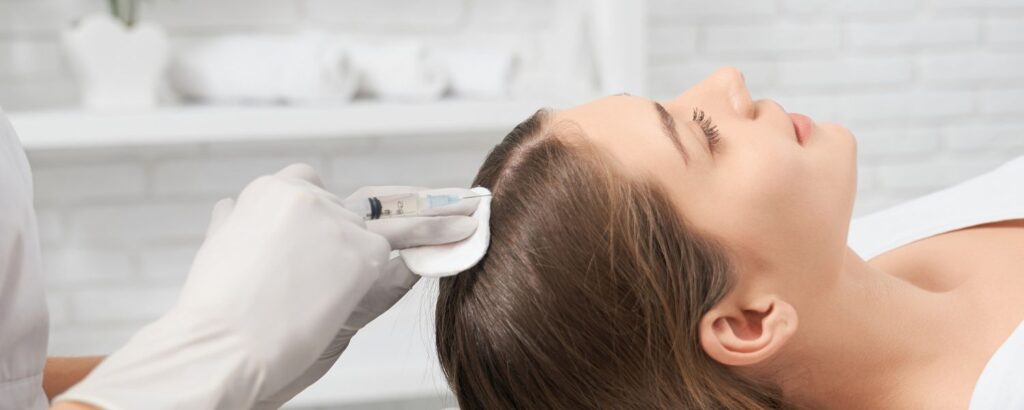
- Stimulation: The injection of regenerative stem cells or exosomes, which are potent signaling molecules, is carefully administered directly into the scalp.
- Cellular Communication:These stem cells and exosomes send targeted biochemical signals to aging or dormant hair follicles, encouraging cellular activity and regeneration naturally.
- Revitalization: This precise wake-up signal motivates inactive follicles to re-enter the hair growth phase, supporting thicker, stronger, and healthier hair over time.
- Scalp Optimization: The procedure enhances blood circulation while reducing inflammation in the scalp, creating a nutrient-rich environment ideal for sustainable hair growth.
By using Stem Cell hair therapy, you aren’t just masking the problem; you are trying to improve the environment of the scalp so that natural hair growth can thrive.
Conditions Stem Cell Hair Restoration May Help With
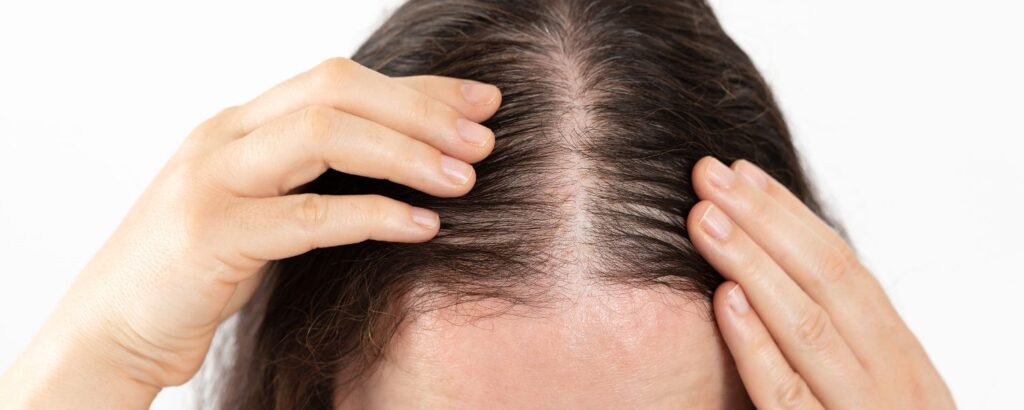
This treatment isn’t a one size fits all miracle cure, but it is highly versatile for various types of hair concerns. Generally, stem cell therapy for hair thinning is most effective for individuals who still have some active hair follicles. It is often used for:
- Thinning Hair: Your hair is gradually losing volume and appears wispy or fragile.Strands feel lighter, and it becomes harder to achieve the same fullness you once had.
- Weak Follicles:Hair tends to break easily and struggles to grow beyond a certain length.Follicles are fragile, leading to short, uneven strands and less overall hair strength.
- Receding Hairlines: The hairline is starting to move back, exposing more scalp.This early-stage recession leaves the skin visible before the area becomes fully smooth.
- Reduced Hair Density: You notice more scalp showing through, especially under bright lights.Hair feels sparse, and the overall thickness and coverage of your hair are reduced.
- Patchy Hair Certain areas have inconsistent or uneven hair growth.These gaps make the scalp more noticeable and create irregular patterns in your hair.
Because it is a hair regrowth treatment, it works best when the thinning is caught early. For those with total baldness where the follicles have completely scarred over, the results may be more limited.
Benefits of Stem Cell Hair Restoration
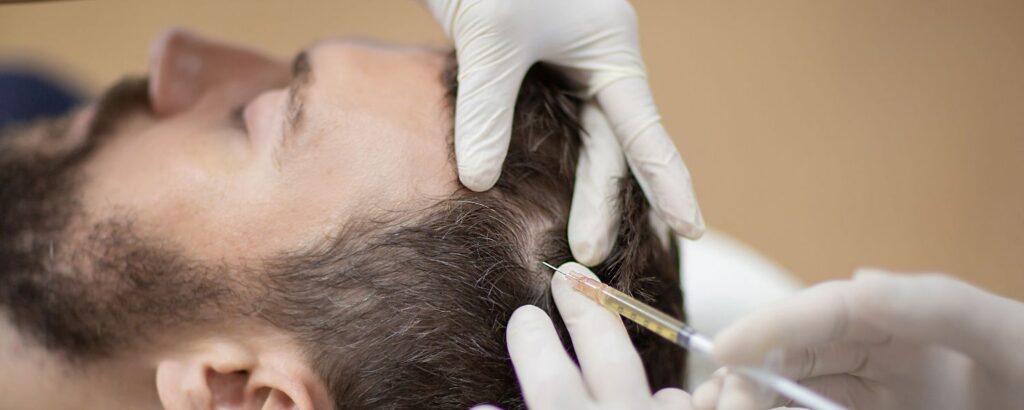
Why are so many people moving away from chemicals and toward biological solutions? The benefits of stem cell hair restoration extend beyond just looking better in the mirror.
- Supports Natural Growth: Instead of relying on synthetic fibers or pluggy transplants, this treatment stimulates your own hair follicles. It encourages your natural hair to regrow, creating a more authentic and lasting look.
- Improved Hair Thickness: Individual hair strands become stronger, fuller, and more resilient over time. Patients often notice a visibly thicker appearance that enhances overall hair density.
- Scalp Health:The therapy improves the condition of your scalp, which serves as the foundation for hair growth. A healthier scalp supports better follicle function and promotes long-term hair vitality.
- No Surgery Required: There’s no need for scalpels, stitches, or linear scars with this non-invasive approach.You get hair restoration benefits without the risks and recovery of traditional surgery.
- Minimal Downtime: Most patients can resume their daily routine immediately after treatment.Many consider it a convenient lunchtime procedure with almost no interruption to their schedule.
This thicker hair treatment offers a bridge for those who aren’t ready for surgery but want something more powerful than over-the-counter shampoos.
What to Expect During Stem Cell Hair Restoration
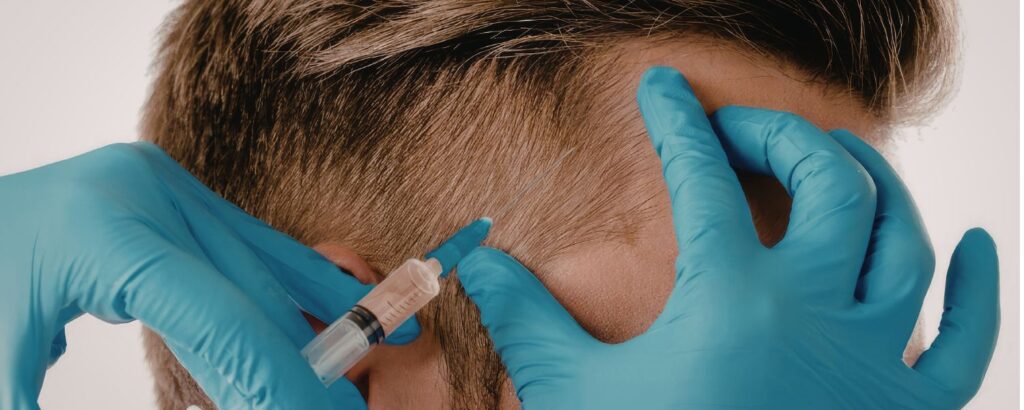
If you’re considering this path, knowing what happens behind the clinic doors can ease any nerves.
1. The Consultation
Every journey starts with a stem cell hair restoration consultation. A specialist will examine your scalp, often using a high-powered lens to check the health of your follicles. They will discuss your medical history and determine if your type of hair loss is likely to respond to regenerative medicine
2. The Procedure
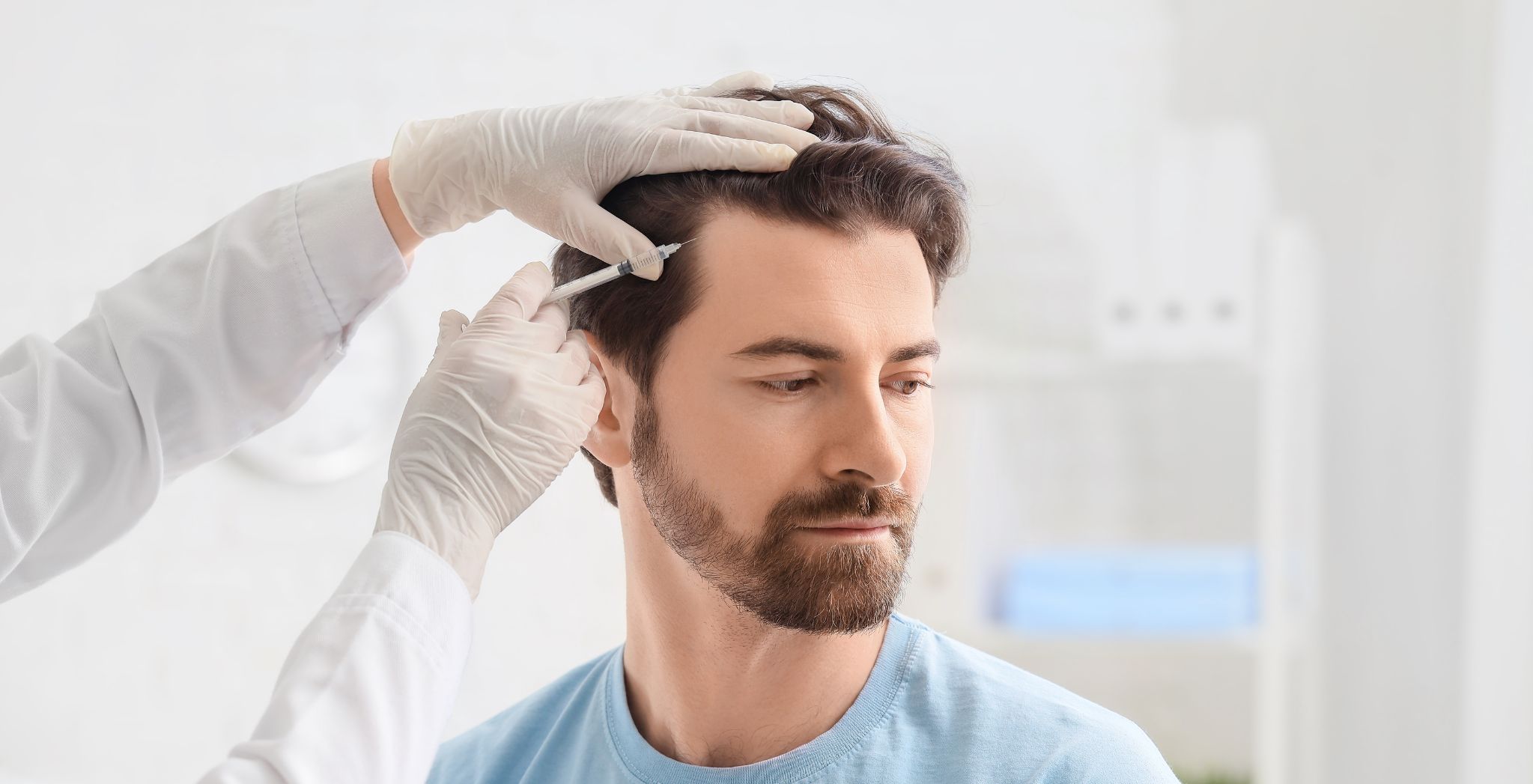
During the hair restoration procedure, the scalp is typically numbed with a local anesthetic. The regenerative solution is then carefully administered into the target areas of the scalp via shallow injections. This ensures the fuel for growth reaches the follicle bulbs directly.
3. Aftercare and Recovery
The hair restoration recovery is remarkably simple. You might experience some mild soreness, redness, or a tight feeling in the scalp for 24 to 48 hours. Most providers suggest avoiding harsh chemical dyes or intense exercise for a day or two, but otherwise, you are good to go.
4. The Waiting Period
Patience is key. Because you are waiting on a biological process, you won’t walk out with a full head of hair. It takes time for the follicles to revitalize and for new strands to reach the surface of the skin.
Conclusion
Stem cell hair restoration represents a significant leap forward in how we manage hair loss. By moving away from aggressive surgery and toward a regenerative, non-surgical option, it allows individuals to take control of their hair health using the body’s own logic of repair.
Whether you are dealing with early-stage thinning hair, a loss of hair density, or simply want to strengthen your existing hair, this treatment offers a pathway to natural hair growth with minimal disruption to your life. However, because hair loss is complex and can be caused by genetics, hormones, or lifestyle, it is vital to remember that results vary.
Frequently Asked Questions
Q1: Do stem cells really regrow hair?
While research is ongoing, many clinical studies and patient testimonials suggest that stem cell-based therapies can successfully transition follicles from the resting phase back to the growth phase. It doesn’t create new follicles out of thin air, but it can significantly improve the output and size of existing ones.
Q2: What are the big 3 for hair regrowth?
Traditionally, the Big 3 refers to Finasteride (a DHT blocker), Minoxidil (a vasodilator), and Ketoconazole shampoo. However, many modern patients are adding regenerative treatments like stem cells to this regimen or using them as a natural alternative to enhance results.
Q3: How does stem cell hair restoration work?
It works by delivering signaling molecules and growth factors to the base of the hair follicle. These signals tell the follicle to repair itself, increase blood flow to the area, and produce a thicker, healthier hair shaft.
Q4: How long does stem cell hair restoration take to show results?
Most patients begin to see changes in hair texture and reduced shedding within 3 to 6 months. Full results in terms of visible density usually take 6 to 12 months, following the natural timeline of the hair growth cycle.
Q5: Is stem cell hair restoration good for thinning hair?
Yes! Thinning hair is actually the ideal stage for this treatment. Because the follicles are still alive (just tired or shrinking), they are much more likely to respond to regenerative signals than follicles that have been dormant for many years.