

Dealing with persistent joint pain or an injury that simply will not heal can completely disrupt your daily life. For a long time, the standard path forward often involved heavy reliance on pain medications or jumping straight into invasive surgical procedures. Today, the landscape of healthcare is shifting. Many people are turning their attention toward regenerative medicine to find alternatives that work alongside the body’s natural healing abilities.
At the forefront of this movement is regenerative medicine, a field dedicated to restoring normal function by repairing or replacing damaged tissues. A stem cell injection is one of the most widely discussed treatments in this category.
What Is a Stem Cell Injection?

To put it simply, a stem cell injection is a treatment where stem cell-based material is placed into a targeted area of the body to support tissue repair and healing. But what actually are stem cells? You can think of them as the master cells of the human body. Unlike specialized cells, such as a heart cell or a skin cell, stem cells have the remarkable ability to divide and develop into many different cell types.
During a stem cell therapy session, a concentrated dose of these powerful cells is carefully delivered directly to the site of injury or degeneration. The main goal of introducing this cellular therapy is to encourage natural tissue repair at a microscopic level, giving your body the raw materials it needs to mend itself rather than just masking the pain.
How Stem Cell Injection Works in Regenerative Medicine

Stem cell injection works through a field called regenerative medicine. Traditional treatments often focus on managing symptoms. For example, they may use anti-inflammatory drugs to reduce pain and swelling.
Regenerative medicine works differently. It focuses on supporting the body’s natural healing process. It may also help reduce inflammation and improve recovery from within.
When an injury happens, the body sends repair cells to the damaged area. However, some tissues, such as cartilage and tendons, have limited blood supply, which makes natural healing slower and more difficult.
Stem cell treatment may support healing by:
- Releasing growth factors and healing proteins
- Reducing harmful inflammation in the affected area
- Encouraging local cells to become active again
- Supporting new blood vessel formation
- Helping the body repair and rebuild healthier tissue
In simple terms, stem cell injections act like a wake-up signal for the body’s own repair system. They do not replace the natural healing process but help amplify it, giving the injured tissue better support to recover.
What Are Stem Cell Injections Used For?
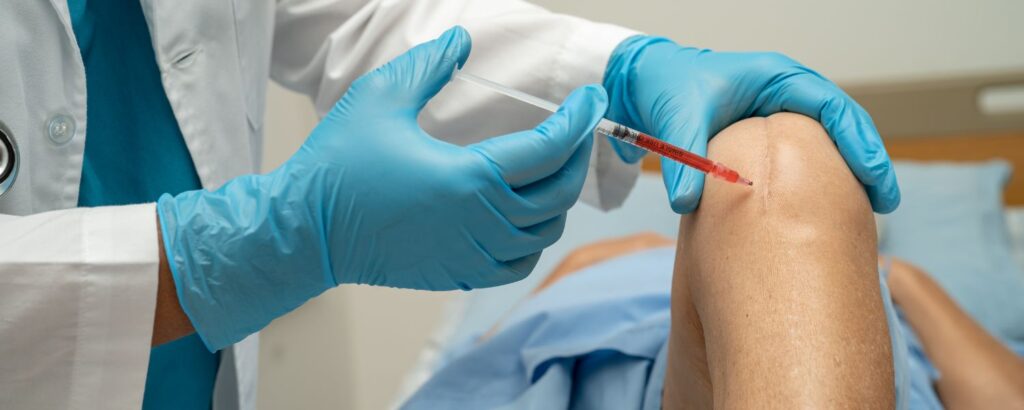
People consider regenerative treatments for many muscle, joint, and soft tissue problems. Many look into stem cell injections for joint pain after other treatments have not helped enough. These may include physical therapy, rest, or cortisone shots.
Stem cell injection for knee pain is one common reason people seek this care. This is often related to wear and tear or minor ligament injuries.
Other common treatment areas include the shoulder, hip, and lower back. Some athletes also explore stem cell therapy for sports injuries. These may include tendonitis, ligament sprains, or muscle tears.
Soft tissue injuries can be slow to heal. This is why some people consider regenerative care when traditional methods have not worked well.
However, the tone should stay clear, realistic, and informative. Stem cell therapy may offer a promising option for some people. It is not a guaranteed cure, and results can vary from person to person.
Potential Benefits of Stem Cell Injection
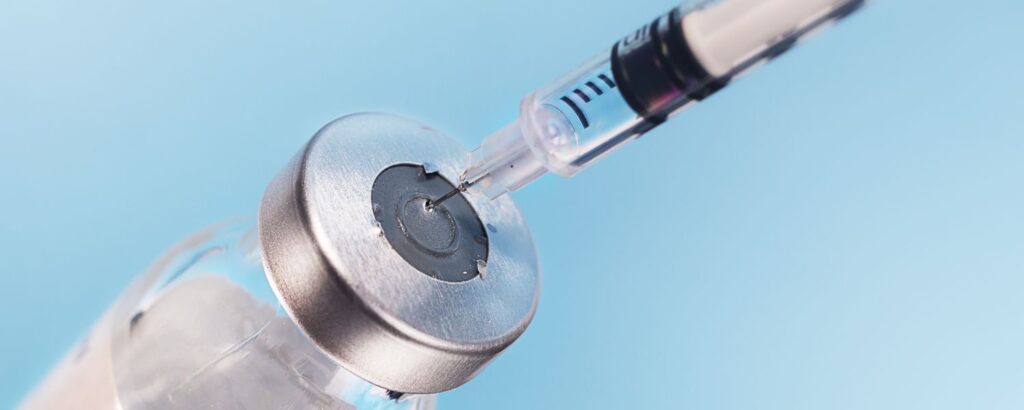
Choosing a non-surgical treatment can be helpful for people who want to avoid the long recovery time that often comes with surgery. Stem cell injections may support the body’s natural healing process by helping reduce inflammation and encouraging tissue repair in the affected area. This approach is often considered by people dealing with joint pain, soft tissue injuries, or discomfort that has not improved enough with basic care.
Some possible benefits of stem cell injection include:
- Supports tissue repair in injured or damaged areas
- May help reduce inflammation, swelling, and discomfort
- Can support better joint movement and flexibility
- May improve comfort during daily activities
- Helps some patients move with less stiffness or pain
- Offers a non-surgical option for selected patients
- May help address the source of pain, not just the symptoms
- Can be part of a personalized recovery plan guided by a medical provider
For example, some patients may find it easier to walk up stairs, move around, exercise lightly, or lift objects with less discomfort. This can make daily life feel more manageable and may help improve overall mobility.
However, results can vary from person to person. The benefits depend on several factors, such as the patient’s overall health, age, activity level, severity of the damage, and how well they follow medical guidance during recovery.
Who May Consider Stem Cell Injection?

Not every person with an ache or pain is the right candidate for cellular therapy. Stem cell injections are usually considered after a proper medical evaluation. They may be an option for adults dealing with ongoing joint discomfort, soft tissue concerns, limited mobility, or sports-related injuries that have not improved enough with basic care.
Many people explore this treatment when they want to consider a non-surgical option before moving toward joint replacement or a more extensive procedure. However, eligibility is different for every patient. It depends on your overall health, medical history, symptoms, imaging results, and personal treatment goals.
Conclusion
Stem cell injections represent an exciting evolution in regenerative medicine, offering a pathway that may support natural healing and tissue repair without the need for invasive surgery. Whether you are struggling with daily joint discomfort or a nagging sports injury, utilizing your body’s own repair mechanisms provides a fresh perspective on pain management and recovery.
If you are eager to explore non-surgical care options, the most important next step is to consult a qualified provider. They can assess your unique situation and help you build a personalized treatment plan designed to get you moving and feeling your best again.
Frequently Asked Questions
Q1: What is a stem cell injection used for?
A stem cell injection is used in regenerative medicine to support tissue repair and healing. It is often considered for joint pain in the knees, shoulders, hips, or spine, as well as tendon or ligament injuries.
Q2: How does stem cell injection work in regenerative medicine?
Stem cell injections deliver concentrated cells to the injured area. These cells release signals that may help reduce inflammation, support blood flow, and encourage the body’s natural healing response.
Q3: Do stem cell injections really work?
Many patients report less pain and better movement after treatment. However, results can vary based on age, health, injury severity, and the area being treated. It is not a guaranteed cure.
Q5: Is stem cell injection painful?
Most patients feel only mild discomfort. A local anesthetic is usually used to numb the area. Some soreness or aching may happen for a few days after the procedure.
Q6: Who can consider stem cell injection?
People with ongoing joint pain, soft tissue injuries, or mobility issues may consider this treatment after a medical evaluation. A specialist can help decide if it is the right option based on your condition and health goals.