
Living with persistent tingling, numbness, or a burning sensation in your hands and feet can turn daily life into a constant challenge. For millions of people, these uncomfortable sensations are not just a passing annoyance but the daily reality of a nerve pain condition.
When the simple acts of walking, sleeping comfortably, or holding a cup of coffee become painful or difficult, finding an effective management strategy becomes a top priority.
Understanding how this condition works and the various non-surgical treatment options available is the first step toward finding lasting relief and reclaiming your quality of life.
What Is Peripheral Neuropathy?

To understand how to manage this condition, it helps to look at the biology of your nervous system. What is peripheral neuropathy exactly? In short, it is a peripheral nerve disorder that occurs when the nerves outside of your brain and spinal cord become damaged or irritated.
Your peripheral nerves function much like an intricate network of communication cables. They carry vital signals back and forth between your central nervous system (your brain and spinal cord) and the rest of your body, including your muscles, skin, and internal organs.
Depending on which specific nerves are impacted, this nerve pain condition can manifest in several ways:
- Sensory Nerves: These nerves register sensations such as temperature, touch, and pain. Damage here frequently triggers the classic peripheral neuropathy symptoms like burning, pins and needles, or a total loss of feeling.
- Motor Nerves: These nerves control voluntary muscle movements. Damage can result in muscle weakness, cramping, twitching, or a lack of coordination.
- Autonomic Nerves: These nerves regulate involuntary bodily functions, including blood pressure, heart rate, digestion, and bladder function.
Because the condition can affect one or all of these nerve types, the symptoms vary greatly from person to person, making customized care essential.
How Peripheral Neuropathy Treatment Works
The primary focus of peripheral neuropathy treatment is not necessarily a quick fix, but a structured approach to reducing nerve discomfort, supporting local circulation, improving daily mobility, and managing underlying inflammation. When peripheral nerves are under stress, they require a supportive environment to heal, stabilize, and function properly.
Modern neuropathy therapy focuses on the root causes of nerve distress. It combines targeted therapies to support nerve function, promote tissue repair, and reduce inflammation. Specialized techniques enhance blood flow, delivering oxygen and nutrients to struggling nerves while clearing metabolic waste, helping restore proper nerve health and function.
Depending on your specific condition and personal health goals, neuropathy pain management may combine multiple modalities. By addressing both the symptoms and the local cellular environment, nerve damage treatment works to prevent further nerve degradation, calm hyperactive pain signals, and encourage the body’s natural maintenance processes. Targeted injections, such as regenerative or anti-inflammatory therapies, can be part of this approach to deliver healing agents directly to affected nerves, enhancing comfort and supporting nerve repair.
Common Reasons People Seek Peripheral Neuropathy Treatment

People seek out clinical interventions for neuropathy for a wide variety of reasons. Because the peripheral nervous system influences so many physical sensations and movements, nerve issues can disrupt almost every aspect of a person’s routine.
Managing Chronic Burning Sensations and Tingling
The persistent feeling of walking on pins and needles or experiencing a hot, burning nerve pain is exhausting. Many individuals seek treatment simply to quiet these overactive sensations so they can focus on work, hobbies, and family without a constant baseline of discomfort.
Addressing Numbness and Balance Issues
Numbness might sound less severe than pain, but it introduces major safety risks. When you cannot properly feel the floor beneath your feet, your balance suffers. This makes you much more prone to missteps, trips, and dangerous falls. Treatment helps restore sensory awareness to improve stability.
Managing Diabetic Neuropathy
Unmanaged or long term high blood sugar levels can damage the delicate blood vessels that supply your nerves. Individuals seeking diabetic neuropathy treatment do so to protect their extremities from permanent damage, avoid chronic ulcers, and manage the specific metabolic nerve pain associated with diabetes.
Relieving Nerve Compression and Mechanical Irritation
Sometimes peripheral neuropathy is caused by physical compression, such as a pinched nerve in the spine or wrist. People look for therapies that can relieve this physical pressure, reduce localized swelling, and give the compressed nerve space to recover.
Improving Poor Circulation and Mobility
Nerves require a rich supply of oxygenated blood. Poor circulation starves the nerves, accelerating damage and causing severe cramping or weakness. Over time, this makes walking short distances difficult. Seeking targeted treatment helps open up circulation, restoring the stamina needed for daily movement.
Restoring Restful Sleep
For many, chronic nerve pain management becomes most urgent at night. Neuropathy symptoms frequently intensify when a person lies down to rest, preventing deep sleep and leading to chronic fatigue. Treatment helps quiet the nervous system so the body can get the restorative sleep it needs.
Types of Peripheral Neuropathy Treatment

Every individual experiences nerve issues differently, meaning there is no single option that works perfectly for everyone. A balanced, educational view of peripheral neuropathy treatment involves exploring diverse options based on your symptoms, underlying causes, and health goals.
PRP Therapy for Peripheral Neuropathy
Platelet Rich Plasma, or PRP therapy, utilizes a concentrated portion of the patient’s own blood platelets. During this procedure, a small sample of blood is drawn and spun in a centrifuge to isolate the platelets. These platelets are rich in growth factors and signaling proteins that natural healing responses rely on. When precisely delivered near the affected nerves, PRP may support tissue repair, reduce localized inflammation, and help create a healthier cellular environment for stressed peripheral nerves.
Stem Cell Therapy for Peripheral Neuropathy
As a prominent sector of regenerative medicine, stem cell therapy focuses on supporting damaged tissues and managing chronic inflammation from within. This approach introduces specialized cellular components that can assist in tissue maintenance and calm hyperactive inflammatory pathways. For individuals looking for alternatives to traditional surgeries or lifelong medication dependencies, regenerative nerve care offers an innovative way to support long term nerve health.
Benefits of Peripheral Neuropathy Treatment
Investing time and effort into a structured treatment plan can yield significant, transformative rewards for your physical health and daily mindset.
Noticeable Neuropathy Symptom Relief
One of the most immediate benefits of peripheral neuropathy treatment is a reduction in the intensity of tingling, prickling, and burning sensations. Achieving meaningful nerve pain relief allows your nervous system to exit a state of constant high alert, providing welcome comfort.
Enhanced Balance and Physical Mobility
As nerve communication improves and numbness decreases, your spatial awareness returns. You can better feel the ground, which leads to improved balance and stability. This newfound confidence in your movement makes walking, climbing stairs, and exercising much safer and easier.
Improved Daily Function and Lifestyle Independence
When your hands and feet work reliably without severe pain, everyday chores stop being a struggle. Buttoning a shirt, cooking a meal, driving safely, or typing on a keyboard become manageable tasks once again, directly boosting your personal independence.
Avoidance of Invasive Surgical Risks
Choosing a non-surgical nerve treatment means you can pursue symptom management and nerve support without the inherent risks, scarring, or lengthy recovery periods associated with major operations. It provides a conservative yet highly proactive path forward.
Better Long Term Health and Circulation Support
Many advanced treatments do more than calm pain; they actively support local blood flow and cellular metabolic health. This holistic, regenerative nerve care focus addresses the underlying tissue health, working to protect your nerves from progressive, long term deterioration.
What to Expect During Peripheral Neuropathy Treatment

Starting a new medical journey can feel overwhelming, but knowing the typical step by step peripheral neuropathy treatment process can help remove the anxiety of the unknown.
The Initial Neuropathy Consultation
Your journey begins with an in depth neuropathy consultation. During this session, your clinical team will perform a comprehensive symptom review. You will discuss when your pain started, what it feels like, and how it impacts your daily routine.
Comprehensive Nerve Evaluation
Next, a physical and neurological evaluation is conducted. This involves testing your reflexes, checking your sensitivity to vibration and temperature, and mapping out areas of numbness or muscle weakness.
Diagnostic Testing
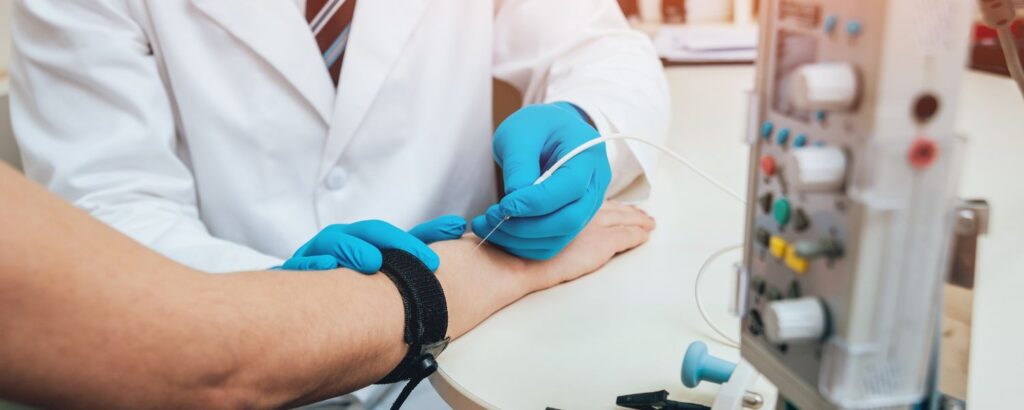
If your case is complex, diagnostic tests may be recommended. These can include nerve conduction studies, electromyography, or specific imaging to pinpoint the exact locations of nerve compression or vascular insufficiency.
Personalized Treatment Planning
Using your diagnostic details, the team designs a customized care plan. This plan outlines the specific types of nerve pain therapy appointment schedules you need, combining lifestyle changes, physical therapies, and regenerative treatments tailored to your goals.
Therapy Sessions and Neuropathy Treatment Recovery
During your active treatment phase, you will attend your scheduled therapy sessions. If you receive advanced treatments like PRP or regenerative injections, you might experience mild soreness or temporary local discomfort immediately after the procedure. This reaction is a completely normal part of the localized healing response and typically resolves within a few days.
Follow Up Care and Monitoring
Long term success relies on consistent tracking. Regular follow up visits allow your care provider to monitor your sensory improvements, adjust your therapies as needed, and ensure your nerve health remains on a positive trajectory.
Conclusion
Peripheral neuropathy treatment offers a supportive, non-surgical approach to manage nerve pain, numbness, and mobility challenges. Personalized plans may include lifestyle changes, regenerative therapies, injections, and supportive treatments to improve circulation, reduce inflammation, and enhance overall comfort and function.
Frequently Asked Questions
Q1: What happens if you don’t treat neuropathy?
Untreated neuropathy can get worse over time. Tingling and numbness may become permanent, increasing the risk of injuries, infections, and balance problems. Muscle weakness and loss of coordination can also occur. Early treatment helps prevent these complications.
Q2: What foods are good for peripheral neuropathy?
Eat a diet rich in whole, anti-inflammatory foods like leafy greens, lean proteins, berries, nuts, and fatty fish. For diabetic neuropathy, monitor carbs and avoid processed sugars to protect nerves.
Q3: Why does neuropathy get worse at night?
Nerve pain often worsens at night because daytime distractions fade. Cooler temperatures and lowered body heat can make damaged nerves misfire, increasing tingling and burning sensations.
Q4: What are the top 3 causes of peripheral neuropathy?
- Diabetes: High blood sugar damages nerves.
- Trauma or compression: Injuries or repetitive pressure harm nerves.
- Metabolic or autoimmune issues: Conditions causing inflammation can damage nerve tissue.
Q5: What vitamin will decrease peripheral neuropathy?
B vitamins (B1, B6, B12) support nerve health and myelin protection. Deficiency can worsen symptoms. Consult a doctor before high-dose supplements.