
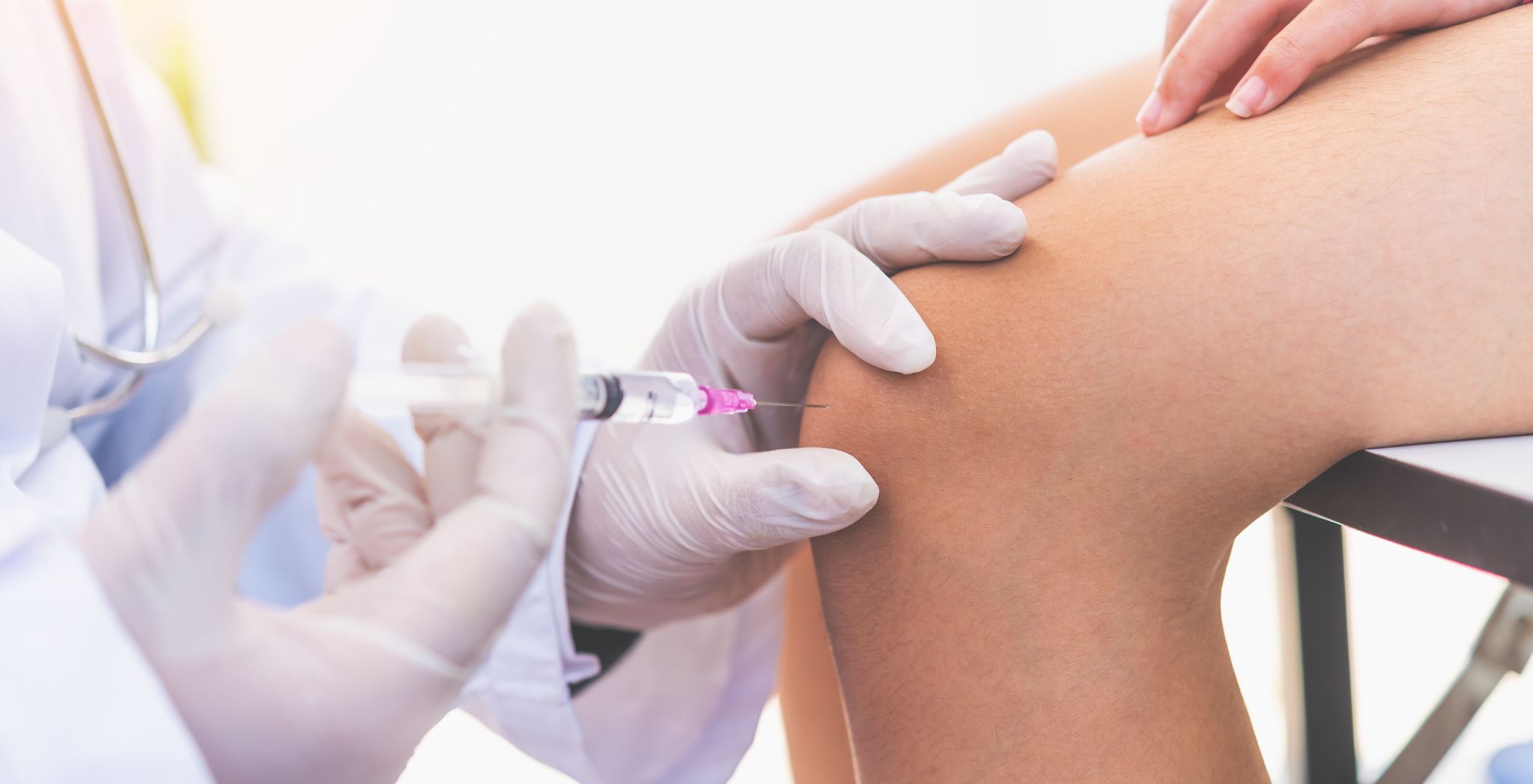
Every step you take shouldn’t be a reminder of your knee pain. Whether you are dealing with the slow, persistent ache of arthritis, sudden injury-related knee concerns, reduced mobility, or stubborn morning stiffness, knee discomfort can drastically shrink your world.
Simple actions like climbing a flight of stairs, kneeling to garden, or even getting out of a car can feel like monumental tasks. When over-the-counter pain relievers and ice packs stop working, many people worry that major surgery is their only remaining option.
What Are Knee Injections?
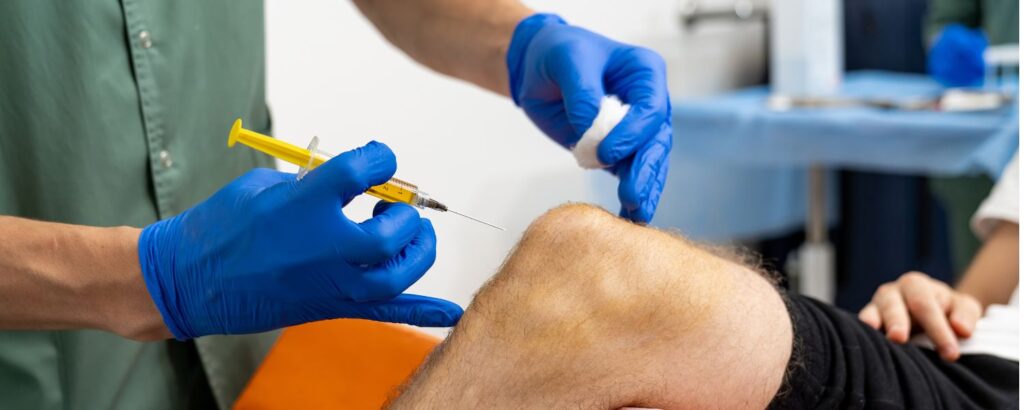
If you are unfamiliar with the concept, understanding what knee injections are is the first step toward relief. Joint injections are specialized medical treatments placed directly into the knee area to help manage pain, stiffness, inflammation, or movement-related problems. Instead of treating the whole body with a pill, this approach zeros in on the specific joint that is causing you trouble.
A knee injection treatment is not a single, one-size-fits-all solution. The term covers a variety of different formulations, each designed to achieve a different goal. Depending on your unique condition, how long you have been hurting, and your healthcare provider’s recommendation, your provider may inject a lubricating agent, a powerful anti-inflammatory, or an advanced cellular therapy.
Ultimately, the primary goal of all knee pain injections is to restore comfort, reduce swelling, and provide long-lasting knee pain relief so you can get back to doing what you love.
How Knee Injections Work

To truly appreciate the value of this approach, it helps to understand how knee injections work compared to traditional medicine. When you take an oral painkiller, the medication passes through your digestive system and enters your bloodstream. It then circulates throughout your entire body before a small fraction finally reaches your knee. This process takes time and can cause unwanted side effects in your stomach, liver, or kidneys.
Injection therapy for knee pain completely bypasses this systemic detour. A clinician delivers the therapeutic ingredients directly into the joint capsule. This sends the medication straight to the irritated tissues. It combats inflammation, soothes pain, encourages tissue repair, and restores joint function — all exactly where it is needed most.
The actual knee injection process is highly strategic. Modern protocols emphasize precision. The process begins with a comprehensive clinical evaluation of your joint. To maximize safety and effectiveness, healthcare providers use advanced imaging guidance, such as live fluoroscopy (X-ray). This imaging allows the provider to see the internal structures of your knee in real time, ensuring the needle reaches the exact pocket of the joint space where it will do the most good.
Common Reasons People Consider Knee Injections
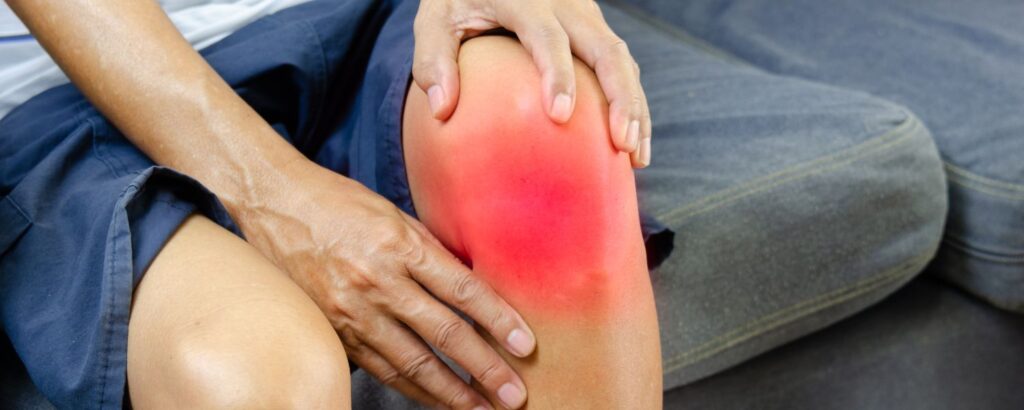
The knees are complex, heavy-working joints that bear the brunt of our daily movements, making them highly susceptible to wear and tear. Many reasons lead individuals to seek out knee pain management through injections:
Knee Injections for Arthritis: Osteoarthritis is the gradual wearing away of protective cartilage. It is the most common reason people seek this treatment. When cartilage thins, bones rub against each other, leading to chronic ache and structural irritation.
Knee Inflammation Treatment: Conditions like bursitis, tendinitis, or general synovitis cause fluid to build up. This leaves the knee feeling hot, puffy, and intensely painful.
Cartilage Wear and Tears: Over time or due to sudden twisting, the cartilage or meniscus can suffer small tears. These tears disrupt smooth joint movement.
Sports Injuries: Ligament sprains or minor muscle tears around the joint can benefit from localized healing therapies.
Knee Stiffness Treatment: Chronic stiffness makes it incredibly difficult to bend or straighten the leg fully. This severely limits your ability to walk, sit comfortably, or climb stairs.
Whether you are suffering from acute trauma or a degenerative condition, targeted injections offer a practical path forward when joint issues limit your ability to walk or bend.
Types of Knee Injection

Every knee problem is unique. Medical science has developed different types of injections to address different structural needs. No single treatment is best for everyone the right choice depends entirely on your specific joint health profile.
PRP Knee Injections
PRP stands for Platelet-Rich Plasma. This cutting-edge option uses the natural healing properties of your own body. During a PRP session, a clinician draws a small sample of your blood and places it into a centrifuge. The centrifuge spins it at high speeds to separate and concentrate the platelets. These platelets carry natural signaling proteins and growth factors. When reinjected into the knee, PRP acts as a targeted biological booster. It may support the natural healing process in damaged tendons, ligaments, worn joints, or surrounding soft tissues.
Stem Cell Knee Injections
Stem cell knee injections represent a major frontier in regenerative medicine. Doctors consider this approach specifically for supporting damaged or degenerating knee tissues. Stem cell therapy involves introducing specialized, unprogrammed regenerative cells directly into the area of joint damage. Once in place, these cells support inflammation reduction, encourage cartilage-related repair, and promote mobility improvements. They help slow down the cycle of joint deterioration.
Benefits of Knee Injections
Specialized Joint treatments come with a wide array of life-changing advantages. The most immediate benefit is fast, localized relief.
Patients frequently experience a substantial reduction in daily discomfort. This reduction in pain improves knee mobility. It becomes much easier to walk, bend, exercise, and participate in physical therapy. Targeted therapies also work effectively as a knee stiffness treatment, restoring the smooth, fluid glide of the joint.
From a lifestyle perspective, this non-surgical treatment requires minimal downtime. Unlike major surgeries that sideline you for months, most injection appointments take less than an hour. Patients can typically walk right out of the clinic.
Regenerative knee care focuses on preserving your natural anatomy. It offers a minimally invasive option that restores quality of life without the heavy physical, emotional, and financial burdens of a major surgical recovery.
What to Expect During Knee Injection Treatment

Knowing what happens during a standard knee injection appointment can help ease any anxiety. The entire procedure is streamlined, clean, and designed around patient comfort.
1. Consultation and Evaluation: Your provider reviews your medical history and examines your knee’s range of motion. They also look over any available X-rays or MRI scans to formulate a personalized treatment plan.
2. Preparation: You will be positioned comfortably with your knee exposed. The clinician thoroughly cleans the skin over the joint with an antiseptic solution to ensure a completely sterile environment.
3. Numbing : To ensure maximum comfort, the provider may apply a local numbing spray or a small injection of local anesthetic to the skin surface.
4. Placement: Using live ultrasound or X-ray guidance, the provider gently guides the therapeutic needle into the specific joint pocket and delivers the fluid.
5. Aftercare: The provider removes the needle, cleans the area, and applies a small bandage.
After the Procedure:
The entire process takes only a few minutes. You will be advised to rest the joint for the first 24 to 48 hours. Avoid strenuous activities like heavy lifting, running, or prolonged standing during this time. Mild soreness, pressure, or minor swelling around the site may occur immediately after treatment. This is a completely normal reaction and usually fades within a couple of days.
Conclusion
Knee injections provide a safe, targeted way to manage pain and improve mobility without surgery. By addressing discomfort at its source, these treatments can help you move more freely, stay active, and enjoy life again. If you’re ready to take control of your joint health and start feeling relief, don’t wait—explore your treatment options today.
Frequently Asked Questions
Q1: What are the three injections for knee pain?
The three most common types are corticosteroid injections, which offer rapid relief from severe inflammation; hyaluronic acid injections, often called gel or viscosupplementation, which lubricate the joint; and regenerative injections such as Platelet-Rich Plasma or stem cell therapies, which support tissue repair.
Q2: Who should not get knee gel injections?
Avoid knee gel injections if you have an active skin infection or joint infection in or around the knee. Individuals with known allergies to avian products like eggs or feathers should also inform their doctor, as some traditional gel formulations use these sources. Synthetic alternatives are widely available today.
Q3: What is the most effective knee injection?
There is no single most effective injection, as efficacy depends on your specific condition. Corticosteroids work best for immediate, short-term relief from intense swelling. Gel injections excel at providing long-term lubrication in mild-to-moderate osteoarthritis. For those who want to support natural tissue healing and avoid synthetic medications, regenerative therapies like PRP or stem cells are often preferred.
Q4: Can I walk after a gel injection in my knee?
Yes, you can walk immediately after receiving a gel injection. Gentle movement helps distribute the lubricating fluid evenly throughout the joint space. However, avoid heavy weight-bearing activities, running, or prolonged standing for the first 48 hours following the procedure.
Q5: What is the new injection instead of knee replacement?
Regenerative medicine treatments specifically Platelet-Rich Plasma and stem cell knee therapies — are the modern injections used as non-surgical alternatives to knee replacements. These advanced therapies reduce chronic inflammation and support cellular health within the joint. They help preserve your natural anatomy and delay or prevent the need for major surgery.