Modern medicine is always looking for better ways to support the body’s natural healing. As wellness and regenerative treatments advance, how these therapies are delivered is just as important as what is being delivered. IV infusion therapy has become a key method, especially for regenerative care and cellular treatments.
Traditionally associated with hospital hydration or emergency care, intravenous delivery is now widely utilized to offer systemic support. In regenerative care, IV infusion therapy acts as a systemic delivery method. This means that instead of placing a treatment substance into one isolated area, the therapy circulates freely through the entire bloodstream.
What Is IV Infusion Therapy?

To understand the role of this method in modern wellness, it helps to break down exactly what is IV infusion therapy. At its core, the concept is straightforward: infusion refers to the controlled delivery of fluids or specialized treatment substances directly into the body, typically utilizing an IV drip. The word therapy signifies the complete, structured treatment approach designed to address specific health or recovery goals.
A common misconception is that IV therapy refers to a single, specific medicine. In reality, intravenous therapy is a delivery method rather than one specific treatment type. It is a highly adaptable vehicle used by clinicians to introduce various fluids, medications, nutrients, or cellular therapies directly into a patient’s system.
By utilizing an IV drip therapy setup, medical professionals can ensure that the compounds bypass the digestive tract entirely, offering an efficient pathway for cellular exposure throughout the body. Whether used for acute clinical care or as an advanced infusion treatment in regenerative medicine.
How IV Infusion Therapy Works

The human digestive system is highly efficient at breaking down food, but it can be notoriously tough on therapeutic compounds. When you swallow a pill or a supplement, it must pass through the stomach acids, liver, and intestines, a journey that often degrades the potency of the active ingredients. The IV infusion process completely bypasses this barrier.
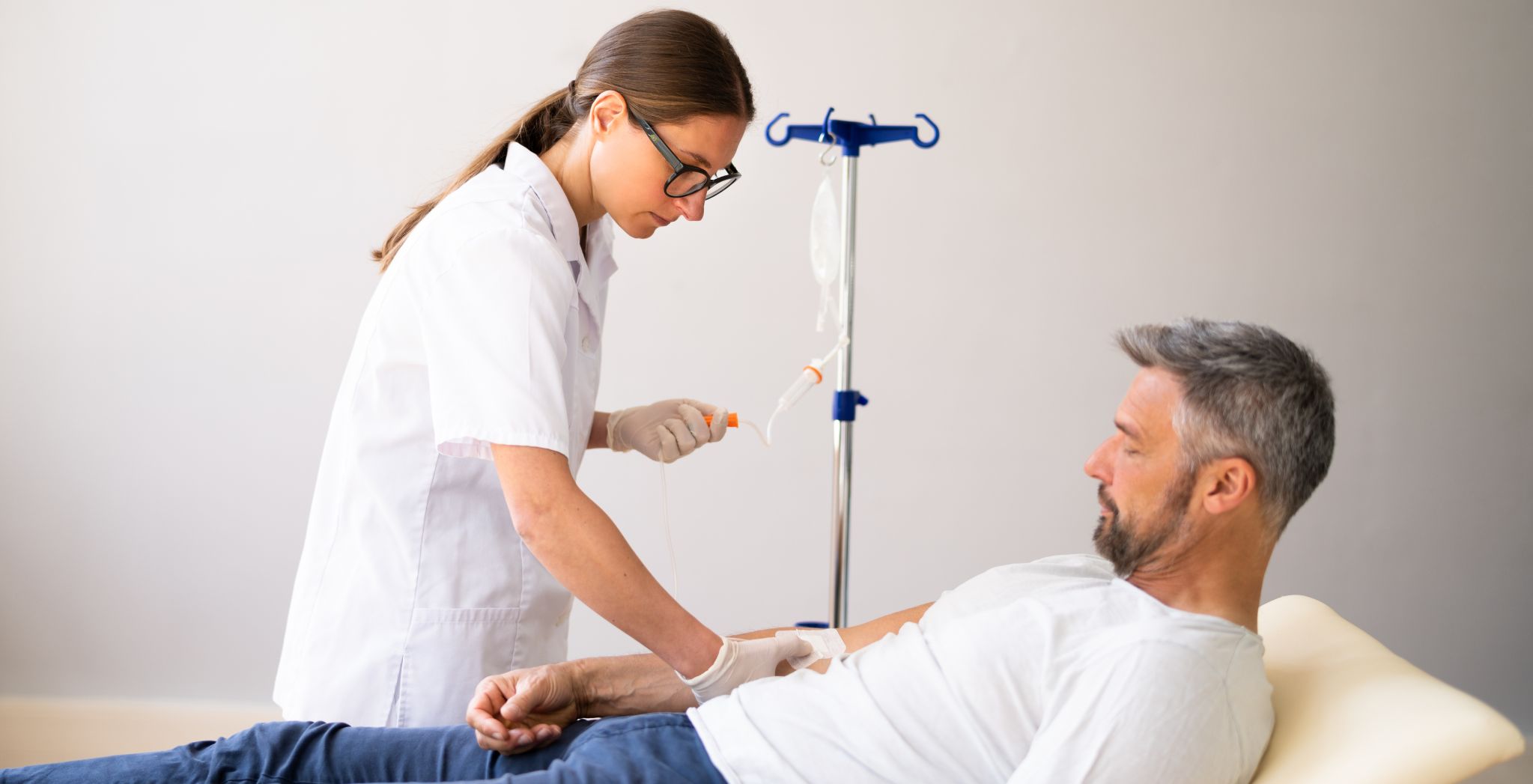
So, how IV infusion therapy works in a clinical setting is relatively simple. The treatment is commonly given through a accessible vein, usually located in the arm or the hand. A healthcare professional carefully inserts a small, flexible catheter into the vein.
Once administered, the infusion enters the bloodstream and immediately begins to circulate through the body. This rapid bloodstream delivery ensures that the administered substances are distributed evenly by the circulatory system, reaching tissues and organs without being filtered out or diminished by the digestive tract.
Types of IV Infusions
While many people associate IV treatments with lifestyle trends like hydration, beauty, or immune booster drips, regenerative IV infusion therapy focuses on advanced cellular support. This approach emphasizes systemic delivery that interacts with the body’s cellular environment rather than standard vitamin mixtures, offering a science-based method for supporting overall regenerative health.
Systemic IV Infusions
Systemic IV infusions are a whole-body approach that delivers umbilical cord-derived cellular products intravenously. This therapy is intended for individuals experiencing widespread discomfort, systemic inflammation, or multiple areas of physical wear, and each treatment begins with a medical evaluation to ensure safety and suitability.
Priming IV
Priming IVs are used in regenerative protocols to prepare the body for cellular therapy. This step optimizes the internal environment to enhance the effectiveness of the main treatment and is not a standalone wellness or hydration drip.
Intravenous IV Administration
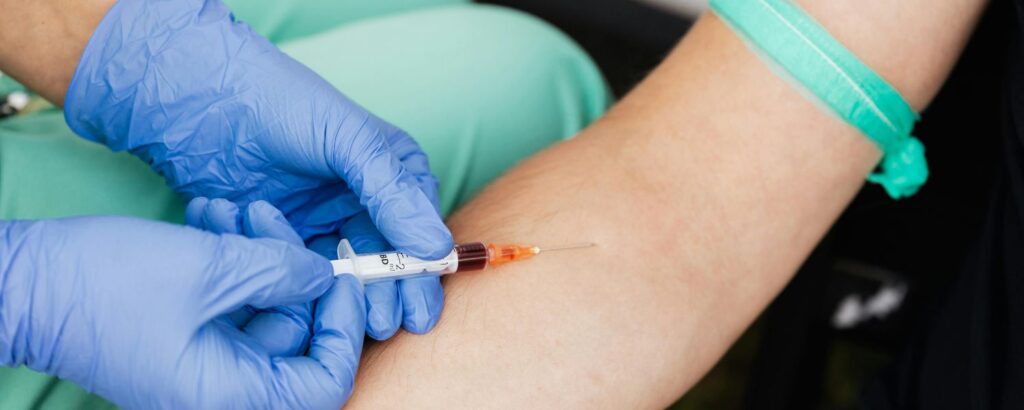
Intravenous IV administration delivers regenerative therapy through a standard needle in a quick, non-invasive session. Treatments typically take 20–30 minutes, require no anesthesia, and allow patients to remain awake, relaxed, and comfortable throughout the process.
IV Infusion Therapy vs Targeted Injections
When exploring regenerative medicine services, patients frequently encounter two primary delivery paths: IV infusion therapy vs injections. Understanding the difference between these two methods is vital for aligning expectations with treatment goals.
- Systemic IV Therapy: This method introduces therapeutic substances or cellular products directly into the bloodstream. Once inside the circulatory loop, the substances travel throughout the entire body. This provides a broader, body-wide systemic delivery that is ideal for addressing multifaceted concerns or generalized physical decline.
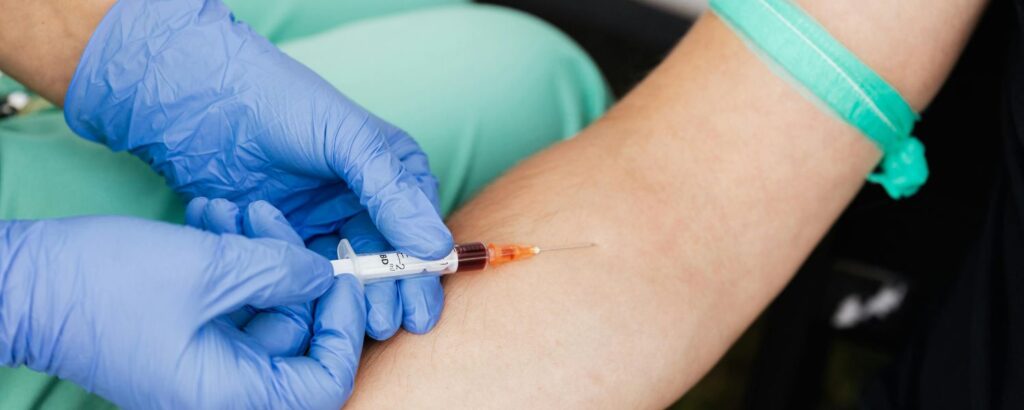
- Targeted Injections: In contrast, regenerative injections are placed directly into a specific area of the body, such as a damaged knee joint, an injured shoulder tendon, or a specific spinal region. The goal here is localized concentration, keeping the therapeutic elements contained within the exact site of injury or degeneration.
Different conditions require different approaches. Systemic fatigue or widespread discomfort may benefit from IV therapy, while localized injuries like a meniscus tear are often treated with targeted injections or PRP therapy for direct tissue healing.
What to Expect During IV Infusion Therapy

Entering a medical clinic for an advanced therapy can feel intimidating if you do not know what lies ahead. Understanding the step-by-step progression of an IV infusion therapy session can help ease anxiety and prepare you for a smooth experience.
Step 1: Consultation and Medical Assessment
Every successful therapy begins long before the infusion itself. The first step is an in-depth consultation and medical assessment, during which clinicians review your medical history, discuss physical challenges, and determine whether systemic cellular therapy is appropriate for your individual needs.
Step 2: Treatment Planning
Once approved for care, a customized treatment plan is established. This plan outlines the specific cellular products to be used, determines whether a priming IV is necessary, and schedules your IV infusion appointment.
Step 3: IV Placement and the Infusion Session
On the day of your appointment, you will be seated in a comfortable treatment chair. A trained medical professional will sanitize your arm or hand, locate a suitable vein, and carefully insert the catheter. The procedure itself is peaceful and typically takes around 20–30 minutes. Because anesthesia is not required, you can read, listen to music, or simply rest while the fluids flow steadily into your system.
Step 4: Aftercare Guidance
Once the IV bag is empty, the practitioner gently removes the catheter and applies a small bandage to the site. Before you leave, the medical team provides personalized aftercare guidance, detailing how to monitor your body in the days following the session and scheduling any necessary follow-up communications.
Conclusion
IV infusion therapy is a modern, systemic approach that delivers therapeutic substances throughout the body, providing comprehensive regenerative support. This method can help reduce inflammation, support cellular health, and promote overall recovery. Individual results may vary, so treatments should always be guided by a professional medical evaluation. Understanding how systemic delivery works allows patients to make informed decisions about incorporating IV therapy into their health and wellness routines.
Frequently Asked Questions
Q1: What does an IV infusion do?
An IV infusion delivers fluids, nutrients, medications, or cellular products directly into a patient’s venous system. By passing directly into the bloodstream, it bypasses the digestive tract completely, ensuring rapid distribution of the administered substances throughout the entire body for systemic exposure.
Q2: Is IV therapy really worth it?
The value of IV therapy depends entirely on an individual’s health goals and the specific substance being delivered. For general hydration, it offers quick recovery, but in regenerative medicine, its value lies in providing a highly efficient, systemic delivery pathway for complex cellular products that could not survive the digestive system.
Q3: What are the three types of IV infusions?
In standard medicine, infusions are often categorized by fluid dynamics (such as continuous, intermittent, or push infusions). In regenerative care, the three common types of IV administration are Priming IVs (used to prepare the body), Systemic IV Infusions (used for body-wide cellular delivery), and standard Intravenous IV Administration (the non-invasive, short-duration delivery process).
Q4: What is an IV infusion used for?
an IV infusion is used to correct dehydration, correct electrolyte imbalances, or deliver medications. In regenerative medicine, it is used as a body-wide delivery system to introduce cellular products to assist with widespread discomfort and systemic inflammation concerns.
Q5: What is the difference between IV and infusion therapy?
The terms are often used interchangeably, but there is a subtle distinction. IV (intravenous) specifies the route of administration, meaning inside a vein. Infusion therapy refers to the broader therapeutic act of delivering a fluid or treatment substance over a controlled period, which is usually done intravenously but can technically occur through other routes in the body.