
Introduction
Back pain is one of those universal human experiences that doesn’t discriminate. Whether you are an athlete pushing your physical limits, a professional spending forty hours a week at a desk, or a parent constantly lifting growing children, the odds are high that you will encounter back discomfort at some point.
It is more than just a physical ache; it is a quality-of-life issue that can dictate your mood, your productivity, and your ability to enjoy the simple moments of your day.
Understanding the “why” behind your pain is the first step toward reclaiming your mobility. When we talk about the causes of back pain, we aren’t just looking at a single event like a fall or a heavy lift.
We are looking at a complex interplay of biology, lifestyle habits, and the natural wear and tear of time. Fortunately, the world of medicine is shifting. While traditional methods like surgery and medication remain common, we are entering an era of regenerative therapy that focuses on healing the body from within.
What Are the Causes of Back Pain?

To fix a problem, you have to understand the mechanics. Your back is a sophisticated structure of bones (vertebrae), discs, ligaments, and muscles all working in harmony to keep you upright and moving. When one piece of this puzzle is misaligned or damaged, the whole system feels it.
1. Muscle and Ligament Strain
This is perhaps the most frequent culprit. Repeated heavy lifting or a sudden awkward movement can strain back muscles and spinal ligaments. If you are in poor physical condition, constant strain on your back can cause painful muscle spasms.
2. Bulging or Ruptured Discs
Discs act as cushions between the individual bones in your spine. The soft material inside a disc can bulge or rupture and press on a nerve. However, it is possible to have a bulging or ruptured disc without back pain; often, these are discovered incidentally during X-rays for other reasons.
3. Arthritis
Osteoarthritis can affect the lower back. In some cases, arthritis in the spine can lead to a narrowing of the space around the spinal cord, a condition called spinal stenosis.
4. Skeletal Irregularities
Conditions like scoliosis, where the spine curves to the side, can lead to back pain, though usually not until middle age.
5. Osteoporosis
Your spine’s vertebrae can develop painful fractures if your bones become porous and brittle.
The Factor of Lifestyle, Injury, and Age
- Age: Back pain becomes more common as you get older, starting around age 30 or 40.
- Lack of Exercise: Weak, unused muscles in your back and abdomen might lead to back pain.
- Excess Weight: Excess body weight puts extra stress on your back.
- Psychological Conditions: People prone to depression and anxiety appear to have a greater risk of back pain.
Triggers of Back Pain: What Sets It Off?

While the causes are the underlying conditions, triggers are the immediate events or habits that spark a flare-up.
- Improper Lifting: Most people lift with their back rather than their legs. This “hinging” at the waist puts an incredible amount of pressure on the lumbar spine.
- Long Hours of Sitting: The human body was designed to move. Sitting for eight hours a day, especially with poor posture, compresses the discs and weakens the core muscles that support the spine.
- Stress: Stress causes your muscles to tense up. If you are chronically stressed, your back muscles stay in a state of semi-contraction, leading to “tension myositis” and chronic fatigue in the muscle tissues.
- Smoking: It sounds unrelated, but smoking reduces blood flow to the lower spine, which prevents the body from delivering enough nutrients to the discs in your back.
Regenerative Treatments: A New Era of Healing

For decades, the standard path for chronic pain was: physical therapy, then painkillers, and finally, invasive surgery. Today, regenerative therapy is changing that trajectory. Instead of just masking the pain or cutting away tissue, regenerative medicine aims to help the body repair itself.
One of the most promising frontiers is stem cell therapy for back pain. This involves using the body’s own signaling cells to jumpstart the repair of damaged tissues, such as worn-down discs or strained ligaments.
Stem Cell Therapy for Neck and Back Pain
The neck (cervical spine) is just as susceptible to wear and tear as the lower back. Stem cell therapy for neck pain is becoming a sought-after alternative for those suffering from degenerative disc disease in the upper spine. By injecting concentrated stem cells into the affected area, doctors can potentially reduce inflammation and promote the growth of healthy new tissue, providing a level of relief that standard steroid injections often cannot match.
The Connection: Hip Pain and Back Pain

It is a common mistake to view the body as a collection of isolated parts. In reality, the hips and the lower back are deeply interconnected. When a patient seeks hip pain treatment, they often discover that their “hip” pain is actually a referred sensation from a lower back issue or vice versa.
Weak or injured hips can cause you to change the way you walk (your gait). This change forces your lower back to compensate, leading to secondary strain. Effective treatments for hip pain, including certain physical therapy routines and regenerative injections, often provide significant relief for lower back symptoms because they restore the natural balance and alignment of the pelvic region.
How Stem Cell Therapy Works for Back Pain

To understand stem cell therapy for back pain, you have to look at the “science of signaling.” Stem cells are essentially the body’s raw materials; all other cells with specialized functions are generated from them.
- Extraction: Cells are typically harvested from the patient’s own bone marrow or adipose (fat) tissue.
- Concentration: These cells are processed in a centrifuge to create a potent concentrate.
- Injection: Guided by advanced imaging (like ultrasound or fluoroscopy), the doctor injects the cells directly into the damaged disc or joint.
Comparisons with Traditional Treatments
Unlike surgery, which often involves removing parts of the bone or fusing vertebrae (which can limit mobility), stem cell therapy is minimally invasive. It doesn’t require a long hospital stay or months of grueling recovery. Furthermore, while medications only treat the symptom of pain, regenerative medicine targets the source of the damage.
This technology is also being applied to nerve health. Stem cell treatment for neuropathy is an emerging field where these cells are used to help repair damaged peripheral nerves, offering hope to those who suffer from the burning and tingling sensations often associated with chronic spinal issues.
Other Treatment Options for Back Pain
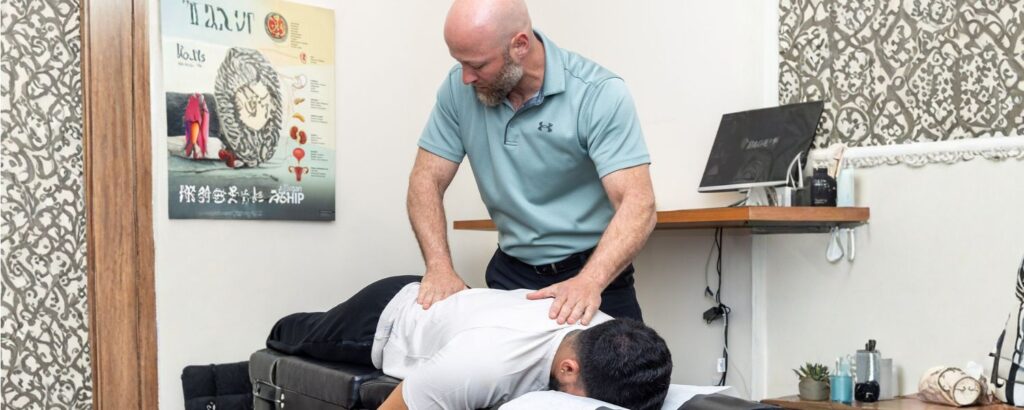
While regenerative medicine is exciting, it is part of a larger toolkit. Most patients find the best results by combining different modalities.
- Physical Therapy: Strengthening the “core”, the muscles around your abdomen and back, is the best long-term defense against future injury.
- Chiropractic Care: Manual adjustments can help restore joint mobility and alleviate pressure on nerves.
- Medications: Over-the-counter anti-inflammatories (NSAIDs) can help manage acute flare-ups, though they are not a long-term solution.
- Acupuncture: Many patients find relief through this ancient practice, which helps stimulate the body’s natural pain-relieving chemicals.
The Importance of a Holistic Approach

Healing your back isn’t a “one and done” event. It requires a holistic approach. This means looking at your life as a whole:
- Ergonomics: Is your desk set up to support your spine?
- Nutrition: Are you eating anti-inflammatory foods that support bone and tissue health?
- Mental Health: Are you managing the stress that causes your muscles to tighten?
By integrating lifestyle changes with advanced therapies like regenerative medicine, you aren’t just managing pain; you are building a more resilient body.
Conclusion
Understanding the causes of back pain is the vital first step toward a pain-free life. Whether your journey involves traditional physical therapy or exploring the cutting edge of regenerative therapy, the goal remains the same: restoring your ability to move freely and without fear.
If you are struggling with chronic discomfort, don’t settle for “just getting by.” Consult with a healthcare professional to explore a personalized plan that might include everything from posture correction to stem cell treatments. Your back supports you every day; it’s time to return the favor.
FAQ Section
Q. What is the most common cause of back pain?
A. The most common cause is muscle or ligament strain, often resulting from improper lifting, poor posture, or sudden movements that the body isn’t prepared for.
Q. How long does it take for stem cell therapy to help with back pain?
A. While some patients feel an improvement in inflammation within a few weeks, the actual tissue repair process usually takes 3 to 6 months to show significant results.
Q. Can stem cell therapy cure back pain?
A. “Cure” is a strong word in medicine. However, stem cell therapy can significantly reduce pain and improve function by repairing damaged tissue, often providing long-lasting relief that allows patients to return to their normal activities.
Q. What other treatments are effective for back pain?
A. Physical therapy, yoga, massage, chiropractic adjustments, and lifestyle modifications (like losing weight or improving ergonomics) are all highly effective.
Q. How does regenerative therapy differ from traditional back pain treatments?
A. Traditional treatments often focus on suppressing symptoms (pills) or structural modification (surgery). Regenerative therapy focuses on biological repair using the body’s own cells to heal the underlying damage.