
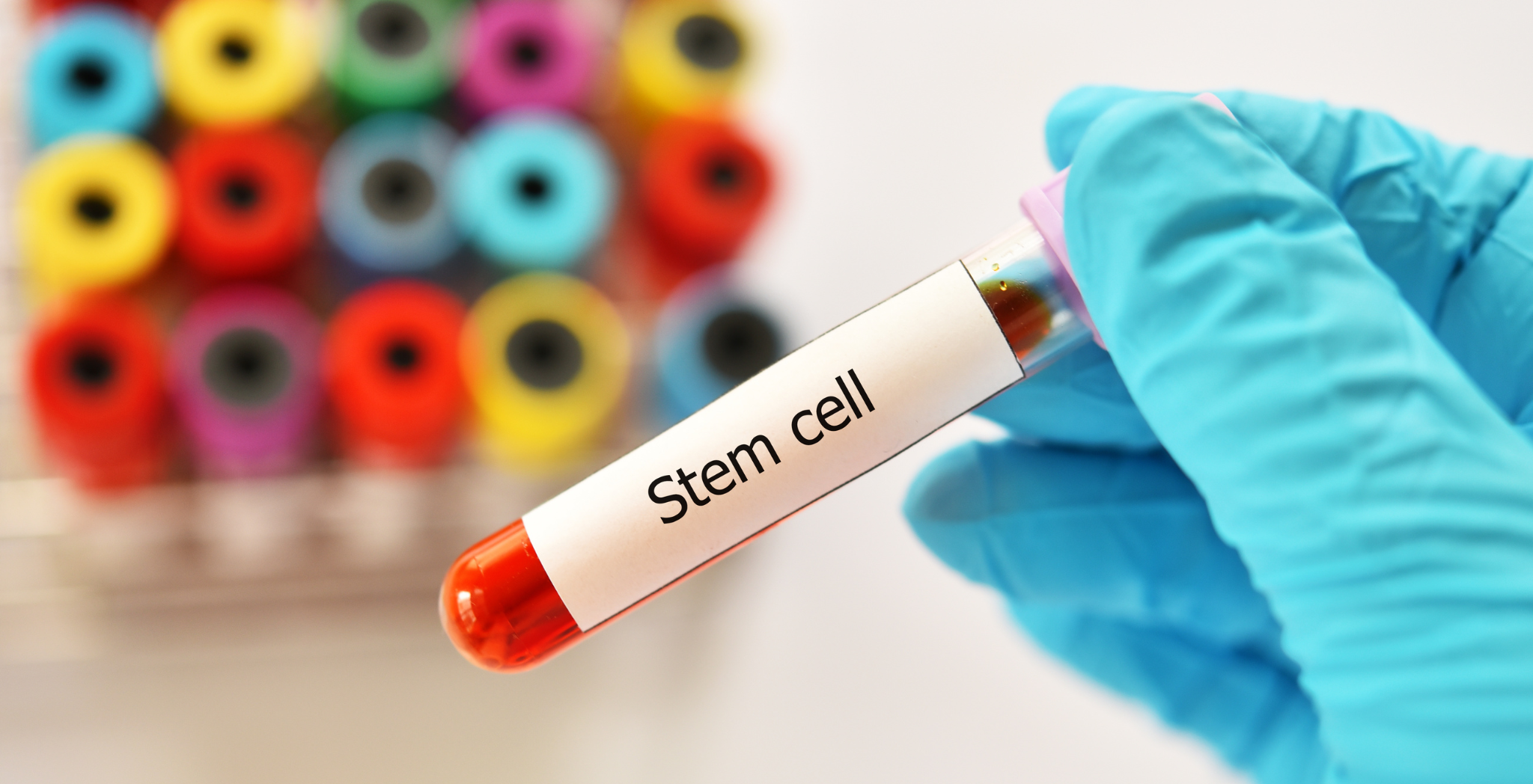
In the world of modern medicine, few topics have generated as much excitement and hope as stem cells. Often referred to as the body’s “master cells,” stem cells are the raw materials from which all other cells with specialized functions are generated. Today, regenerative medicine is shifting the focus from simply managing symptoms to actually repairing the body from within.
If you have been searching for ways to heal chronic injuries, manage pain, or understand the future of healthcare, understanding the advantages of stem cells is a great place to start.
In this blog, we will explore ten life-changing benefits of stem cell therapy and how this technology is reshaping lives.
What Are Stem Cells?
Before diving into the benefits, it is important to understand what these cells actually are. Most cells in your body have a specific job for example, red blood cells carry oxygen, and nerve cells send signals. Stem cells are unique because they are “unspecialized.” This means they have the incredible ability to turn into many different types of cells, such as muscle cells, brain cells, or bone cells.
When the body is injured, stem cells rush to the site of the damage. They can divide to produce more stem cells or transform into the specific tissue needed to fix the problem. Stem cell therapy harnesses this natural “repair kit” and concentrates it to treat specific areas of the body.
Advantage 1: Accelerated Healing
One of the most significant stem cell therapy benefits is the ability to speed up the body’s natural healing process. Traditional treatments for injuries often involve rest, physical therapy, or medication to dull the pain while the body slowly repairs itself.
Stem cell treatments take a proactive approach. By injecting a high concentration of stem cells directly into an injured ligament, tendon, or muscle, doctors can trigger a faster healing response. This is particularly beneficial for athletes or active individuals who want to return to their routine without the long downtime associated with traditional recovery.
Advantage 2: Pain Reduction
Chronic pain, especially in the joints, back, and neck, can be debilitating. Many people rely on long-term use of painkillers, which often come with side effects or the risk of dependency. Stem cell therapy for back pain and joint issues offers a drug-free alternative.
Stem cells work to reduce inflammation the primary cause of pain and repair the underlying damage causing the discomfort. Instead of just masking the pain, stem cells target the source, providing long-lasting relief that improves over time as the tissue regenerates.
Advantage 3: Improved Mobility
Loss of mobility is a common issue as we age or suffer from wear-and-tear injuries. When cartilage in the knees or hips wears down, it leads to stiffness and a “bone-on-bone” sensation that makes movement painful.
Stem cell healing helps by promoting the regeneration of cartilage and reducing joint friction. Patients often report a significant increase in their range of motion. Whether it’s being able to walk up stairs without pain or returning to a hobby like golf or gardening, the restoration of mobility is one of the most practical advantages of stem cells.
Advantage 4: Slows Degenerative Diseases
Degenerative diseases, such as osteoarthritis, Parkinson’s, and multiple sclerosis, involve the gradual breakdown of tissues or nerve cells. For a long time, these conditions were considered irreversible.
While research is ongoing, stem cell therapy has shown promise in slowing the progression of these diseases. By replacing damaged cells with healthy ones, stem cells can help maintain bodily functions for longer periods, significantly improving the outlook for patients facing chronic degenerative conditions.
Advantage 5: Boosts Immune System
The immune system is our body’s defense against infection and disease. However, sometimes the immune system becomes weakened or begins to attack the body (autoimmune diseases).
Stem cells have immunomodulatory properties, meaning they can help regulate and “reset” the immune system. This makes stem cell treatments a powerful tool in treating conditions like lupus or rheumatoid arthritis, where the goal is to calm the overactive immune response and protect healthy tissues from damage.
Advantage 6: Promotes Heart and Cardiovascular Health
Heart disease remains a leading cause of health issues globally. When the heart muscle is damaged perhaps by a heart attack it often forms scar tissue, which doesn’t pump blood as effectively as healthy muscle.
Stem cells can be used to help repair damaged heart tissue and stimulate the growth of new blood vessels. This “revascularization” improves blood flow and heart function, offering a new lease on life for those suffering from cardiovascular complications.
Advantage 7: Enhances Skin Health
Beyond internal medicine, stem cells are making waves in aesthetics. Stem cell hair treatment and skin rejuvenation are becoming popular for their natural results. Stem cells help stimulate collagen production and replace dead skin cells, leading to tighter, more youthful-looking skin.
For those experiencing thinning hair, stem cell therapy can reactivate “dormant” hair follicles, encouraging new, natural hair growth without the need for invasive hair transplants.
Advantage 8: Supports Brain Health
The brain has a limited ability to repair itself compared to other organs. However, stem cell research in neuroregeneration is breaking new ground. Stem cells can help create new neural pathways and protect existing neurons from damage.
This has massive implications for recovering from strokes or traumatic brain injuries. By supporting brain health and repair, stem cells offer hope for restoring cognitive functions that were once thought to be lost forever.
Advantage 9: Minimally Invasive Treatment
Many people fear surgery because of the risks of anesthesia, infection, and long hospital stays. One of the greatest advantages of stem cells is that the procedure is typically minimally invasive.
Most treatments involve a simple injection. The stem cells are often harvested from the patient’s own body (usually from bone marrow or fat tissue), processed, and reinjected on the same day. There are no large incisions, no stitches, and very little risk of “rejection” since the body is using its own cells to heal.
Advantage 10: Improves Overall Quality of Life
The ultimate goal of any medical treatment is to help you live a better, happier life. By combining pain relief, faster healing, and improved physical function, stem cell therapy enhances your overall quality of life.
When you aren’t held back by chronic pain or physical limitations, your mental health improves, your social engagement increases, and you can enjoy your years to the fullest. This holistic improvement is the reason why many consider stem cell therapy to be truly “life-changing.”
Risks and Considerations
While the benefits are vast, it is important to be realistic. Stem cell therapy is a medical procedure, and like any procedure, it carries some risks, such as infection at the injection site or the possibility that the treatment may not work for everyone.
It is also vital to seek treatment from reputable clinics. If you are looking for stem cell therapy Utah or elsewhere, ensure the facility follows strict safety protocols and uses FDA-compliant processes. Always consult with a qualified medical professional to see if you are a good candidate for the procedure.
Conclusion
The advantages of stem cells represent a new era of medicine one where we help the body heal itself rather than just suppressing symptoms. From reducing chronic pain to potentially slowing down degenerative diseases, the impact of these “master cells” is undeniable. As technology advances, regenerative medicine will likely become a standard part of how we approach aging and injury.
Contact us, if you are tired of living with pain or are looking for an alternative to surgery, exploring stem cell treatments could be the first step toward a healthier, more active future.
FAQs
1. What are the main advantages of stem cells?
The main advantages include faster healing, significant pain reduction, improved mobility, and the ability to treat the root cause of an injury rather than just the symptoms. It is also minimally invasive compared to surgery.
2. Are stem cell treatments safe?
When performed by qualified professionals using the patient’s own cells (autologous), the treatments are generally considered very safe. Because the cells come from your own body, the risk of allergic reaction or rejection is extremely low.
3. Which conditions can benefit from stem cell therapy?
Stem cell therapy is commonly used for joint pain (knees, hips, shoulders), back pain, ligament tears, and certain autoimmune and degenerative conditions. It is also used in “stem cell hair treatment” for hair loss.
4. How long does it take to see results from stem cell therapy?
While some patients feel improvement within a few weeks, the most significant results usually appear between 3 to 6 months after the procedure. This is because the cells need time to regenerate and repair the tissue.
5. Can stem cells replace surgery?
In many cases, yes. Many patients use stem cell therapy as an alternative to joint replacement or spinal surgery. However, the effectiveness depends on the severity of the condition, so a consultation with a specialist is necessary.