
Chronic pain is more than just a physical sensation; it is an invisible weight that can severely impact a person’s quality of life. Whether it stems from old sports injuries, the slow progression of arthritis, or complex degenerative diseases, persistent pain makes even the simplest daily tasks feel like monumental hurdles.
When the joy of a morning walk or the ease of playing with your children is replaced by a constant, dull ache or sharp stabs of discomfort, finding an effective solution becomes a priority.
Chronic pain management often requires a multi-faceted approach. While many people start with over-the-counter pills, these often fall short for long-term issues. This is where pain relief injections come into play.
As highly effective non-surgical pain treatments, these injections bridge the gap between basic medication and invasive surgery.
By delivering relief exactly where it’s needed, joint pain relief and overall mobility become achievable goals, allowing patients to reclaim their lives from the grip of persistent discomfort.
What Are Pain Relief Injections?

What are pain relief injections? At their core, these are specialized medical treatments designed to reduce inflammation and alleviate pain in specific, localized areas of the body.
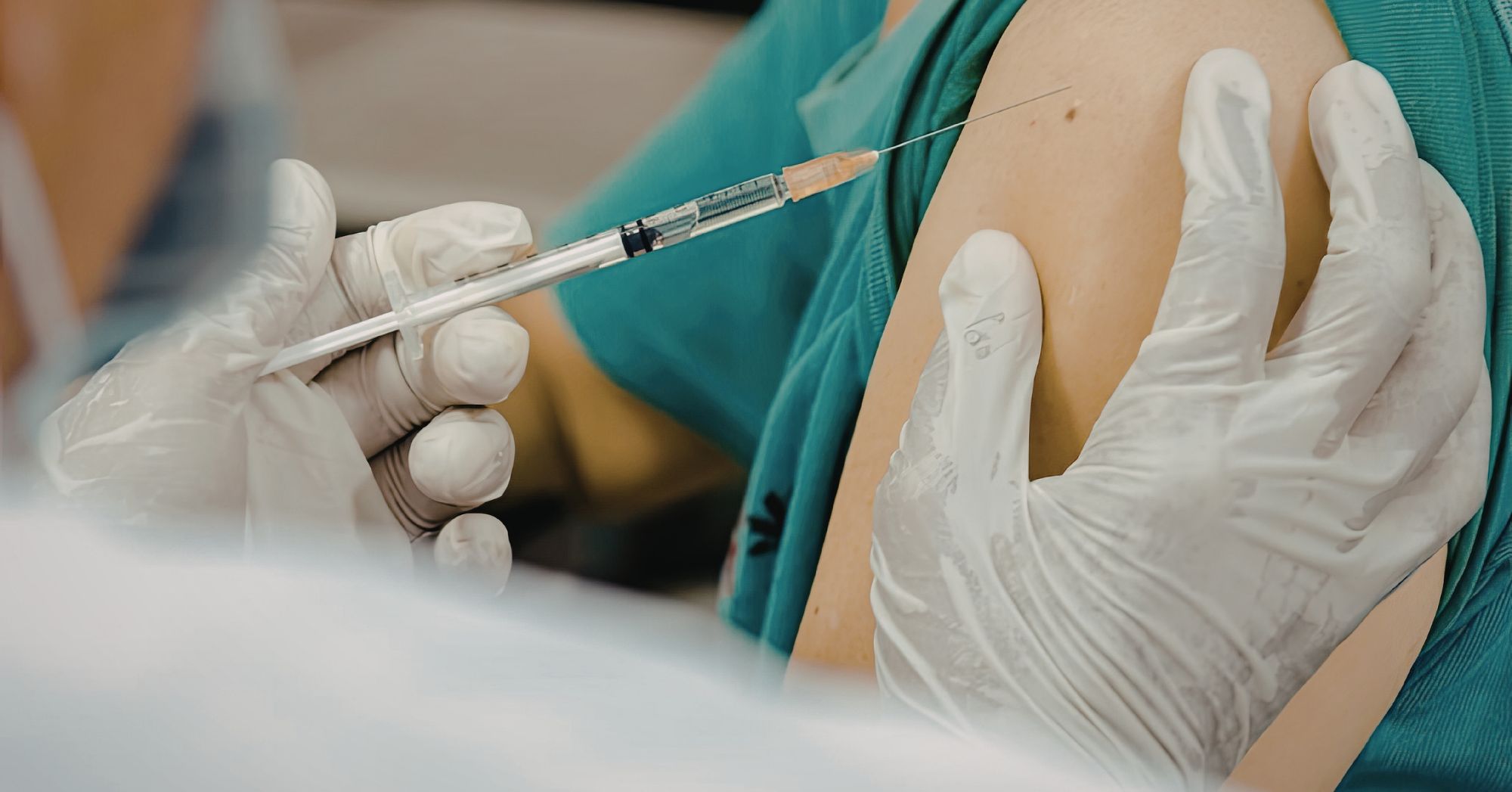
Unlike oral medications that must travel through the digestive system and bloodstream, these pain management injections involve delivering a concentrated dose of medication directly to the ground zero of your discomfort.
By targeting the root of the problem, these treatments offer faster and more potent relief. They are a primary choice for clinicians when a patient’s condition doesn’t respond well to traditional physical therapy or lifestyle changes. There are several types of pain relief injections used today, including:
- Corticosteroid Injections: Powerful anti-inflammatories used for joints and tendons.
- Hyaluronic Acid Injections: Often used as a lubricant for arthritic knees.
- Nerve Block Injections: Used to shut off pain signals from specific nerves.
- PRP Injections for Pain: Using the patient’s own blood to stimulate natural healing.
These injections are particularly useful for localized pain, offering a direct strike against conditions like tendonitis, arthritis, and sciatica.
Types of Pain Relief Injections

Understanding the variety of injections available is key to finding the right treatment plan. Each type serves a unique purpose depending on whether the goal is to numb a nerve, cushion a joint, or heal a tear.
Corticosteroid Injections for Pain
Commonly known as cortisone shots, these are the workhorses of pain management. They work by mimicking the effects of hormones your body naturally produces to fight inflammation. When injected into a joint or near a tendon, they provide a massive reduction in swelling, which is usually the primary driver of pain.
Hyaluronic Acid Joint Injections
Often called viscosupplementation, these are most frequently used for osteoarthritis of the knee. Hyaluronic acid is a naturally occurring substance found in the synovial fluid that surrounds your joints. In an arthritic joint, this fluid thins out. These injections replenish that cushion, acting like a shock absorber to reduce friction and pain.
Nerve Block Injections for Pain
If the pain is caused by a specific nerve such as in the case of a pinched nerve in the back, a nerve block can be used. This injection contains a local anesthetic or a steroid that blocks the pain signals from reaching the brain. It provides immediate, though sometimes temporary, relief and is often used to diagnose the exact source of chronic pain.
PRP Injections for Chronic Pain
Platelet-Rich Plasma (PRP) therapy is a form of regenerative medicine. A doctor draws a small amount of your blood, spins it in a centrifuge to concentrate the platelets (the cells responsible for healing), and injects it back into the injured area. This super-charges the body’s natural repair mechanisms.
IV Infusion for Pain Relief and Intramuscular Injections
While many injections go into joints (intra-articular injections), some are systemic. IV infusions can deliver vitamins, minerals, or specialized medications directly into the bloodstream for widespread conditions like fibromyalgia, while intramuscular injections are often used for deep muscle trigger points.
How Pain Relief Injections Work

The process of receiving an injection is often simpler and faster than patients expect. Here is a step-by-step breakdown of the nerve block injection procedure and other similar treatments:
1. Preparation and Consultation
No two bodies are the same. A healthcare provider begins with a deep dive into your medical history. They assess previous imaging (like X-rays or MRIs) and physical therapy results to ensure the pain relief injections work effectively for your specific anatomy.
2. The Injection Process
The actual procedure usually takes between 5 to 15 minutes. To ensure comfort, a local anesthetic is often used to numb the skin. To ensure the medication reaches the exact spot such as a tiny space in the spine or a deep hip socket the provider may use ultrasound or fluoroscopy (a type of real-time X-ray) to guide the needle with pinpoint accuracy.
3. Medication Delivery
Once the needle is in place, the medication is released. In a hyaluronic acid injection mechanism, the fluid fills the joint space to provide cushioning. In a corticosteroid injection, the medicine begins to calm the chemical fire of inflammation.
4. Results and Recovery
The timeline for results varies. Corticosteroids can provide relief within 24 to 72 hours. The PRP injections process, however, takes longer sometimes weeks because it relies on the biological growth of new tissue. Many patients experience relief that lasts for several months, providing a window of time to engage in physical therapy that was previously too painful to attempt.
Benefits of Pain Relief Injections

Why choose injections over other methods? The benefits are significant for those struggling with long-term mobility issues.
- Fast Pain Relief: For those in acute agony, the speed of an injection is a lifesaver. Unlike pills that take weeks to build up in your system, injections offer fast pain relief by treating the site directly.
- Targeted Pain Management: Traditional medicine is systemic, meaning it affects your stomach, liver, and kidneys even if only your ankle hurts. Injections stay where they are put, minimizing side effects on the rest of the body.
- Non-Invasive Treatment for Pain: Many patients are told they need surgery but aren’t ready for the risks or the long downtime. Injections are office procedures, meaning you can often drive yourself home afterward.
- Long-Lasting Pain Relief: A single successful injection can offer long-lasting pain relief for 3 to 6 months. This allows the body’s tissues to rest and recover without being constantly re-irritated by movement.
- Improved Physical Therapy Outcomes: It is hard to do exercises when you are in pain. By lowering the pain floor, injections make it possible to strengthen the muscles around a joint, which can lead to permanent improvement.
Fast and Targeted Pain Relief

Pain relief treatments have evolved, offering faster and more precise solutions for individuals suffering from chronic pain or injuries. Targeted pain relief injections, such as corticosteroids, hyaluronic acid, and regenerative therapies like PRP (Platelet-Rich Plasma) or stem cell therapy, directly target the source of pain, delivering relief where it’s needed most. Unlike general medications that treat the entire body, these injections focus on the specific area of discomfort, providing immediate and lasting relief by reducing inflammation, promoting healing, and regenerating damaged tissues.
What makes these treatments even more effective is their ability to deliver quick results. Whether it’s for joint pain, tendon injuries, or chronic inflammation, pain relief injections work fast by acting directly on the pain site, often reducing swelling and discomfort within hours to days. With minimized downtime and the convenience of in-home treatments, patients can experience a return to normal activities much quicker compared to traditional treatments. These treatments are designed to target the root cause of the pain, providing effective and sustainable results that allow you to get back to doing what you love.
Frequently Asked Questions (FAQ)
Q1: What are the top 3 pain relief treatments?
The top three non-surgical treatments generally include
Physical Therapy: Involves exercises and manual therapy to improve mobility, strength, and flexibility while reducing pain from musculoskeletal issues.
Pain Relief Injections: Includes corticosteroids, PRP, and hyaluronic acid injections to target inflammation and promote healing in affected areas.
Pharmacological Management: Uses medications like NSAIDs, acetaminophen, or opioids to manage pain, often alongside physical therapy or injections for enhanced relief.
Q2: What are the top 5 pain relievers?
Commonly used pain relievers include:
- Acetaminophen (Tylenol): A widely used over-the-counter medication for mild to moderate pain relief, particularly for headaches, muscle aches, and fever.
- NSAIDs (Ibuprofen/Naproxen): Nonsteroidal anti-inflammatory drugs that reduce inflammation, swelling, and pain, commonly used for conditions like arthritis or injuries.
- Corticosteroids (Injections or oral): Powerful anti-inflammatory medications that help treat conditions like arthritis, tendonitis, or back pain by reducing swelling and inflammation.
- Local Anesthetics (Lidocaine patches or blocks): Numbing agents that target specific areas of pain, often used for localized pain relief in conditions like shingles or nerve pain.
- Topical Creams (Capsaicin or Diclofenac): Creams applied directly to the skin to reduce pain and inflammation, commonly used for conditions like muscle soreness or osteoarthritis.
Q3: Are pain relief injections safe?
Yes, when performed by a qualified specialist using imaging guidance, they are considered very safe. They carry fewer systemic risks than long-term use of heavy oral pain medications.
Q4: How long do pain relief injections last?
It depends on the type. Steroid injections usually last 3 to 6 months. Hyaluronic acid can last up to 6 months. PRP may provide even longer relief by actually repairing the tissue, though it may require multiple sessions.
Q5: What conditions can be treated with pain relief injections?
They are highly effective for osteoarthritis, rheumatoid arthritis, herniated discs, sciatica, carpal tunnel syndrome, plantar fasciitis, and chronic back or neck pain.