
In the world of modern medicine, we are moving away from simply managing symptoms and toward actually fixing the problem at its source. Cellular repair therapy is a groundbreaking treatment designed to accelerate recovery and promote deep tissue regeneration.
Rather than relying on synthetic chemicals or invasive hardware, this approach uses the body’s own biological building blocks to jumpstart the healing process. By leveraging the innate power of your own cells, this therapy encourages natural healing, making it a powerful alternative to surgery and long-term medication.
Whether you are struggling with nagging joint pain relief or looking to bounce back from a sports injury, regenerative medicine offers a pathway to restoration that works with your biology, not against it.
What is Cellular Repair Therapy?

If you’ve ever wondered what is cellular repair therapy, think of it as a biological reset button. At its core, it is a branch of regenerative medicine that utilizes the body’s own cells often PRP therapy (platelet-rich plasma) to repair damaged tissues and accelerate the healing process.
Standard treatments often focus on suppressing inflammation with steroids or replacing joints with metal and plastic. In contrast, cellular therapy is a non-invasive healing method.
It works by identifying areas where the body’s natural repair signals have gone quiet and re-introducing a high concentration of healing agents.
This stimulates tissue regeneration, reduces chronic inflammation, and improves blood circulation in the affected areas. It is a natural, safe, and highly effective alternative for those seeking a return to their active lifestyle without the risks associated with major surgery.
How Cellular Repair Therapy Works
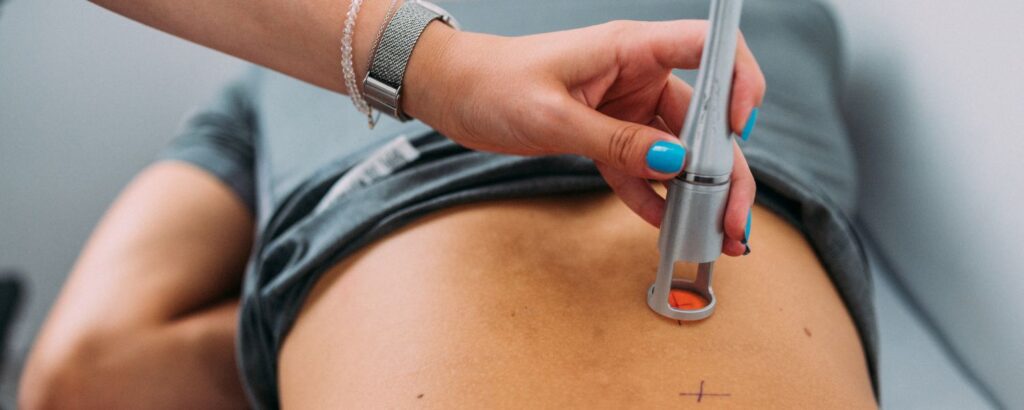
The magic of this treatment isn’t in a lab-made drug, but in the sophisticated PRP therapy process and stem cell therapy .The goal is to take the repairmen of your body and put them exactly where they are needed most. How cellular repair therapy works can be broken down into three main phases:
Cell Harvesting: First, the essential cells are collected from the patient’s own body. For stem cell treatments, these are often gathered from bone marrow or adipose (fat) tissue. For PRP, a simple blood draw is performed.
Processing: Once collected, the sample is placed in a specialized centrifuge. This machine spins the sample at high speeds to isolate and concentrate the most potent healing elements, such as growth factors and mesenchymal stem cells.
Injection/Infusion: Finally, these concentrated cells are injected directly into the injured or degenerated site under ultrasound or fluoroscopic guidance.
Once injected, these cells begin to communicate with the surrounding environment, releasing signaling proteins that recruit other healing cells to the site. This leads to true tissue regeneration with cells, providing a solution for conditions like chronic back pain, osteoarthritis, and stubborn sports injuries.
Benefits of Cellular Repair Therapy

Choosing regenerative options over traditional surgery offers several life-changing advantages. Here are the primary benefits of cellular repair therapy:
- Accelerates Healing: Traditional healing relies on the body’s resting metabolic rate. Cellular therapy provides a booster shot of resources, leading to faster healing times for both acute injuries and post-surgical recovery.
- Reduces Pain and Inflammation: Unlike painkillers that just block signals to the brain, this therapy targets the source. It achieves significant pain reduction with cellular therapy by calming the inflammatory environment within a joint or muscle.
- Non-Invasive: There are no large incisions, no general anesthesia, and no hospital stays. This significantly lowers the risk of complications like blood clots or infections.
- Long-Lasting Results: Because the therapy focuses on rebuilding the tissue rather than just masking the discomfort, it offers a long-lasting recovery. Patients often find that their mobility continues to improve months after the initial procedure.
Conditions Treated by Cellular Repair Therapy
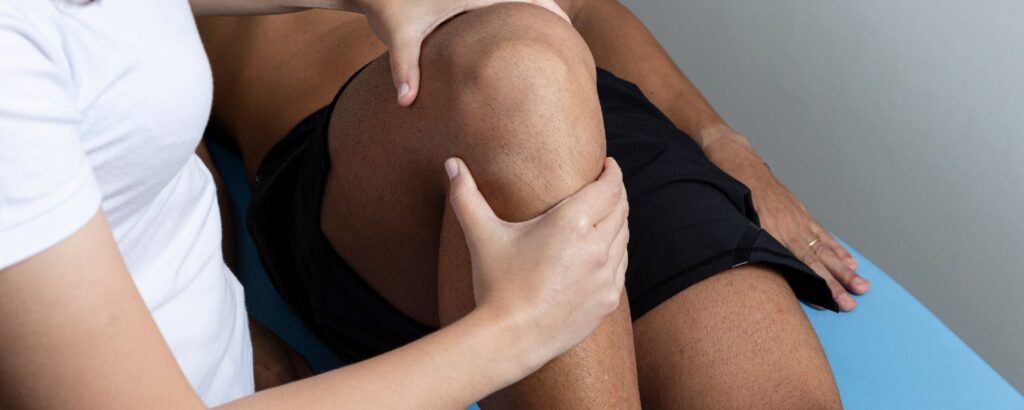
This versatile treatment is becoming the gold standard for various orthopedic and soft tissue issues.
- Joint Pain & Arthritis: For those with bone-on-bone friction, cellular repair therapy for joint pain can be a game-changer. It helps regenerate damaged cartilage and improves the lubrication within the joint capsule.
- Sports Injuries: Athletes frequently use these treatments for muscle tears, ligament damage, or meniscus issues. Sports injuries treated with cellular therapy often heal with stronger, more resilient tissue.
- Chronic Back Pain: Degenerative disc disease and facet joint arthritis respond well to these injections, facilitating chronic back pain recovery without the need for spinal fusion.
- Tendon and Ligament Injuries: Tendons naturally have poor blood supply, which is why they heal so slowly. Tendon repair with stem cells or PRP bypasses this limitation by delivering healing factors directly to the tear.
What is to Expect During Cellular Repair Therapy

Cellular therapy starts with a comfortable consultation and evaluation, which may include imaging (like MRI or X‑ray) and a physical exam to ensure you’re a good candidate. The procedure, from extraction to injecting the concentrated cells, usually takes 1 to 2 hours. Additionally, the service offers in‑home regenerative treatments, where licensed medical providers bring consultations and treatments like umbilical‑cord‑derived cellular injections or IV regenerative protocols directly to your home.
After the procedure, there’s minimal downtime. You may feel soreness for up to 48 hours, but most patients can return to light activities right away. Post‑treatment care involves avoiding anti‑inflammatory medications briefly to support your body’s natural healing response. These treatments are commonly sought for joint pain, knee, hip, shoulder, spine discomfort, and other musculoskeletal concerns, with personalized medical assessments and follow‑ups for recovery.
Conclusion
Cellular repair therapy represents a massive shift in how we approach human health. It is an innovative, non-invasive treatment that can significantly accelerate the healing process for various injuries and conditions. By harnessing the power of your own cells, this therapy offers long-lasting relief from pain, improves mobility, and helps regenerate damaged tissues that were once thought to be permanently worn down.
The future of medicine is here, and it is centered on the body’s incredible ability to fix itself when given the right tools. If you’re in Utah and dealing with chronic pain, joint issues, or sports injuries, cellular repair therapy may be the solution you’ve been looking for. Don’t let pain dictate your limits consult with a healthcare provider to see if this breakthrough treatment is right for you.
Frequently Asked Questions (FAQ)
Q1: What is the biggest problem with regenerative medicine?
The biggest challenge currently is the lack of standardized insurance coverage. Because it is considered innovative, many private insurers still categorize it as elective, meaning patients often pay out-of-pocket. Additionally, the quality of results depends heavily on the expertise of the provider and the equipment used to process the cells.
Q2: What foods boost cellular repair?
A diet rich in antioxidants and anti-inflammatory compounds supports the work of the therapy. Focus on omega-3 fatty acids (fatty fish, walnuts), colorful berries (blueberries, raspberries), leafy greens, and high-quality proteins. Staying hydrated and reducing processed sugars is also essential for maintaining a healthy cellular environment.
Q3: How many sessions are needed for optimal results?
This varies by individual. Some patients experience significant relief after just one treatment, while others particularly those with chronic, long-term conditions may benefit from a series of 2 or 3 sessions spaced several months apart.
Q4: Is cellular repair therapy safe for everyone?
Generally, yes, because it uses your own biological material, which eliminates the risk of rejection. However, people with active systemic infections, certain blood cancers, or specific clotting disorders may not be eligible. Always consult a specialist to review your medical history.
Q5: Where can I get cellular repair therapy in Utah?
In Utah, Happy Valley Regeneration offers specialized cellular repair therapy, helping patients recover from injuries, chronic pain, and tissue damage. Their expert team provides tailored treatments using the latest regenerative techniques. For more information, visit their website to see how they can help you get back to the life you love.