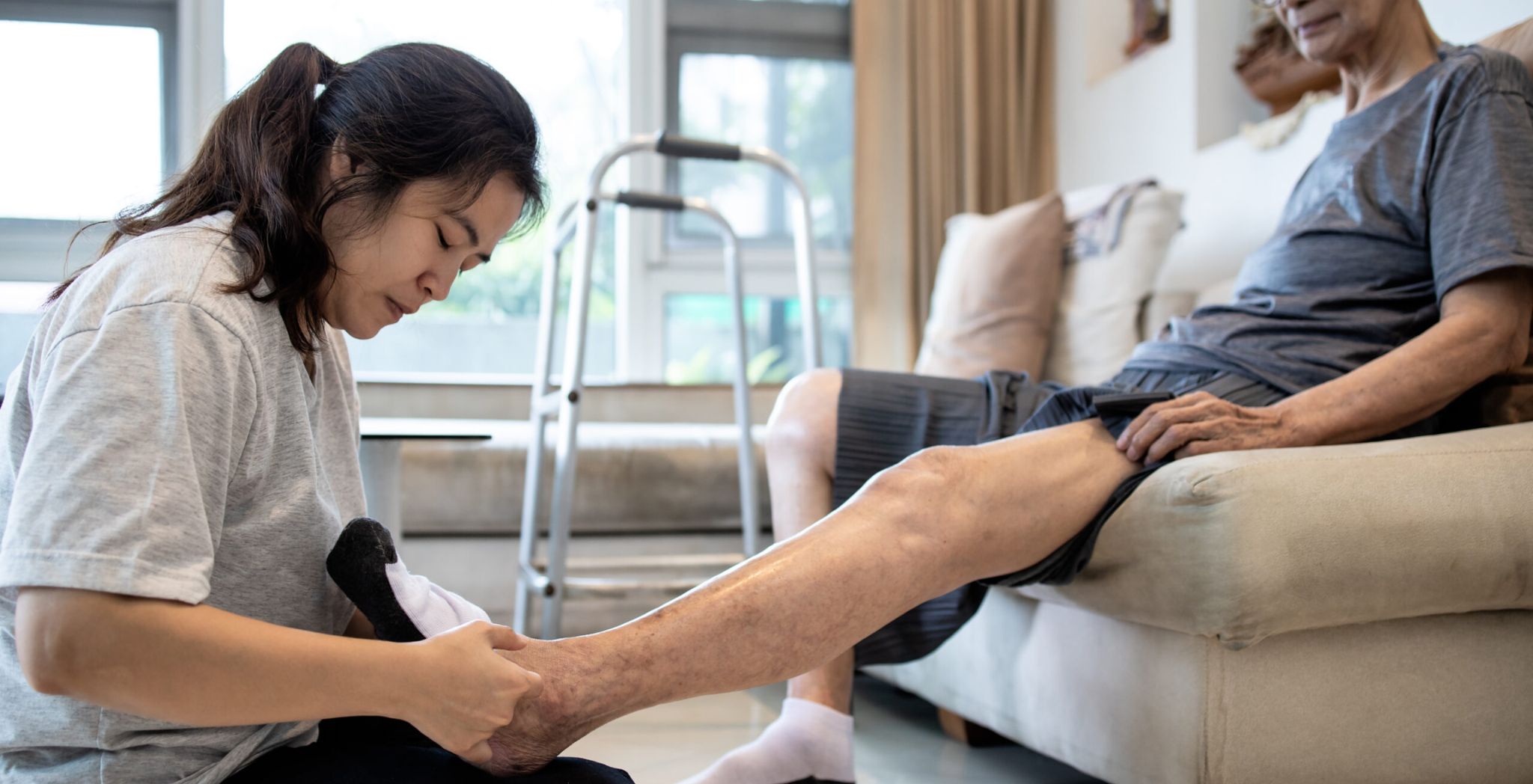
Introduction Every day, millions of people wake up with burning feet, tingling hands, or sharp stabbing pain that makes even simple tasks feel impossible. This is the reality of neuropathy – a condition where the nerves that carry signals between your brain and the rest of your body get damaged or stop working properly. Neuropathy […]
Read More
The role Umbilical Cord Mesenchymal Stem Cells (UC-MSC) play in nerve damage regeneration and pain management
We've all had those moments, gazing out a window, dreaming of fantastical abilities – flight, underwater breathing. While we may not possess superpowers, nature has provided us....
Read More
The many benefits of MSCs on bone flaws and cartilage damage
It’s just a fact of life that as you get older, pains start to creep up in places they didn’t used to be. Joints begin to ache from just a little use, and getting up from your favorite chair, or...
Read More
Embracing Graceful Aging: The Role of UC-MSCs
As we navigate the journey of aging, maintaining vitality and well-being becomes paramount. At Happy Valley, we're exploring innovative approaches to support healthy physical aging.....
Read More
Revolutionizing Autoimmune Treatment: Targeting Peyer’s Patches with UC-MSCs and Exosomes
Autoimmune diseases, where the body's immune system mistakenly attacks healthy tissues, present a significant challenge. At Happy Valley, we're exploring cutting-edge regenerative medicine approaches to address these conditions....
Read More
Beyond Organ Transplants: The Transformative Potential of UC-MSC Transplantation
While organ transplantation has revolutionized medicine, a less familiar yet equally powerful approach is stem cell transplantation. At Happy Valley, we're exploring the vast potential of this therapy to address a wide range of medical conditions....
Read More