
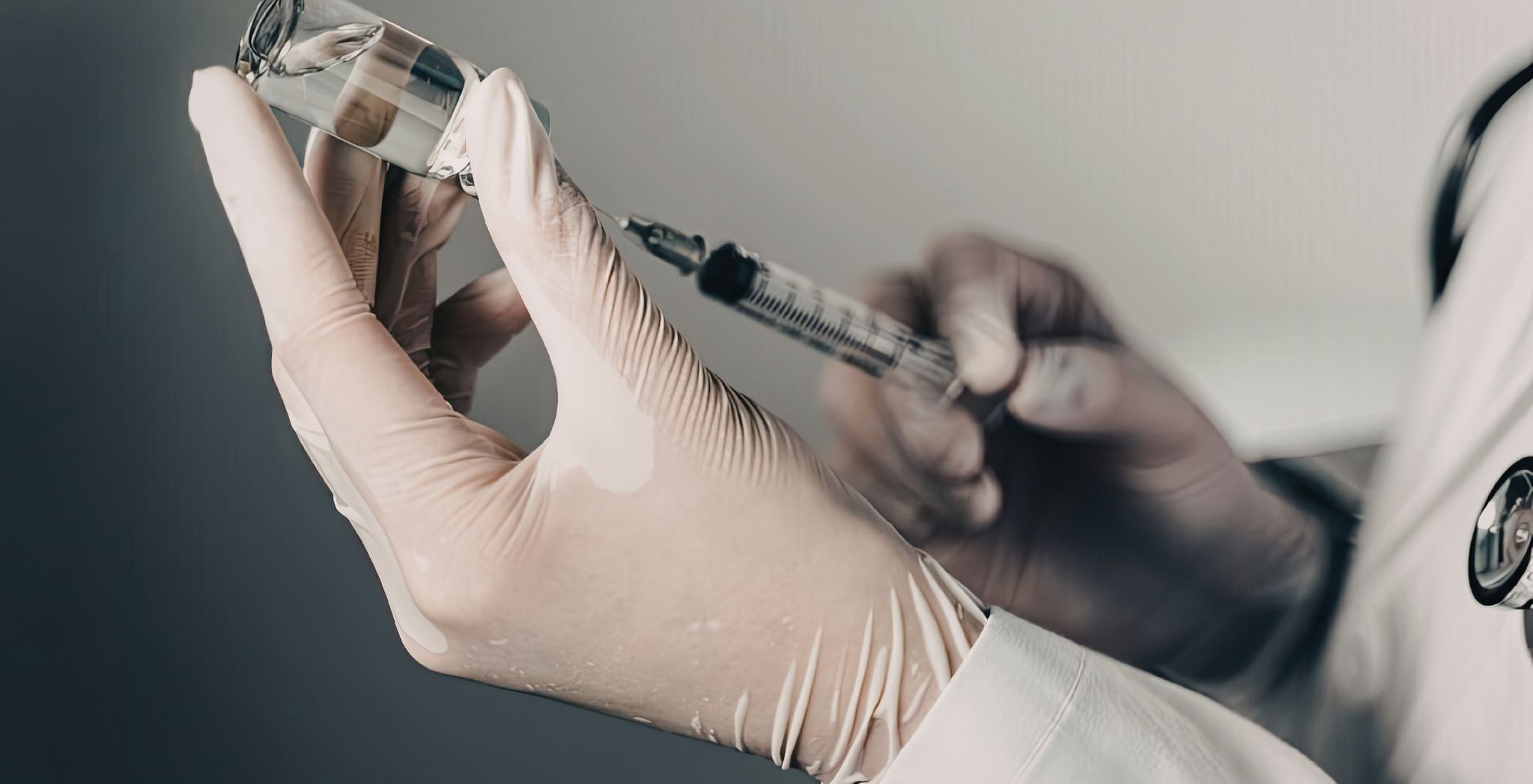
Living with persistent physical discomfort can feel like an uphill battle that never ends. Whether it is a dull ache in your lower back, sharp stabs in your knee, or a stiff shoulder that refuses to loosen up, pain changes how you experience the world.
For many, the road to feeling better often feels limited to two extremes: taking daily pills that might cause stomach upset or undergoing invasive surgery with a long recovery time. However, there is a middle ground that is gaining significant momentum.
Injection treatment has emerged as a powerful, non-surgical pain treatment option for those seeking direct relief.
Rather than waiting for oral medication to circulate through the entire bloodstream, pain relief injections deliver help exactly where it is needed. This targeted approach is often used for chronic pain management, joint pain relief, and recovery support.
By addressing inflammation and discomfort at the source, injection therapy helps many people regain their mobility and get back to the activities they love without the need for a hospital stay or scalpels. When recommended by a qualified healthcare provider, these treatments can be a turning point in your healing journey.
What Is Injection Treatment?
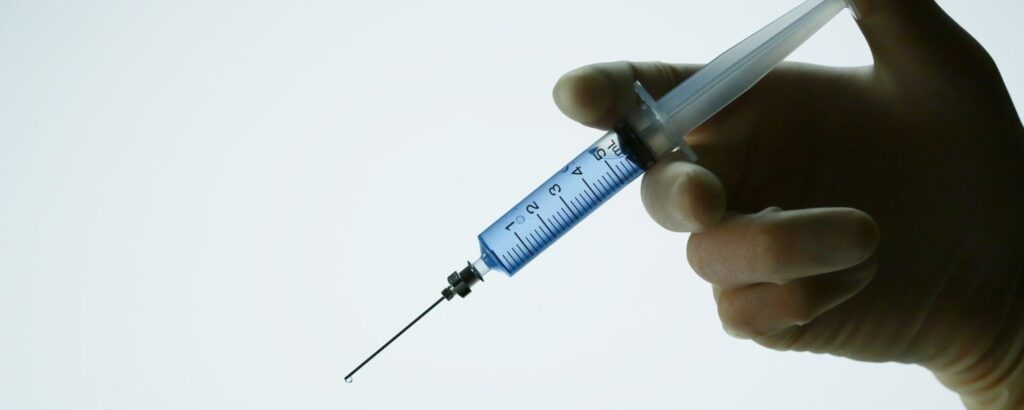
In the simplest terms, what is injection treatment? It is a medical technique where therapeutic substances are delivered via a needle directly into a specific part of the body, such as a joint, muscle, or near a nerve.
Think of it as a direct delivery system. While a pill has to be digested and processed by the liver before it reaches your aching hip, an injection skips the detour.
Injection therapy is highly versatile. It isn’t just one thing; it is a category of care that involves delivering medications, nutrients, or regenerative solutions to soothe hot spots of pain.
Whether you are dealing with medical injections for pain to calm down a flared-up tendon or targeted injection treatment to help a stiff neck, the goal is the same: to reduce symptoms and support the body’s natural ability to function.
It is a bridge between conservative care, like physical therapy, and more intense surgical interventions.
Types of Injection Treatment
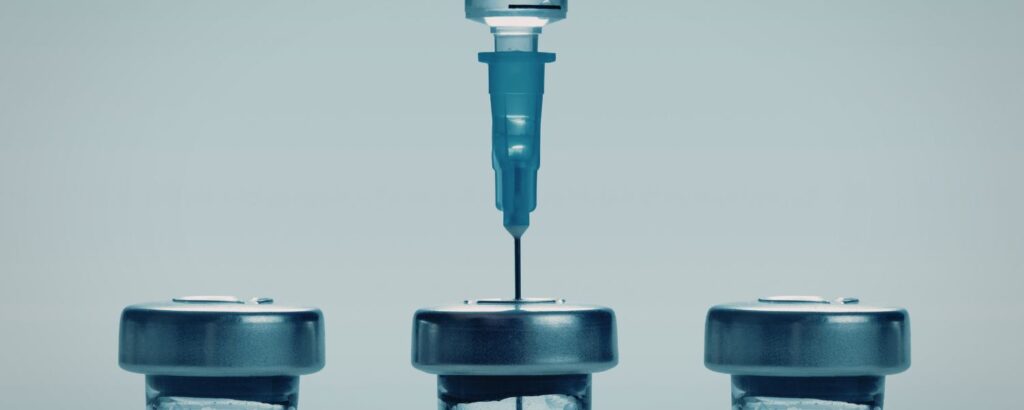
Not all pain is the same, so the fuel inside the syringe varies based on what your body needs. Here are the most common types of injection treatment used today:
- Stem Cell Injection Therapy: Stem cell therapy is a form of regenerative medicine designed to support repair and recovery in targeted areas of the body. Depending on the patient’s needs, stem cells may be delivered through direct injection into a joint or affected area, or through IV therapy as part of a broader wellness-focused treatment plan.
- PRP Injection Treatment (Platelet-Rich Plasma):PRP stands for Platelet-Rich Plasma. This treatment uses a concentrated portion of your own blood platelets, which contain growth factors that support tissue repair. The PRP is injected into the affected area to help support the natural healing process in tendons, ligaments, joints, or soft tissues.
- IV or Intramuscular Injections: These injections may be used to deliver vitamins, nutrients, fluids, or medications directly into the body. IV injections go into the bloodstream, while intramuscular injections are delivered into the muscle.
How Injection Treatment Works

The injection treatment process is built on the logic of precision. When you visit a provider for injection therapy for pain, the process usually begins with a thorough evaluation. Your doctor will look at your history and perhaps use an ultrasound or X-ray to see exactly where the trouble lies.
The pain injection procedure works in a few different ways depending on the substance used. For instance, some injections work by chemically cooling down inflamed tissue. Others work by blocking the electrical signals in your nerves, essentially telling the brain to stop feeling the pain in that specific spot. Others still, like regenerative options, provide the raw materials your body needs to repair microscopic tears in your tissues. By providing targeted pain relief, these treatments allow the patient to move more freely, which often makes other treatments, like physical therapy, much more effective.
Conditions Injection Treatment May Help With

Because injections can be placed almost anywhere in the musculoskeletal system, they are used for a wide range of issues. Pain management injections are commonly recommended for:
- Arthritis: Specifically injection treatment for arthritis in the hands, knees, and hips to manage flare-ups.They can also support better mobility for people who struggle with walking, gripping, or bending due to arthritis pain.
- Back and Neck Pain: Injection treatment for back pain (like epidurals) can help with herniated discs or sciatica.They may also help improve movement and make it easier to return to normal daily activities.
- Joint Issues: Including injection treatment for knee pain or shoulder impingement.These treatments may be helpful when pain makes it difficult to walk, lift, stretch, or stay active.
- Sports Injuries: Such as tennis elbow, Achilles tendonitis, or rotator cuff strains.This may help athletes and active individuals recover faster and return to movement with less discomfort.
- Muscle Pain: Relieving those painful trigger points in the upper back and neck.The injection may help relax the muscle, reduce tension, and improve range of motion.
- Nerve Pain: Managing the pins and needles or burning sensations caused by pinched nerves.They may also provide relief for conditions where nerve compression affects the back, neck, arms, or legs.
While these treatments are highly effective for many, it is important to remember that they are part of a broader recovery plan and not a magic wand that works the same way for everyone.
What to Expect During Injection Treatment

If you’ve never had an injection procedure before, it is normal to feel a little nervous. The process usually starts with a consultation, where your provider reviews your symptoms, checks your range of motion, and discusses your treatment goals. This helps determine whether injection treatment may be suitable for concerns such as joint pain, knee discomfort, hip pain, shoulder stiffness, or other movement-related issues.
Before the injection, the treatment area is cleaned, and a numbing agent may be used to make the process more comfortable. The injection is then placed into the targeted area, sometimes with imaging guidance for better accuracy. For people dealing with joint pain, this targeted approach may help deliver support directly to the affected joint, helping reduce discomfort and improve movement.
The procedure is usually quick and often takes only a short time. Afterward, you may be advised to rest or keep activity light for 24 to 48 hours. Mild soreness or swelling at the injection site can happen, but it is usually temporary. Some people may feel relief within a few days, while treatments like PRP may take a few weeks as the body responds and supports the healing process.
Conclusion
Injection treatment stands as a sophisticated, yet accessible, non-surgical pain treatment that bridges the gap between basic home care and major surgery. By delivering relief directly to the source, it offers a path to manage chronic pain, soothe arthritis, and support joint pain relief with minimal disruption to your life. While it isn’t a one-size-fits-all cure, its ability to reduce inflammation and improve mobility makes it a cornerstone of modern recovery support.
Every body is different, and the success of any treatment depends on an accurate diagnosis and a personalized plan. If you are tired of living with pain that limits your daily movement, it may be time to look beyond the pill bottle. We encourage you to schedule a consultation with a qualified professional to see if injection therapy is the missing piece in your journey toward a more active, pain-free life.
Frequently Asked Questions (FAQ)
Q1: What is injection treatment used for?
It is primarily used to reduce localized pain, decrease inflammation, lubricate joints, or promote tissue healing in areas like the spine, joints, and muscles.
Q2: Is injection treatment painful?
Most patients describe it as a quick pinch and pressure sensation. Numbing creams or local anesthetics are often used to make the process as comfortable as possible.
Q3: How long does injection treatment take to work?
It depends on the type. Corticosteroids can work in 2–5 days, while hyaluronic acid or regenerative treatments like PRP may take several weeks to provide noticeable improvement.
Q4: How long do injection treatment results last?
Results can vary from a few weeks to several months. Some people find that one or two injections provide long-term relief when combined with physical therapy.
Q5: Who is a good candidate for injection treatment?
People with localized pain that hasn’t responded well to rest or oral medication, but who are not yet ready for or do not require surgery, are often ideal candidates.