Introduction
The human body is a remarkable self-healing machine. When you cut your finger, your skin grows back. When you break a bone, new tissue forms to mend it. But what happens when the damage goes deeper, when joints wear down, nerves stop functioning properly, or chronic pain becomes a daily reality? That is where cellular regeneration therapy steps in.
Cellular regeneration therapy is one of the most talked-about advances in modern medicine. It works with the body’s own natural processes rather than against them. Instead of just masking pain or managing symptoms, this approach targets the root cause of tissue damage and supports real, lasting recovery.
Over the last decade, regenerative treatments have moved from research labs into real clinical settings. More patients dealing with joint pain, nerve conditions, back problems, and sports injuries are now turning to these therapies as a genuine alternative or complement to traditional medicine. The growing interest is not just hype; it is backed by a deeper understanding of how our cells work and how we can help them work better.
What Is Cellular Regeneration Therapy?

At its core, cellular regeneration therapy is a medical approach that focuses on repairing or replacing damaged cells, tissues, and organs using biological methods. Rather than relying solely on surgery or long-term medication, it uses the body’s own biological tools to drive healing from within.
To understand this better, think about what happens when tissue gets damaged. Cells die, inflammation sets in, and the body sends repair signals. In healthy, young bodies, this process works reasonably well. But as we age, or when damage is too severe, the body’s repair system struggles to keep up. Cellular therapy essentially gives the body a boost, helping it do what it already knows how to do, only more efficiently.
There are different types of cellular therapy, and they work in slightly different ways. Some approaches involve using stem cells, which are unique because they can develop into many different types of cells the body needs. Others involve growth factors, platelet-rich plasma, or other biological agents that signal the body to ramp up its repair processes.
What sets cellular regeneration therapy apart from traditional treatments is its focus on rebuilding rather than just relieving. Traditional approaches often manage pain through anti-inflammatory drugs, cortisone injections, or surgery. These can be helpful, but they do not always address the underlying tissue damage. Regenerative therapy aims to actually fix what is broken.
How Cellular Regeneration Therapy Works

The process begins with identifying where the damage is and what type of tissue is affected. A thorough evaluation helps doctors understand whether the problem is in cartilage, muscle, nerve tissue, spinal discs, or somewhere else entirely.
Once the area of damage is identified, the appropriate regenerative approach is selected. In many cases, this involves harvesting biological material such as stem cells from the patient’s own bone marrow or fat tissue and concentrating it before reintroducing it into the damaged area. The body recognizes this material as its own and uses it to begin repairing damaged structures.
Stem cells are particularly powerful in this process because of their flexibility. They can receive signals from surrounding tissue and adapt to become the specific type of cell that is needed, whether that is cartilage, bone, muscle, or nerve tissue.
Other techniques use growth factors and signaling proteins to wake up the body’s dormant repair pathways. Even without directly injecting new cells, these methods encourage existing cells in the damaged area to multiply and repair faster.
The beauty of this process is that it works with the body’s natural biology. It does not introduce foreign chemicals or synthetic materials. It is amplifying what the body already does, just giving it the tools and support to do it more effectively.
Benefits of Cellular Regeneration Therapy

One of the most significant benefits people notice is faster tissue repair. Because the therapy directly supports the cellular mechanisms behind healing, recovery can be meaningfully quicker compared to waiting for the body to manage on its own or relying on treatments that only address pain.
Reduction in inflammation is another important benefit. Chronic inflammation is at the root of many painful conditions, from arthritis to nerve damage to degenerative disc disease. Regenerative therapies can calm inflammatory pathways at the cellular level, offering relief that feels more natural and less dependent on ongoing medication.
Improved mobility and physical function are also commonly reported outcomes. When damaged cartilage starts to regenerate, or when inflamed tendons begin to heal, movement becomes less restricted and less painful. Many patients who struggled to perform basic daily activities have reported significant improvements in their range of motion and overall comfort.
The recovery process following regenerative treatment tends to be smoother than after surgery. There are no incisions, no lengthy hospital stays, and no surgical risks. Most procedures are minimally invasive, often involving simple injections into the target area.
Perhaps most importantly, cellular regeneration therapy may support long-term healing outcomes. Because it targets the biological cause of damage rather than just the symptoms, there is a better chance of durable improvement, not just temporary relief that fades once treatment stops.
Uses of Cellular Regeneration Therapy
Joint Pain Treatment
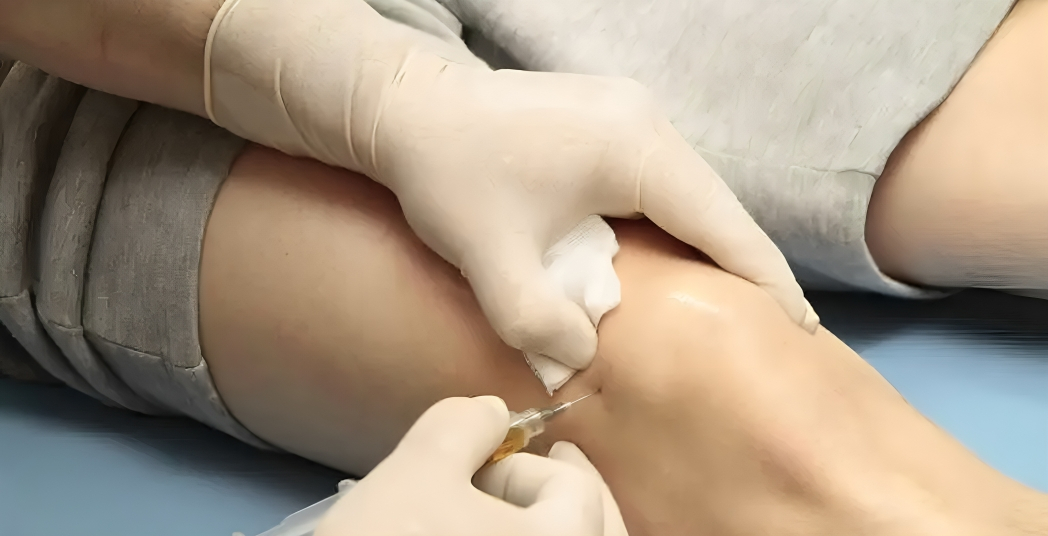
One of the most common applications is joint pain treatment. Conditions like osteoarthritis, where cartilage gradually breaks down, are notoriously difficult to treat with conventional approaches. Regenerative therapy introduces biological material that can slow cartilage breakdown and, in some cases, support new cartilage formation. Patients dealing with knee, hip, shoulder, or ankle pain have found meaningful relief through this approach.
Stem Cell Therapy for Back Pain
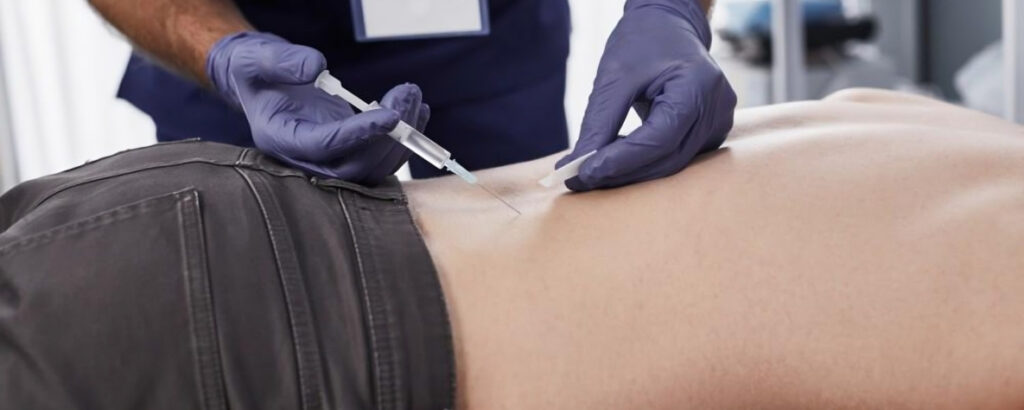
Back pain is one of the leading causes of disability worldwide, and conventional treatments ranging from physical therapy to spinal surgery do not always deliver lasting results. Stem cell therapy for back pain targets the damaged structures directly, whether that involves a degenerating disc, a damaged facet joint, or injured soft tissue. By introducing regenerative cells into the affected spinal area, the therapy aims to restore normal structure and reduce the pain signals generated by damaged tissue.
Stem Cell Treatment for Neuropathy
Neuropathy, or nerve damage, is a condition where nerves stop functioning properly, often causing numbness, tingling, burning sensations, or weakness. It is common in patients with diabetes, chemotherapy side effects, or certain autoimmune conditions. Stem cell treatment for neuropathy works by attempting to repair damaged nerve tissue and improve nerve signal transmission. While this remains an active area of research, early results have been encouraging for many patients who found little relief through standard treatments.
Sports Injuries and Recovery
Athletes put enormous stress on their bodies, and injuries to tendons, ligaments, and muscles are common. Regenerative therapy has become a popular tool in sports medicine because it supports faster healing without the need for invasive surgery. Professional athletes in particular, have embraced these treatments to get back on the field faster and more fully healed.
Chronic Condition Management
Beyond acute injuries, cellular therapy is increasingly being explored for managing long-term chronic conditions, including rheumatoid arthritis, degenerative joint disease, and even certain neurological disorders. The goal is not just short-term relief but slowing the progression of disease and maintaining quality of life over time.
Cellular Therapy vs Traditional Treatments
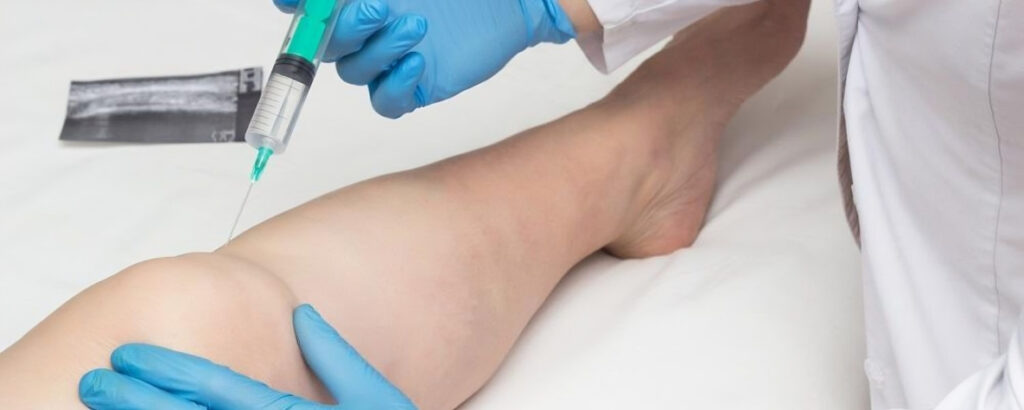
Traditional medicine has made extraordinary advances, but it tends to focus on managing the consequences of disease rather than reversing the underlying biological damage. Pain medications reduce the sensation of pain but do nothing to heal the tissue causing it. Surgery can remove or restructure damaged anatomy, but it comes with risks, recovery time, and the possibility that the underlying problem continues.
Cellular therapy represents a philosophical shift. The focus moves from “how do we stop this from hurting” to “how do we actually fix what is damaged.” This does not mean traditional treatment has no place; in fact, regenerative approaches are often used alongside conventional care. But the difference in approach is meaningful, especially for patients who have not found lasting relief through standard methods.
Recovery time with regenerative therapy is generally shorter than with major surgery, and because it is minimally invasive, the risk profile is significantly lower. The effectiveness tends to build over time as the body completes its repair process, which is different from the immediate but sometimes temporary relief offered by medications or injections like corticosteroids.
Conditions Commonly Treated

Cellular regeneration therapy is used across a wide range of conditions. Joint and muscle injuries, including tears, sprains, and overuse damage, are among the most common. Degenerative conditions like arthritis and disc disease are also frequently treated. Nerve-related issues such as neuropathy and certain types of chronic pain respond to these therapies as well. Soft tissue damage in tendons, ligaments, and cartilage is particularly well suited to regenerative approaches.
What to Expect During Treatment

The process typically starts with a comprehensive consultation where the doctor evaluates the extent and nature of the damage. Imaging tests, physical examination, and a review of medical history all inform the treatment plan.
The procedure itself is generally straightforward and performed on an outpatient basis. In most cases, biological material is either harvested from the patient or prepared from a processed source, then carefully injected into the target area using imaging guidance for precision. The entire process may take a few hours.
Following the procedure, patients are advised on activity restrictions and follow-up care. The healing process unfolds over weeks to months, with many patients noticing gradual but steady improvement during that time.
Who Can Benefit from Cellular Regeneration Therapy

Anyone dealing with persistent pain, slow-healing injuries, or degenerative conditions may be a candidate. People who want to avoid surgery or reduce dependence on long-term pain medication often find this approach appealing. Athletes looking to optimize recovery and active individuals wanting to maintain their physical lifestyle are also well-suited to these treatments.
Conclusion
Cellular regeneration therapy represents a meaningful evolution in how we approach healing. By working with the body’s own biological systems rather than simply suppressing symptoms, it offers a path toward genuine, lasting recovery for a wide range of conditions, from joint pain and back problems to nerve damage and chronic injuries.
The science behind it continues to advance, and so does the range of conditions it can address. For anyone tired of treatments that only manage pain without resolving its source, regenerative therapy is worth a serious conversation with a qualified medical professional.
Choosing the right treatment approach is always personal and depends on individual health circumstances. But the core principle of cellular regeneration therapy that the body has the capacity to heal, and that we can support that process at the cellular level, is both scientifically grounded and deeply encouraging.
Frequently Asked Questions
1. What is cellular regeneration therapy used for?
A. Cellular regeneration therapy is used to support healing in damaged tissues, reduce pain, and improve overall function across a variety of conditions, including joint damage, nerve issues, and chronic pain.
2. How does cellular regeneration therapy work?
A. It works by stimulating the body’s natural ability to repair and regenerate cells, often using biological material such as stem cells or growth factors to restore damaged tissues from within.
3. Is cellular regeneration therapy effective for joint pain treatment?
A. Yes, it is commonly used to help reduce joint pain and improve mobility by promoting cartilage repair and reducing inflammation in the affected area.
4. Can cellular therapy help with back pain?
A. Cellular therapy, including stem cell therapy for back pain, may support healing in damaged spinal structures and reduce the discomfort associated with disc degeneration and related conditions.
5. Is cellular regeneration therapy safe?
A. When performed by qualified medical professionals, cellular regeneration therapy is considered a low-risk treatment. Because it largely uses the patient’s own biological material, the risk of rejection or adverse reaction is minimal. As with any medical procedure, a thorough evaluation beforehand is essential to ensure it is appropriate for the individual patient.