PRP therapy (Platelet-Rich Plasma) is a breakthrough treatment gaining popularity for chronic pain, injuries, and even hair loss.
Using your body’s own platelets, this therapy accelerates healing and reduces inflammation, offering a natural alternative to surgery or long-term medication.
Unlike synthetic drugs that simply mask symptoms, platelet-rich plasma therapy addresses the root cause of the issue by stimulating the body’s internal repair system.
In this blog, we will explore PRP therapy, explain how PRP therapy works, and highlight its various benefits, risks, and who can benefit from it.
Whether you are recovering from an injury or dealing with persistent joint discomfort, PRP injections may provide the relief you need for faster recovery and long-term healing.
Let’s dive into the world of natural healing with PRP and see how this regenerative medicine is changing the landscape of modern healthcare.
What Are the Most Common Injuries Treated by PRP Therapy?
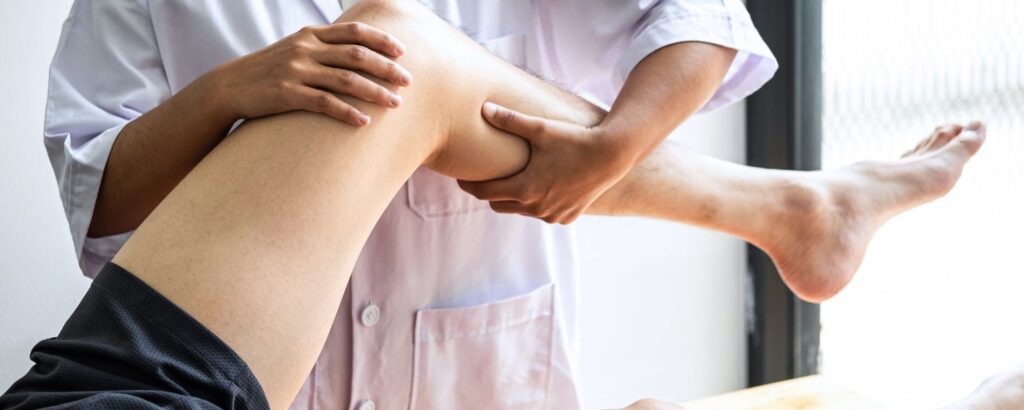
PRP therapy is widely used for treating injuries and conditions that involve tissue damage and inflammation. Because it delivers a concentrated dose of growth factors directly to the site of an injury, it is particularly effective for areas with poor blood supply, such as tendons and cartilage. Common conditions treated with PRP therapy include:
- Knee Pain and Osteoarthritis: One of the most researched areas of this treatment is PRP for knee pain. It helps regenerate cartilage and reduce inflammation in knees affected by arthritis, often delaying the need for more invasive surgeries like total knee replacements.
- Tendon Injuries: Chronic tendon injuries treated with PRP, such as Achilles tendonitis, tennis elbow, and rotator cuff tears, often show significant improvement. These “wear and tear” injuries usually heal slowly on their own, but PRP provides the necessary biological boost.
- Sports Injuries: Athletes frequently turn to PRP for sports injuries to get back on the field faster. It aids recovery from acute muscle strains and ligament injuries by shortening the natural inflammatory phase.
- Joint Pain: Beyond the knees, chronic pain in hips, elbows, and shoulders often categorized as PRP therapy for arthritis can be managed effectively with these injections.
- Hair Loss: In the world of aesthetics, hair restoration with PRP has become a gold standard. PRP injections stimulate dormant hair follicles, increase blood flow to the scalp, and promote thicker, healthier hair growth.
What Is the PRP Therapy Process?
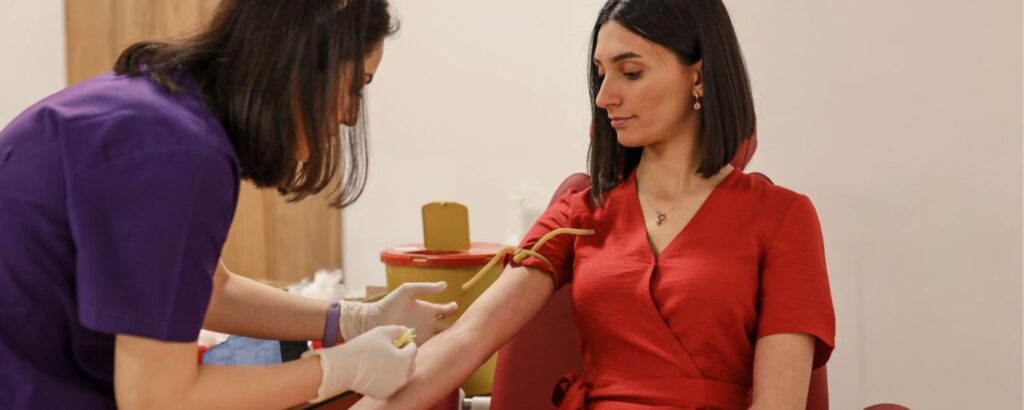
The PRP therapy process is straightforward, but it requires precision and specialized equipment. Unlike complex surgeries, the PRP injection procedure is performed in an office setting and usually takes less than an hour from start to finish. Here is how it works:
1. Blood Collection
The process begins with a simple blood draw, much like a routine lab test. A small amount of blood (typically 15 to 60 ml) is taken from the patient’s arm.
2. Processing (Centrifugation)
The blood is placed in a device called a centrifuge. This machine spins at high speeds to separate the blood components based on their density. The goal is to isolate the platelets and plasma from the red blood cells. By the end of this cycle, the concentration of platelets is significantly higher than what is normally found in the blood.
3. Injection
Once the concentrated PRP is prepared, it is ready for the PRP therapy procedure. A healthcare provider injects the plasma into the affected area be it a knee joint, a damaged tendon, or the scalp. In many cases, ultrasound guidance is used to ensure the needle reaches the exact spot where the tissue damage is located.
Once injected, the platelets release growth factors that act as “signaling molecules.” They call on the body’s repair cells (stem cells) to migrate to the area, helping repair tissue and reduce inflammation, which is essentially how PRP therapy works at a cellular level.
Benefits of PRP Therapy

Choosing platelet-rich plasma over traditional methods comes with several distinct advantages. Here are the primary benefits of PRP therapy:
- Pain Reduction: By addressing the underlying inflammation, PRP for pain relief provides a more sustainable solution than temporary cortisone shots.
- Faster Healing: By flooding the injury site with growth factors, PRP jumpstarts the biological clock. This leads to accelerated tissue regeneration with PRP, allowing patients to return to their daily routines sooner.
- Improved Mobility: As the therapy regenerates tissue and strengthens joints, many patients report a significant increase in their range of motion and physical function.
- Non-Invasive: Because it is a needle-based treatment, there is no need for general anesthesia or hospital stays. It is a minimally invasive option with virtually no “down-time.”
- Long-Term Relief: Unlike some treatments that offer a quick fix, PRP therapy recovery often leads to lasting benefits because it enhances the body’s actual ability to heal itself.
What to Expect During PRP Therapy

Knowing what to expect can ease any anxiety regarding the Platelet-Rich Plasma procedure.
Consultation and Preparation
Before undergoing the treatment, a thorough consultation is required to assess your medical history and eligibility. You may be advised to stop taking anti-inflammatory medications (like ibuprofen or aspirin) for a week or two before the procedure, as these can interfere with the platelets’ natural inflammatory response which is necessary for the healing process to begin.
The Procedure
The entire visit generally lasts between 60 to 120 minutes. Most of that time is spent processing the blood. The actual injection takes only a few minutes. While some patients feel minor discomfort during the injection, local numbing agents are often used to ensure the process is as painless as possible.
Post-Treatment Care
Regarding PRP aftercare, patients are typically advised to rest the treated area for a few days. You should avoid strenuous activities or heavy lifting for at least a week to allow the growth factors to “settle in.” Mild soreness, redness, or swelling at the injection site is common but usually resolves within 48 to 72 hours.
Risks and Side Effects of PRP Therapy
While PRP therapy risks are minimal compared to surgery, it is important to be aware of potential issues. Because the treatment uses your own blood, the risk of an allergic reaction or “rejection” is non-existent. However, some minor PRP side effects include:
- Injection Site Reactions: Temporary swelling, bruising, or a “fullness” sensation at the site of the injection.
- PRP Treatment Limitations: It is important to have realistic expectations. PRP may not work for everyone, particularly those with severe “bone-on-bone” joint degeneration or certain chronic autoimmune conditions.
Combining PRP with Stem Cell Therapy
In some cases, PRP therapy is combined with stem cell therapy for enhanced healing. Stem cells can promote tissue regeneration and repair in more severe injuries, offering another layer of support to the healing process. Like PRP, stem cell therapy uses natural regenerative cells, often harvested from your own body (e.g., from fat tissue or bone marrow), to encourage healing. When combined, these therapies can enhance the repair of damaged tissues and accelerate recovery.
Frequently Asked Questions (FAQ)
Q1: How long does a PRP shot last?
The effects of a PRP injection can vary. For many, the relief lasts anywhere from six months to over a year. Because it promotes actual healing, the results are often more “permanent” than a steroid shot, though maintenance treatments may be needed for chronic conditions like arthritis.
Q2: What is the downside of PRP?
The main downsides are that it is often not covered by insurance (as it is considered “experimental” by some providers) and that results are not instantaneous. It takes time for tissues to regenerate, so you might not feel the full benefit for several weeks.
Q3: Is PRP actually worth it?
For patients looking to avoid surgery, reduce their reliance on pain medication, or treat stubborn injuries that haven’t responded to physical therapy, PRP is often considered highly worth it. It has a high success rate for soft tissue injuries.
Q4: Who should avoid PRP?
You should avoid PRP if you have a low platelet count, active infection, certain types of cancer, or severe systemic diseases. It is also less effective for heavy smokers, as smoking impairs the body’s healing response.
Q5: Where should I get PRP Therapy in Utah, United States?
For those in Utah seeking professional, safe, and tailored treatment, Happy Valley Regeneration is the premier destination. They specialize in PRP therapy, helping clients overcome chronic pain and repair damaged tissues using regenerative techniques like stem cell therapy. Visit Happy Valley Regeneration for more details.
Conclusion
PRP therapy is an effective, non-invasive treatment that promotes healing and provides relief from chronic pain, tendon injuries, joint pain, and even hair loss. By harnessing the body’s natural regenerative abilities, PRP therapy not only offers long-term relief but also ensures a high level of safety with minimal downtime.
If you’re seeking a natural, effective solution for chronic pain or injuries, PRP therapy might be the right choice for you. Instead of simply managing pain, you’re giving your body the necessary tools to rebuild and heal. For more information on how PRP therapy can help you, visit Happy Valley Regeneration and explore how regenerative medicine can enhance your recovery.