Introduction
Shoulder pain is more than just a minor inconvenience; it is a barrier to living a full life. Whether it is the sharp sting of a rotator cuff tear or the dull, persistent ache of osteoarthritis, shoulder issues can make simple tasks like reaching for a coffee mug or getting dressed feel like Herculean feats. For years, the traditional medical path was predictable: physical therapy, followed by cortisone shots, and eventually, the daunting prospect of major surgery.
However, the landscape of modern medicine is shifting. Stem cell shoulder treatment has emerged as a groundbreaking alternative, offering a bridge between temporary fixes and invasive procedures. By leveraging the body’s own natural healing mechanisms, this “cellular therapy” is helping thousands of people regain their mobility and live pain-free lives without the risks associated with the operating table.
What Is Stem Cell Shoulder Treatment?
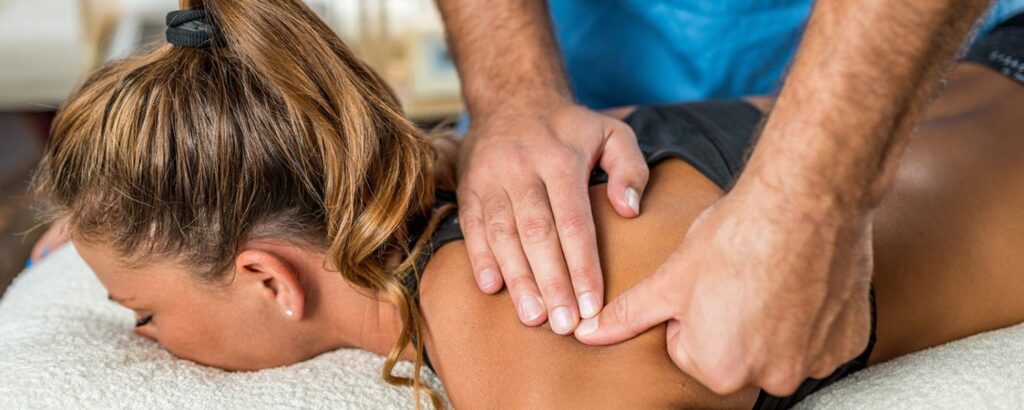
At its core, stem cell shoulder treatment is a form of regenerative medicine. Unlike traditional treatments that focus on masking pain or surgically repairing mechanical issues, stem cell therapy aims to fix the damage at a biological level.
Stem cells are essentially the body’s “master cells.” They are unique because they have the ability to transform into various types of specialized cells, such as cartilage, bone, or muscle cells. When injected into a damaged shoulder joint, these cells act as a biological repair kit.
Tissue Regeneration and Healing
In the shoulder, stem cells target areas of wear and tear. If you have a frayed tendon or thinning cartilage, the stem cells migrate to the site of injury. Once there, they release signaling proteins (growth factors) that reduce inflammation and stimulate the growth of new, healthy tissue.
Autologous vs. Allogeneic Cells
There are two primary ways stem cells are sourced for these treatments:
- Autologous Stem Cells: These are harvested from your own body usually from bone marrow (Bone Marrow Aspirate Concentrate or BMAC) or adipose (fat) tissue. Because the cells are yours, there is zero risk of rejection.
- Allogeneic Stem Cells: These are derived from a donor, often from umbilical cord tissue or amniotic fluid after a healthy birth. These “younger” cells are sometimes preferred for older patients whose own stem cells may be less potent.
Benefits of Stem Cell Shoulder Treatment

Choosing stem cell therapy over conventional surgery offers a variety of advantages that extend beyond just “avoiding the knife.”
1. Significant Pain Relief
The primary goal for most patients is ending the constant ache. Stem cells are naturally anti-inflammatory. Instead of a temporary steroid shot that wears off in weeks, stem cells work to heal the underlying cause of the inflammation, providing deeper and more sustainable pain relief.
2. Restored Mobility
A stiff shoulder can freeze your life. By repairing the soft tissues and improving the lubrication within the joint, stem cell therapy helps restore the “glide” to your shoulder movement. Patients often report a significant increase in their range of motion, allowing them to return to sports like golf, tennis, or swimming.
3. Non-Invasive and Minimal Risk
Surgery involves general anesthesia, large incisions, and a high risk of infection or blood clots. Stem cell therapy is a needle-based procedure. It is performed in an office setting under local anesthesia, meaning you walk in and walk out the same day.
4. Long-Term Healing
Traditional surgery often involves “fixing” a problem with screws or synthetic materials that can wear out over time. Stem cell therapy promotes long-term healing by creating living tissue. The regenerative process continues for months after the injection, often leading to improvements that last for years.
How Does Stem Cell Shoulder Treatment Work?
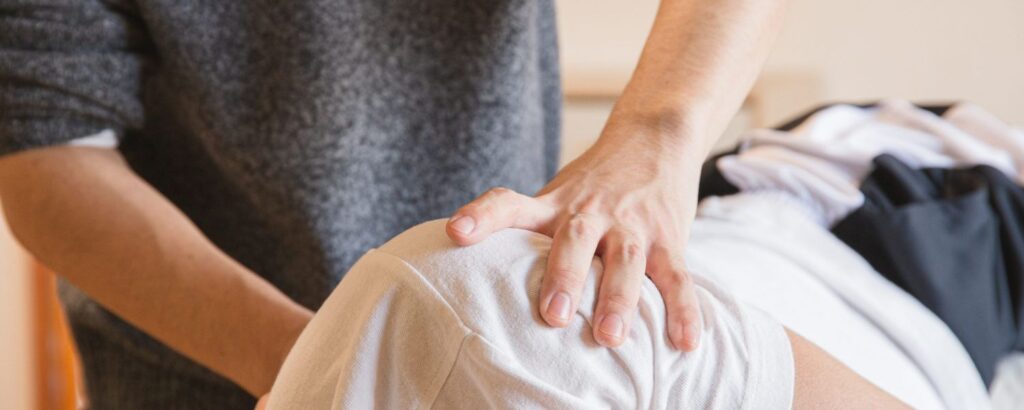
If you are considering this treatment, understanding the step-by-step process can demystify the experience and ease any anxiety.
Step 1: Stem Cell Harvesting
The process begins by collecting the “raw materials.” If using autologous cells, a doctor will perform a quick extraction.
- Bone Marrow: Usually taken from the back of the hip bone using a specialized needle.
- Adipose Tissue: Collected via a mini-liposuction procedure, typically from the abdomen or “love handles.”
Step 2: Preparation and Concentration
The collected tissue is placed in a centrifuge, a machine that spins at high speeds. This process separates the concentrated stem cells and growth factors from the rest of the blood or fat. This “concentrate” is what holds the healing power.
Step 3: The Injection
Using advanced imaging technology like ultrasound or fluoroscopy (live X-ray), the physician guides a needle directly into the damaged area of the shoulder. Precision is key here; the cells must be placed exactly where the damage is, whether that’s the subacromial space, the labrum, or the rotator cuff tendons.
Step 4: The Regeneration Phase
Once injected, the cells don’t work overnight. They begin a biological “conversation” with the surrounding environment. Over the next 2 to 12 weeks, they begin to rebuild collagen and cartilage, gradually strengthening the joint from the inside out.
Stem Cell Therapy for Other Areas
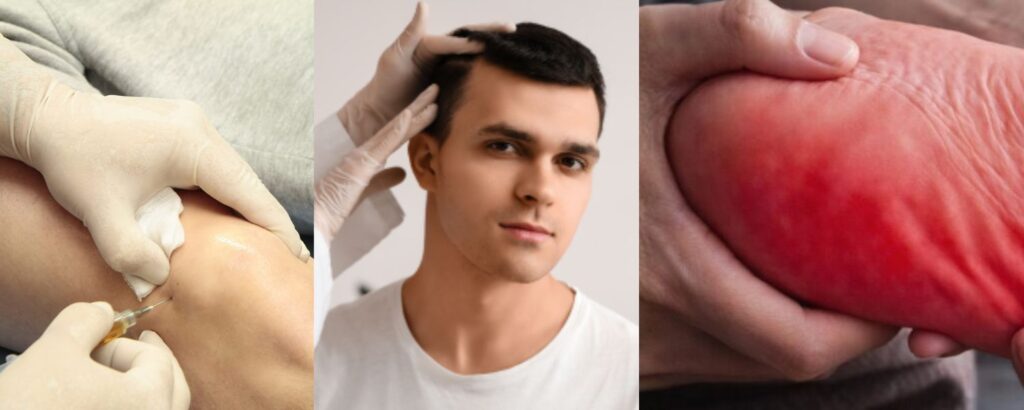
The success of shoulder treatments has paved the way for using cellular therapy in other parts of the body. The versatility of stem cells makes them a “holy grail” for various chronic conditions.
Stem Cell Therapy for Knees
Perhaps the most common use of regenerative medicine is stem cell therapy for knees. For those suffering from “bone-on-bone” arthritis, stem cells can help regrow a protective layer of cartilage, delaying or even eliminating the need for a total knee replacement.
Stem Cell Hair Restoration
For individuals experiencing thinning hair, stem cell hair restoration offers a natural alternative to transplants. Stem cells are injected into the scalp to wake up dormant hair follicles and improve blood flow, resulting in thicker, more resilient hair growth.
Stem Cell Treatment for Neuropathy
Neuropathy, nerve damage that causes tingling, numbness, and burning, is notoriously difficult to treat. Stem cell treatment for neuropathy focuses on repairing the myelin sheath (the protective coating of nerves) and reducing the oxidative stress that causes nerve pain.
What to Expect During Your Treatment

One of the biggest draws of stem cell therapy is the convenience. Unlike the months of downtime required for a shoulder replacement, the “recovery” here is remarkably straightforward.
The Procedure Experience
The entire appointment usually takes about two hours. Because of the local anesthesia, you might feel some pressure, but you shouldn’t feel sharp pain. Most patients describe it as being less intense than a dental filling.
Recovery and Aftercare
- The First 48 Hours: You might experience some localized soreness or swelling at the injection site. Ice and rest are your best friends during this window.
- The First 2 Weeks: Patients are usually advised to avoid heavy lifting or high-impact activities. You want to give the “seeds” (the stem cells) time to take root in the “soil” (your shoulder).
- The Long Term: Most patients begin to feel a noticeable difference around the 4-to-6-week mark, with peak benefits occurring at 3 to 6 months.
Conclusion: The Future of Shoulder Pain Treatment
We are entering a new era of medicine where we no longer have to settle for “managing” pain. Stem cell shoulder treatment represents a shift toward true healing. By utilizing the incredible regenerative power already present within your own body, you can address the root cause of your mobility issues and reclaim the activities you love.
Whether you are an athlete looking to get back in the game or a grandparent who just wants to pick up their grandchild without a wince of pain, cellular therapy offers a path forward. The future of orthopedics isn’t just about hardware and scalpels; it’s about biology and rejuvenation.
Ready to take the next step? If you are tired of living with shoulder pain, consult with a specialist in regenerative medicine. A thorough evaluation can determine if you are a candidate for stem cell therapy, putting you on the fast track to a more mobile, pain-free life.
FAQs About Stem Cell Shoulder Treatment
Q. Is stem cell shoulder treatment safe?
A. Yes. When using your own cells (autologous), the risk of allergic reaction or rejection is virtually zero. Because it is a needle-based procedure, the risk of infection is significantly lower than that of open surgery.
Q. How long does it take to see results?
A. Regeneration is a biological process, not a mechanical one. While some feel relief within a week due to the anti-inflammatory effect, the structural repair typically takes 6 to 12 weeks to become noticeable.
Q. Can stem cell treatment help with rotator cuff injuries?
A. Absolutely. It is particularly effective for partial tears and “tendinosis” (chronic wear). For full-thickness tears where the tendon has completely retracted, surgery may still be necessary, but stem cells can be used during surgery to speed up healing.
Q. How many sessions are required?
A. For many, a single high-concentration injection is enough. However, depending on the severity of the degeneration, some patients may benefit from a booster or a series of Platelet-Rich Plasma (PRP) injections to support the stem cells.
Q. What are the side effects?
A. The most common side effects are temporary: mild swelling, stiffness, or bruising at the site of the injection or harvest. These typically resolve within a few days.