For decades, the world of medicine relied primarily on two pillars: surgery and pharmacology (drugs). If you were sick, a doctor either cut the problem out or gave you a chemical compound to alter your body’s functions. While these methods saved billions of lives, they often treated the symptoms rather than the root cause, sometimes coming with heavy side effects.
Today, we are witnessing the rise of a third pillar one that is arguably the most exciting development in the history of healthcare: Cellular Therapy.
Instead of using synthetic chemicals, cellular therapy uses living cells as “living drugs” to restore, replace, or boost the body’s own natural functions. From curing previously untreatable cancers to repairing damaged hearts, this field is not just a medical advancement; it is a medical revolution.
In this blog, we will explore what cellular therapy is, how it works, its incredible applications, and why it represents the future of human health.
What Is Cellular Therapy?
At its simplest level, cellular therapy (also known as cytotherapy) is the transplantation of human cells to replace or repair damaged tissue and cells.
Think of your body as a high-tech machine. Over time, parts wear out, or the system gets attacked by “hackers” like viruses or cancer. Traditional medicine acts like a patch or a temporary fix. Cellular therapy, however, is like installing brand-new, high-performance parts or upgrading the machine’s internal security software to fix the problem from within.
There are two main types of cellular therapy:
- Autologous Therapy: Cells are taken from the patient’s own body, treated or engineered in a lab, and then put back into the same patient. This minimizes the risk of the body rejecting the treatment.
- Allogeneic Therapy: Cells are harvested from a healthy donor and given to the patient. This allows for “off-the-shelf” treatments that can be used immediately.
Whether it involves regenerative cell therapy to regrow bone or immune system therapies to fight tumors, the core idea remains the same: using the power of biology to heal biology.
How Cellular Therapy Works
The process of cellular therapy is a marvel of modern science. While every treatment is unique, most follow a similar journey:
Step 1: Collection
The process begins by harvesting cells. This could be stem cells from bone marrow, T-cells (immune cells) from the blood, or even skin cells.
Step 2: Processing and Engineering
Once the cells are collected, they are sent to a specialized laboratory. This is where the magic of advanced cellular therapy happens. In some cases, scientists use genetic engineering (like CRISPR) to “reprogram” the cells. For example, in CAR-T cell therapy, a patient’s T-cells are modified to recognize and attack specific cancer markers.
Step 3: Expansion
One cell isn’t enough to cure a disease. In the lab, these “super-cells” are grown in large quantities sometimes billions of them until there are enough to therapeutic effect.
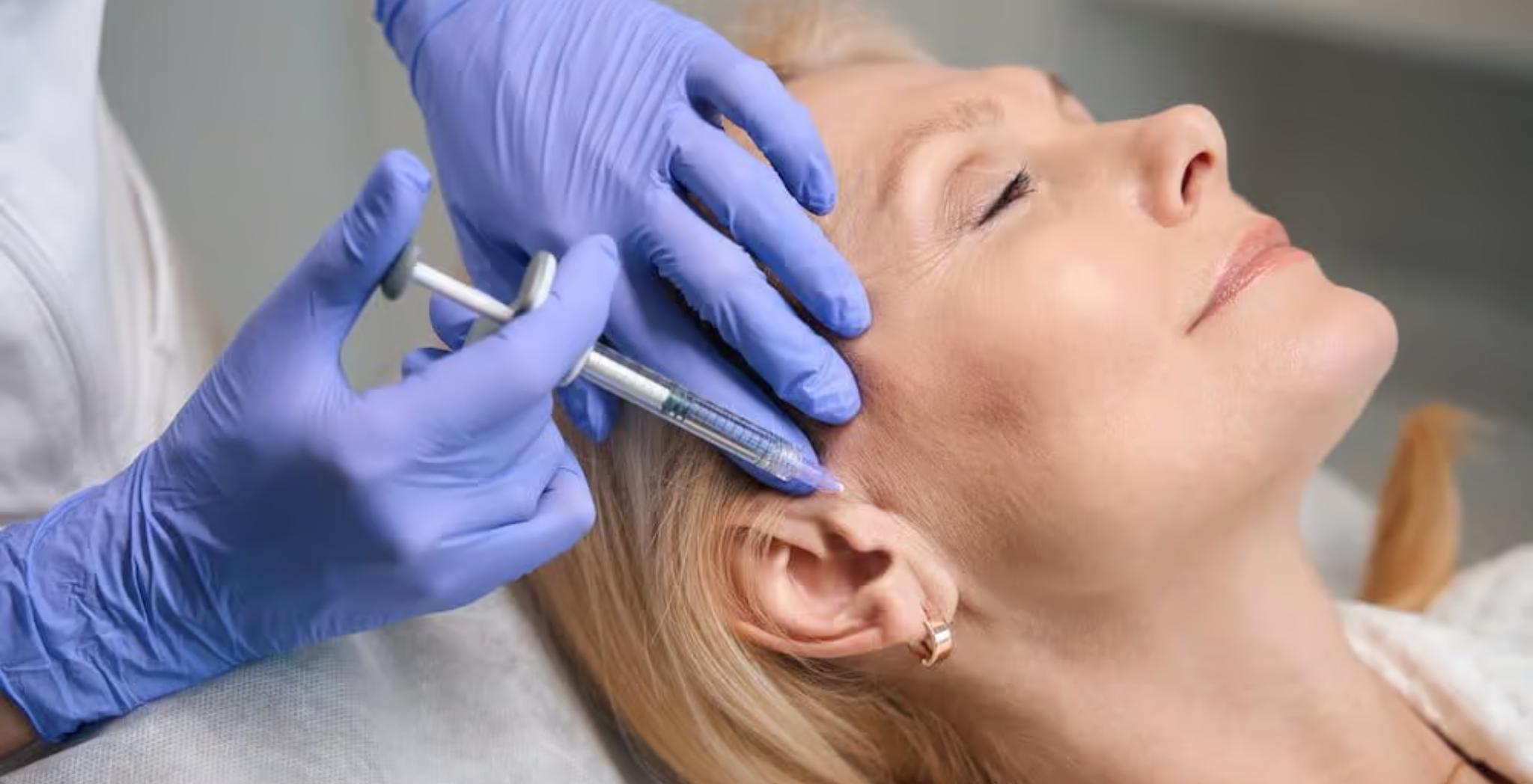
Step 4: Re-infusion
The final step is injecting the cells back into the patient. Once inside, these cells act like a targeted strike team. They migrate to the area of need, begin repairing tissue, or start hunting down diseased cells.
Applications of Cellular Therapy
The versatility of therapeutic cell treatments is what makes them so revolutionary. They are being applied across almost every branch of medicine.
Cancer Treatment (Immunotherapy)
This is perhaps the most famous application. Treatments like CAR-T therapy have turned the tide for patients with leukemia and lymphoma. Instead of poisoning the whole body with chemotherapy, doctors train the patient’s immune system to identify cancer as an enemy and destroy it.
Regenerative Medicine
Regenerative medicine therapy focuses on healing tissues that the body cannot fix on its own. For example, stem cell therapy is being used to help patients with spinal cord injuries regain mobility by regenerating nerve cells.
Orthopedics and Sports Medicine
Many people are familiar with platelet-rich plasma therapy (PRP therapy). Used by elite athletes like Tiger Woods and Rafael Nadal, PRP uses a concentrated dose of the patient’s own platelets to accelerate the healing of tendons and joints. Similarly, stem cell healing options are helping people avoid invasive knee or hip surgeries.
Chronic Diseases
Researchers are currently using cellular therapy to treat Type 1 Diabetes by replacing insulin-producing cells in the pancreas. There is also ongoing work in treating heart disease by “patching” damaged heart muscle with new, healthy cardiac cells.
Advantages Over Traditional Treatments
Why is everyone talking about cell therapy innovations? Because the benefits are often superior to traditional methods.
- Precision: Traditional drugs often affect the whole body (systemic), leading to side effects. Cellular therapy is highly targeted. It goes exactly where it’s needed.
- Long-term Efficacy: Because these are “living drugs,” they can persist in the body for years. In cancer patients, modified immune cells can remain on “patrol,” preventing the cancer from ever coming back.
- Reduced Toxicity: While cellular therapy has its own side effects, it avoids the devastating “carpet-bombing” effect of chemotherapy or the long-term organ damage associated with some chronic medications.
- Treating the Untreatable: For many patients with late-stage cancer or degenerative diseases, cellular therapy is not just a “better” option it is the only option.
Challenges and Limitations
Despite its promise, cellular therapy is not yet a “silver bullet.” There are significant hurdles that the medical community is working to overcome.
- Cost: Currently, these treatments are incredibly expensive. Developing a personalized “batch” of cells for one patient can cost hundreds of thousands of dollars.
- Complexity: The logistics of transporting living cells from a patient to a lab and back again, while keeping them alive and sterile, is a massive challenge.
- Side Effects: While they aren’t the same as chemo side effects, cell therapies can trigger “cytokine release syndrome” an overreaction of the immune system that can be dangerous if not managed properly.
- Regulatory Hurdles: Because this is so new, health authorities like the FDA are still developing the best ways to ensure these treatments are both safe and effective.
The Future: AI and Innovation
The future of cellular therapy is being shaped by two major forces: AI in cellular therapy and the move toward “universal” cells.
Artificial Intelligence
AI is drastically speeding up the development of these treatments. Machine learning algorithms analyzes billions of genetic sequences to predict which cell modifications will be most effective against a specific disease. AI also helps in the manufacturing process, ensuring that the cells grown in the lab are of the highest quality.
Off-the-Shelf Treatments
The next big leap is moving away from personalized (autologous) treatments toward “universal donor” cells. This would allow a doctor to pull a vial of pre-engineered cells off a shelf and treat a patient immediately, significantly lowering costs and saving precious time for critically ill patients.
Conclusion
Cellular therapy is more than just a new trend in the medical journals; it is a fundamental shift in how we perceive healing. We are moving away from a world where we simply manage disease and moving toward a world where we can actually cure it by leveraging the building blocks of life itself.
Whether it is through stem cell healing options for an aging population or advanced cellular therapy for cancer, the potential is limitless. As technology advances and costs decrease, these “living drugs” will become a standard part of healthcare, giving hope to millions of people who previously had none.
The era of the “chemical fix” is evolving into the era of the “cellular fix,” and the results are nothing short of miraculous.
Contact us today to learn how cellular therapy could support your healing journey and help restore your vitality.